
Last updated November 24, 2026
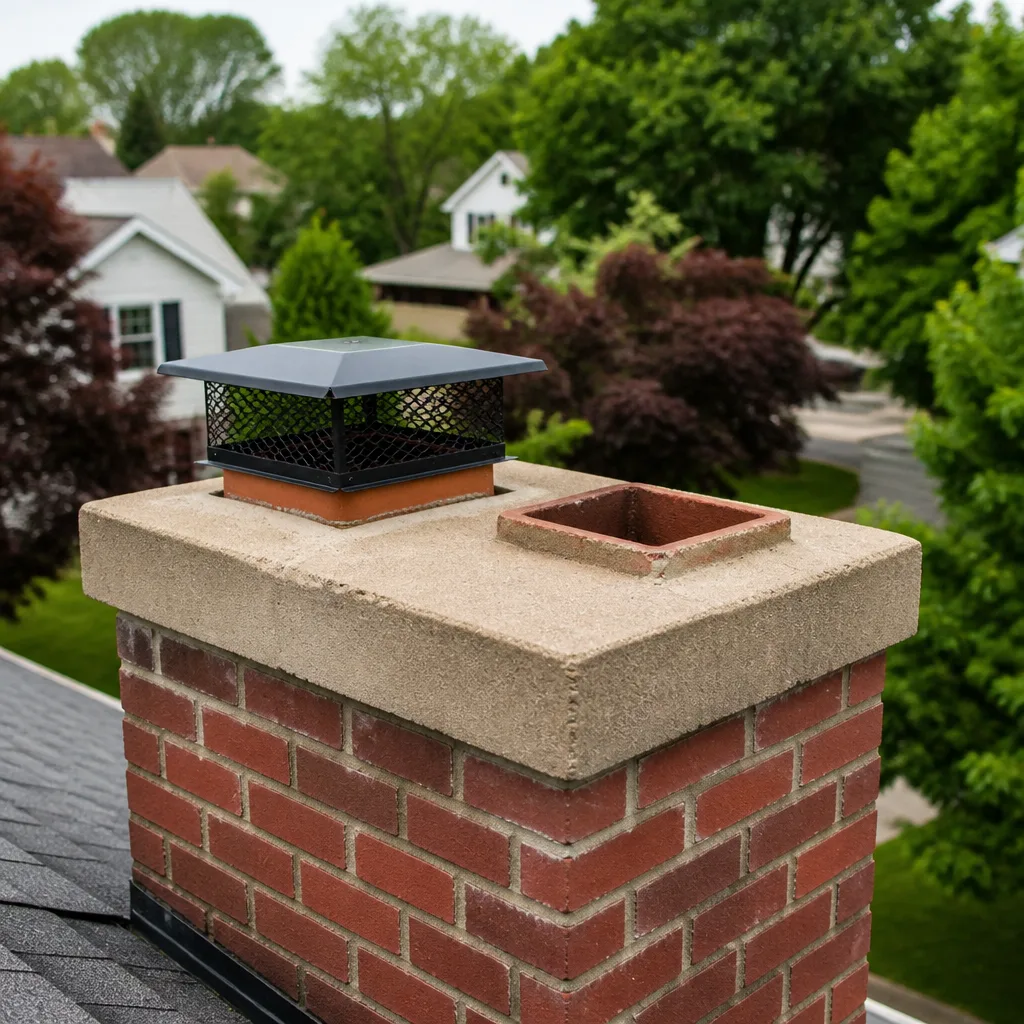 Sweep & inspection
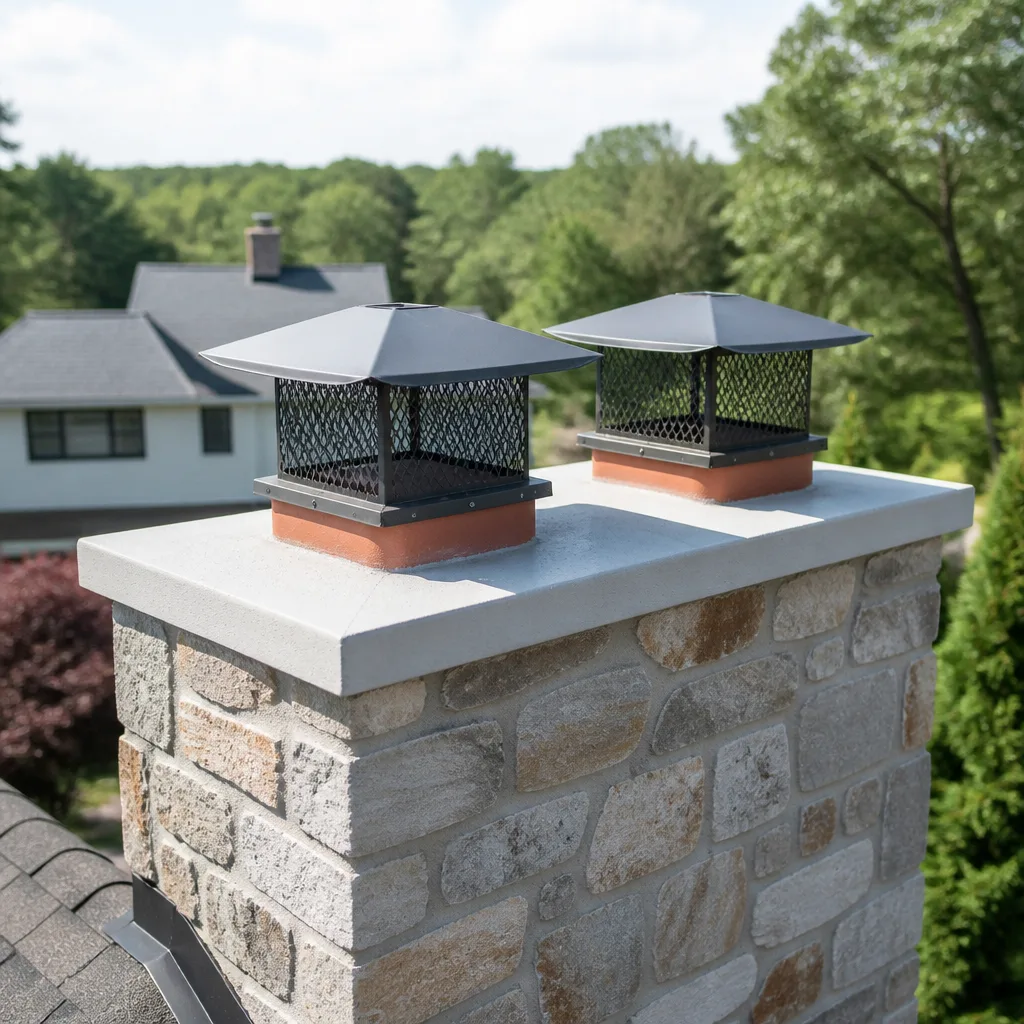 Caps & crowns
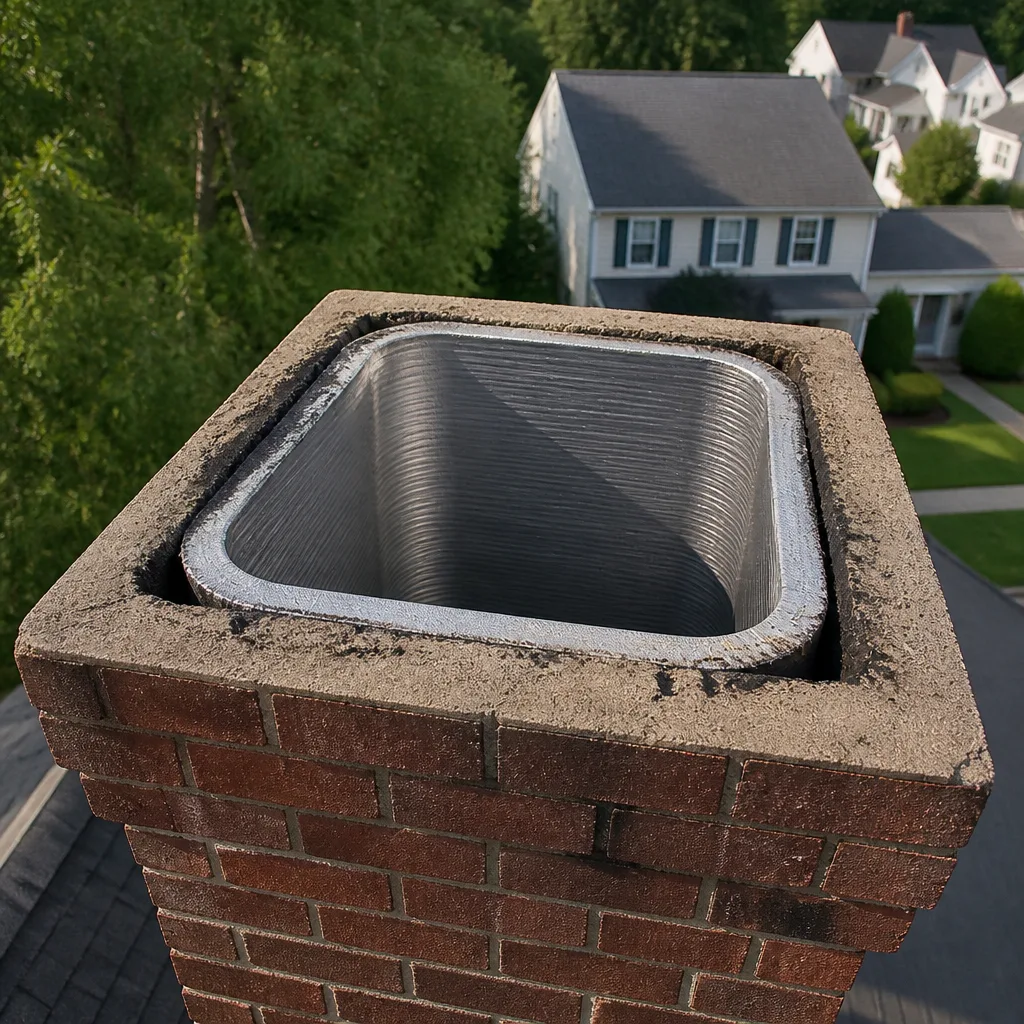 Flue relining
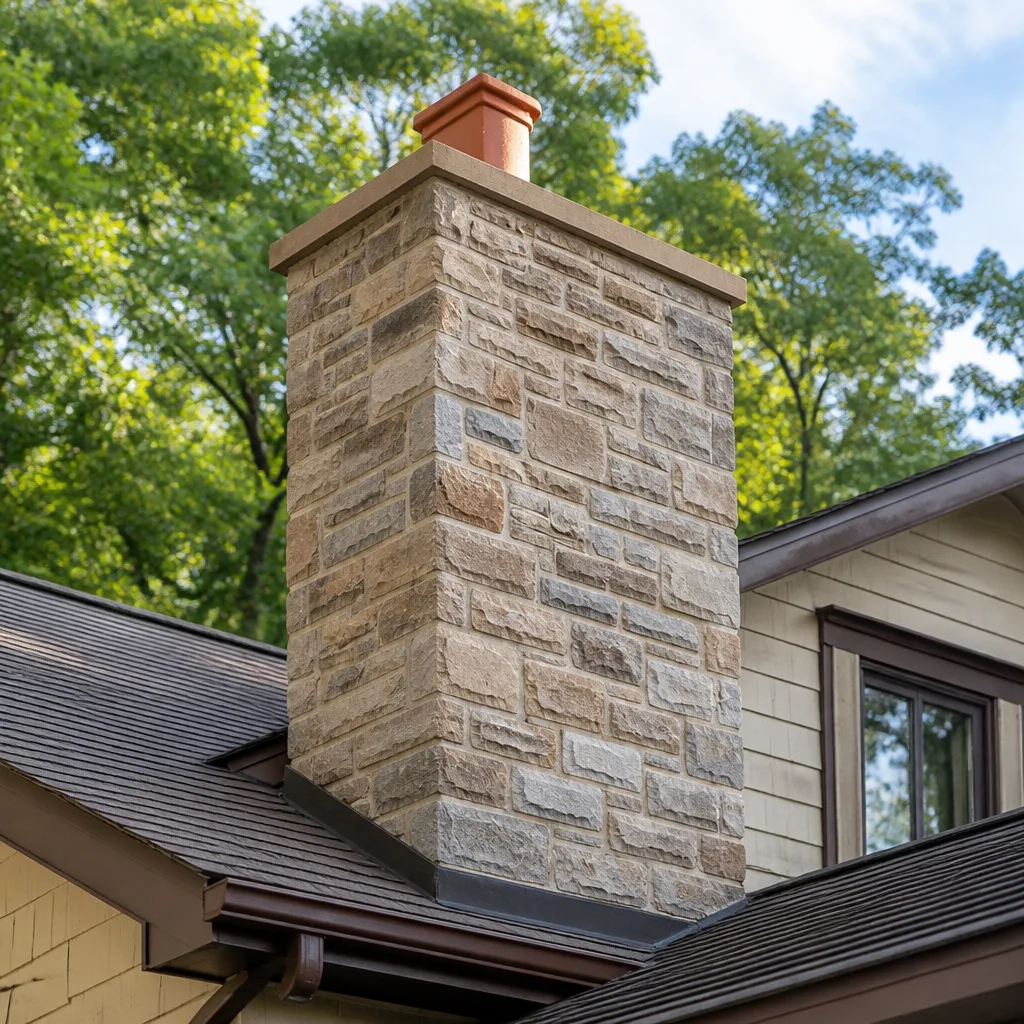 Masonry repair
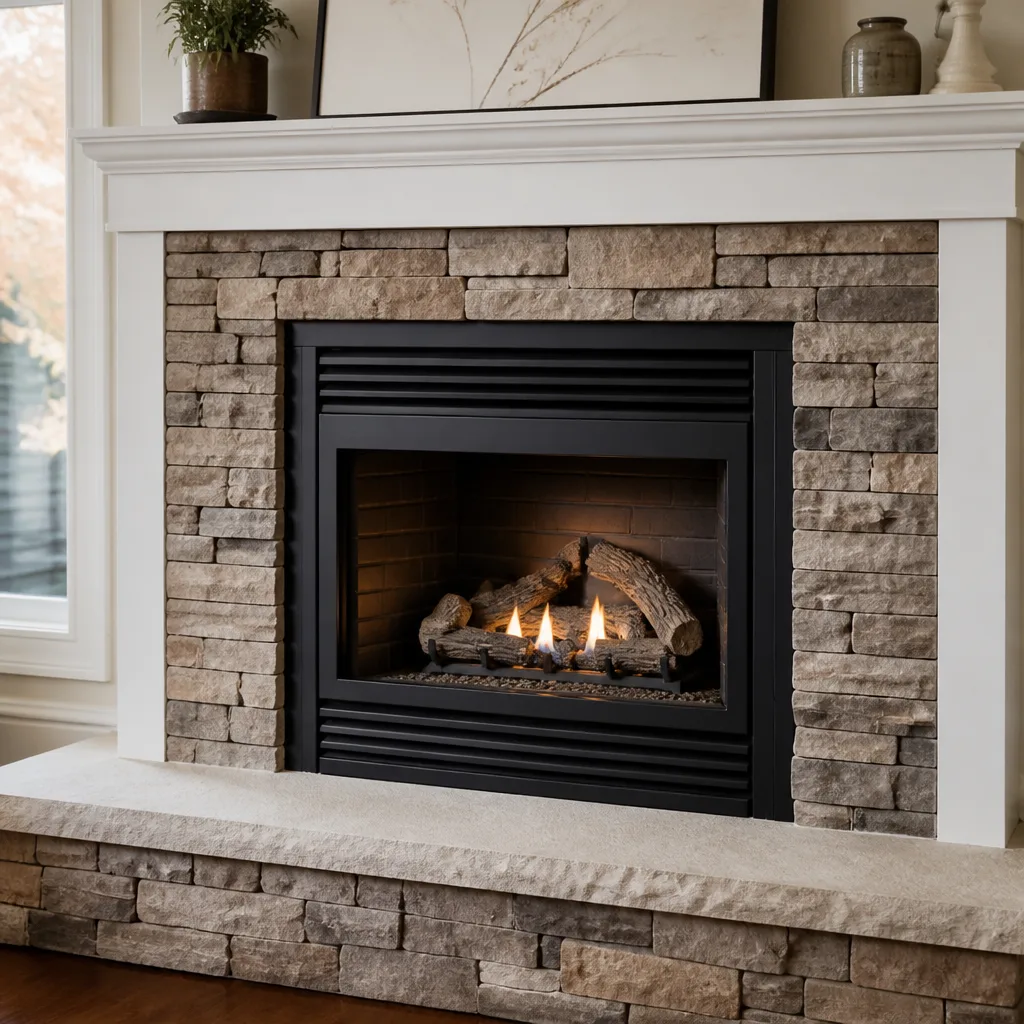 Gas fireplace service
Level 1 sweep and inspection to the NFPA 211 annual standard - flue, crown, cap, and flashing checked and photographed
Chimney sweep logs do not sweep chimneys. They loosen some creosote - which then falls where a brush and vacuum still have to collect it.
Chimney Cleaning Permits, Codes & Inspections in Anaheim Hills, CA: What You Need to Know
Most chimney cleaning in Anaheim Hills needs no permit at all. That’s the part homeowners usually get wrong in the other direction – they assume every visit from a sweep involves paperwork, inspections, and a trip to the city building department. It doesn’t. A routine cleaning is maintenance, and maintenance is exempt. The confusion starts when the work crosses a line most people never see: the moment a technician opens up the flue, resurfaces a liner, rebuilds a crown, or touches the firebox structure. At that point California building code and Orange County rules can apply, and unpermitted structural work can surface years later on a disclosure form and complicate a home sale. This guide draws that line clearly, so you know when you’re booking maintenance and when you’re booking a permitted repair.
Quick Answer
Routine chimney cleaning and sweeping in Anaheim Hills generally requires no permit because it’s classified as maintenance. Structural chimney work – relining, crown reconstruction, firebox repair, or any alteration to the flue system – typically requires a permit under California Building Code Section 2113 and must be coordinated with City of Anaheim building department requirements and Orange County Fire Authority rules. A Level 2 inspection is the standard most often referenced during a California home sale, and it’s the inspection that documents the chimney’s condition for a buyer, a lender, or an insurer.
Styles & brands we work with
- Sweep & inspection
- Caps & crowns
- Flue relining
- Masonry repair
- Gas fireplace service
Table of Contents
- Where Maintenance Ends and Permitted Work Begins
- What California Building Code Section 2113 Actually Says
- How Orange County Fire Authority Rules Interact With City Requirements
- What a Level 2 Inspection Is and When It’s Required
- How to Verify a Contractor Pulled the Right Permit
- Title 24 and Older Anaheim Hills Fireplaces
- Common Mistakes to Avoid
- When to Call a Professional
- Frequently Asked Questions
Where Maintenance Ends and Permitted Work Begins
The cleanest way to think about it: a permit is about changing the chimney, not cleaning it. Sweeping removes creosote and debris from a flue that’s already built. Repairs alter the structure of that flue, and alteration is what the code cares about. If a technician is only removing what accumulated since the last cleaning, you’re in maintenance territory. If a technician is adding material, removing structural material, or restoring a surface that’s supposed to be intact, you’ve crossed into work that may need a permit.
Here’s the practical split we use when a homeowner in Anaheim Hills asks whether their job is permitted work or plain maintenance:
- Maintenance, generally no permit: sweeping the flue, removing creosote and soot, brushing the firebox interior, clearing a blocked cap screen, replacing a damaged cap with a like-for-like unit, and visual inspection.
- Repair or alteration, permit often required: installing a new flue liner or relining an existing flue, resurfacing a deteriorated liner with a cast-in-place product, rebuilding a chimney crown, repairing or replacing firebox masonry, and any work that changes the flue’s dimensions, material, or venting path.
The reason this matters in Anaheim Hills specifically is the housing stock. Many homes here were built in the 1970s and 1980s, and their original clay tile liners have had decades to develop cracks, gaps at the joints, and spalling. A sweep who finds that damage on a routine visit is looking at a repair, not a cleaning, and the repair is where permits and documentation enter the picture. A technician resurfacing that liner with a HeatShield system is restoring it rather than replacing it, which can be the smarter path, but it’s still structural work on the flue. Ask the question before the work starts, not after.
The other half of the split is what the work is protecting you from. A cracked liner lets heat and combustion gases reach the chimney’s framing, and it lets carbon monoxide escape into the house instead of up the flue. A missing or damaged cap lets water and animals into the flue, which is how many of those cracks start. A deteriorated crown lets water sit at the top of the chimney, which is how the crown itself fails. Each of those is a component of one system, and that’s the reason we handle the whole thing – sweep, inspection, chimney cap & crown, chimney repair, and fireplace repair – instead of handing you off between specialists who each see one piece.
What California Building Code Section 2113 Actually Says
California Building Code Section 2113 is the chapter that governs chimneys and vents, and its core requirement is straightforward: a chimney must be constructed, altered, and maintained to vent gases safely and to resist the heat and corrosion it’s exposed to. When you alter a chimney’s construction, the code’s requirements for that construction apply, and that’s why alterations go through the permit process. The code isn’t written to trip up homeowners. It’s written so that the flue you end up with meets the same standard as a newly built one.
In day-to-day terms, here’s what Section 2113 territory looks like on a real Anaheim Hills job:
- Relining. Installing a new stainless liner, such as a DuraFlex flexible liner sized to the appliance, changes the flue’s construction. That’s an alteration.
- Liner resurfacing. A cast-in-place resurfacing product restores the existing flue’s interior surface. It’s a recognized repair method, but it’s still repair of the flue structure.
- Crown and cap work. A crown rebuild alters the top of the chimney. A cap replacement with a manufacturer-grade unit like a Gelco or Famco cap is usually closer to maintenance, but the surrounding flashing and masonry work can push it over the line.
- Firebox repair. Rebuilding firebox masonry or replacing firebox panels is structural repair to the chimney’s base.
What Section 2113 doesn’t require is a permit for cleaning. Nobody needs a sign-off to have soot brushed out of a flue. When we send a technician to Anaheim Hills for a routine sweep, the visit is maintenance from start to finish. When the inspection turns up a liner deficiency, we tell the homeowner plainly that the repair is a different category of work, and we tell them what the local building department will likely expect. Inspect first, repair right – that sequence is what keeps a job clean at resale.
One caveat worth stating: code requirements are adopted and amended at the local level, and the exact scope of what City of Anaheim requires on a given permit can change. The right move is always to confirm with the building department before the work begins. We’d rather have that conversation upfront than discover a problem at an inspection years down the road.
How Orange County Fire Authority Rules Interact With City Requirements
Two authorities touch a chimney project in Anaheim Hills, and they’re asking different questions. The City of Anaheim building department asks whether the construction meets code and issues the permit. The Orange County Fire Authority is concerned with fire and life safety – clearance to combustibles, proper venting, and the conditions that let a chimney fire start or spread. In practice, a permitted chimney repair has to satisfy both: the building department’s construction standards and the fire authority’s safety expectations. They don’t conflict, but they do mean the job has two sets of eyes on it.
What that looks like for a homeowner:
- Clearances matter on inspections. A chimney that was built with proper clearance to framing is one the fire authority and the building inspector can both sign off on. A chimney that was altered by a previous owner without that clearance is a problem you inherit.
- Venting has to match the appliance. If the fireplace or insert was swapped at some point, the flue has to be sized and listed for what’s actually connected to it. That’s a fire authority concern as much as a code concern.
- Documentation helps at resale. A permit record and inspection sign-off are the paper trail that tells a future buyer the work was done correctly. Without it, the buyer’s inspector sees the same thing you do: a chimney of unknown provenance.
We work with Anaheim Hills homeowners on both sides of this. The sweep and inspection visit establishes what’s actually in the chimney. If the answer is “this liner is failing and needs relining,” the repair conversation includes what the city will want to see and what the fire authority’s safety standards require. One contractor handling the full system from the firebox to the crown means the work isn’t passed between trades who each touch a piece and assume someone else verified the rest.
What a Level 2 Inspection Is and When It’s Required
A Level 2 inspection is a more thorough evaluation than the visual check a sweep does on a routine visit. It covers every accessible part of the chimney and venting system, including the attic and crawl spaces where the chimney passes through, and it typically includes a video scan of the flue interior so the technician can actually see the liner’s condition instead of guessing from the firebox. It’s the inspection that tells you what’s behind the masonry.
The NFPA 211 standard is the reference point here, and it describes three inspection levels. Level 1 is a visual check during a routine cleaning. Level 2 is the added scope with the video scan and access to concealed spaces. Level 3 goes further still and is triggered when a hazard is suspected in a concealed area that requires opening up construction to see. For most homeowners, the level that comes up in a real transaction is Level 2.
When a Level 2 inspection is the right call:
- A home sale is in progress. Buyers, their inspectors, and their insurers want documentation of the chimney’s condition. A Level 2 report gives them that in writing, with photos.
- The appliance has changed. A new fireplace insert, a new stove, or a conversion from wood to gas means the venting has to be verified for the new appliance.
- There’s been a chimney fire or a seismic event. Damage from either can be hidden behind the masonry, and a visual check won’t find it.
- The chimney has changed hands or been altered. Anytime the flue’s construction has been modified, a Level 2 inspection establishes the baseline.
- You’re buying a home in Anaheim Hills with an older chimney. The 1970s and 1980s housing stock here is exactly the age where clay tile liners start to show their years.
A word on safety here. The components that fail first in a chimney – the liner, the crown, the clearances to framing – are also the components that make a chimney fire or a carbon monoxide problem possible. A cracked liner isn’t a cosmetic issue; it’s a path for heat and gas to reach places they shouldn’t. That’s why we do a camera inspection and include a photo report as part of the work. You should see the inside of your own flue, not take our word for it. If a technician tells you the liner needs thousands of dollars of work, the photos are how you verify it’s real, and a straight answer about when a repair can safely wait is part of an honest inspection too.
How to Verify a Contractor Pulled the Right Permit
This is the part homeowners most often skip, and it’s the part that protects them at resale. If structural chimney work was done without a permit, that fact can surface years later during a buyer’s inspection or title search, and it turns a closed transaction into an open question. Verifying the permit is a twenty-minute job, and it’s worth doing before the work starts rather than after.
Here’s the sequence we recommend:
- Ask who pulls the permit. On structural work, the licensed professional performing the work is generally the party responsible for pulling it. Get the answer in writing before you book.
- Get the permit number. Once the permit is issued, ask for the number and the address on the record. It should match your home and the scope of work described.
- Confirm with the City of Anaheim building department. A phone call or an online lookup will tell you whether the permit exists, what it covers, and whether the required inspections have been recorded.
- Keep the final inspection record. A permit that was never inspected is only half the story. The final sign-off is the document that proves the work passed.
- Check the contractor’s status. The licensed professional should be licensed and insured as their state requires. You can verify the license status directly with the state before anyone sets foot on the roof.
If you discover that previous work on your chimney was done without a permit, don’t panic. The first step is a Level 2 inspection to find out exactly what was done and whether it was done correctly. Some unpermitted work is sound; the problem is that no one verified it. From there, the conversation is about whether the work needs correction, whether it should be permitted retroactively, and what the building department will accept. We’ve walked Anaheim Hills homeowners through that sequence, and it’s easier to resolve when you have a clear picture of the chimney’s actual condition than when you’re guessing at what’s behind the wall.
Title 24 and Older Anaheim Hills Fireplaces
California’s Title 24 energy code governs how a home’s systems perform, and fireplaces and dampers fall within its scope. For Anaheim Hills homes built before 1990, the practical implication is that the fireplace and its damper were designed and installed under the standards in effect at the time of construction. When that fireplace is later altered – a new insert, a changed damper, a conversion – the work has to be evaluated against current requirements rather than the ones the house was built to.
Why this matters to a homeowner who isn’t remodeling:
- Dampers and energy loss. An open or failing damper lets conditioned air escape up the flue when the fireplace isn’t in use. On an older Anaheim Hills home, that’s an energy question as much as a chimney question.
- Alterations trigger current standards. Replacing a damper or installing an insert changes the assembly, and the replacement has to meet the standard in force when it’s installed.
- Older fireplaces and modern appliances don’t always match. A fireplace built in the 1970s or 1980s may have been vented for a wood fire. Putting a different appliance in that flue requires verifying that the venting is listed for it.
We mention Title 24 because it’s one of the questions homeowners in Anaheim Hills don’t think to ask until a contractor brings it up. The honest answer is that a routine chimney sweep doesn’t touch Title 24. But a repair that changes the damper, the appliance, or the venting does, and the professional doing the work should be able to tell you how the change is evaluated. If you’re unsure which standard applies to your home, the building department is the authority to ask.
How a Typical Anaheim Hills Chimney Project Actually Runs
Because so many of the questions here are about sequence, it helps to lay out how a project moves from first call to final inspection. Every chimney is different, but the general shape of the work is consistent.
It starts with a sweep and an inspection. The cleaning removes what’s accumulated in the flue. The inspection is where the real information comes from: the liner’s condition, the crown and cap, the firebox and damper, and the clearances where the chimney passes through the structure. A camera scan and a photo report are part of that, so you can see the deficiencies yourself. On a well-maintained Anaheim Hills chimney, that’s often the end of it. On an older one, the inspection may find a liner that’s cracked, a crown that’s failed, or a cap that’s gone missing.
If the inspection finds a deficiency, the next step is a written scope of work. That’s where you find out whether the repair is maintenance-scale or structural, and whether a permit is part of the job. Structural repair – relining, crown work, firebox work – gets a permit and an inspection sequence; the local professional performing that work is the party who pulls it. The repair itself uses professional-grade materials matched to the deficiency. A failing liner can sometimes be resurfaced with a HeatShield system rather than replaced outright, which is a repair path that saves the cost of a full reline when the liner’s condition allows it. When a full reline is the right answer, a DuraFlex liner sized to the appliance is what goes in. Cap and crown work uses manufacturer-grade components, so the top of the chimney is finished with the same quality as the rest of the system.
What we’ve seen repeatedly in Anaheim Hills is the value of doing this as one sequence rather than three separate visits from three separate trades. A sweep who only sweeps can’t tell you what the liner needs. A liner contractor who only lines can’t tell you the crown is failing. A roofer who caps a chimney can’t tell you the flue is undersized for the appliance. One contractor across every component means the inspection, the permit question, the repair, and the final inspection are all tracked together.
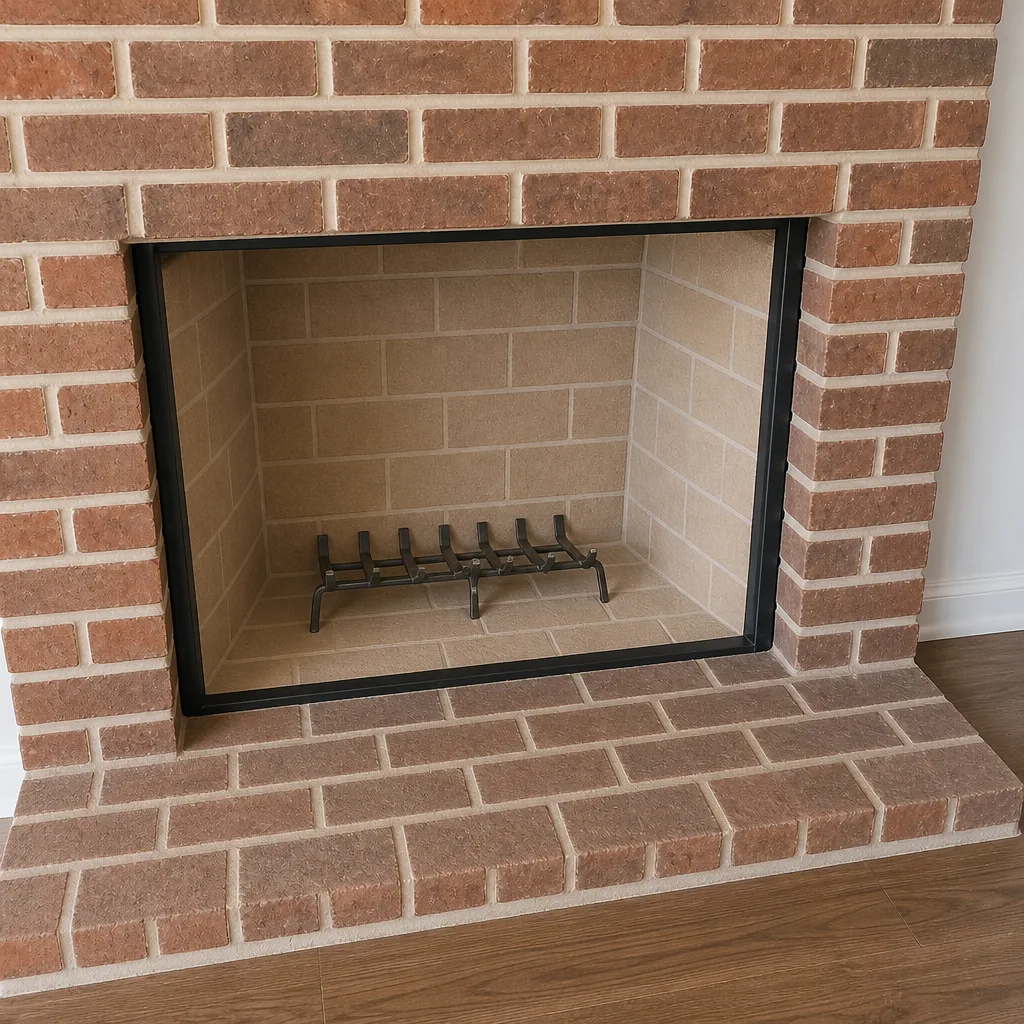
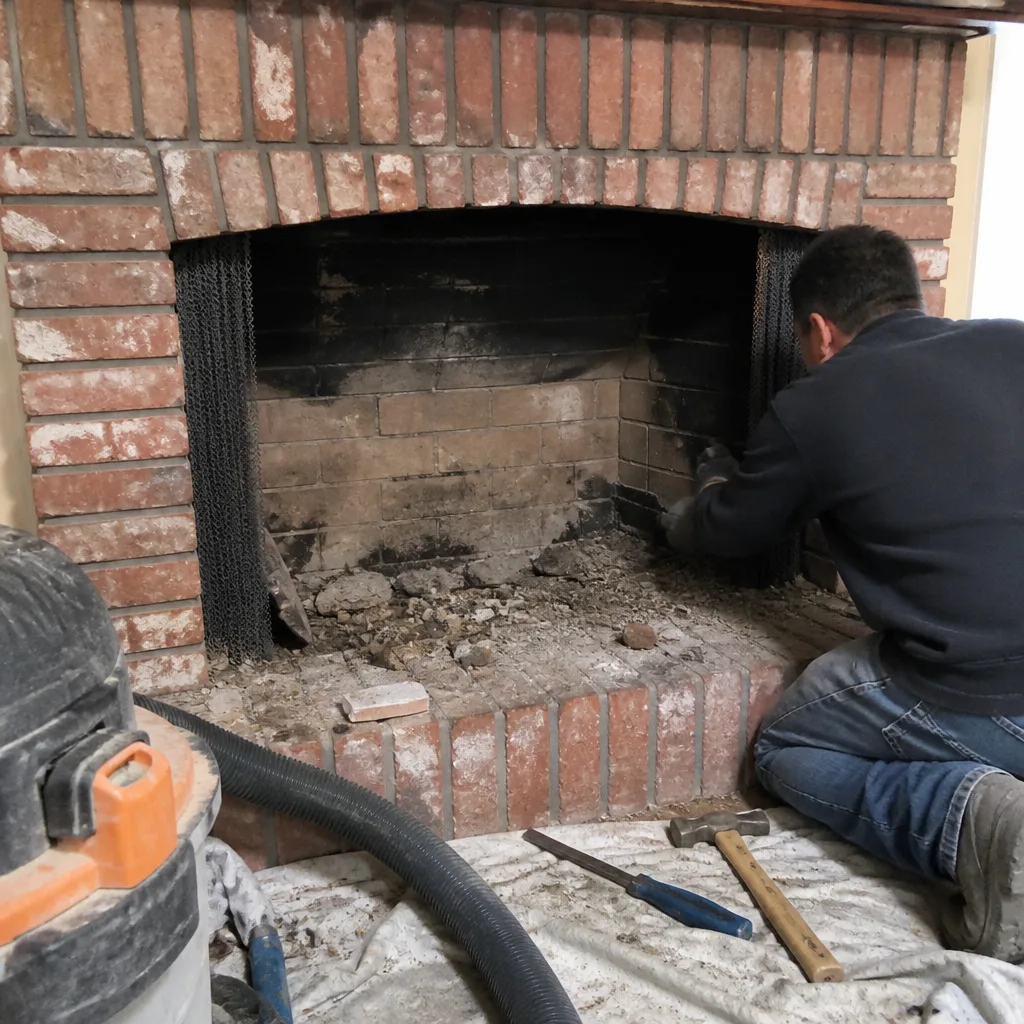
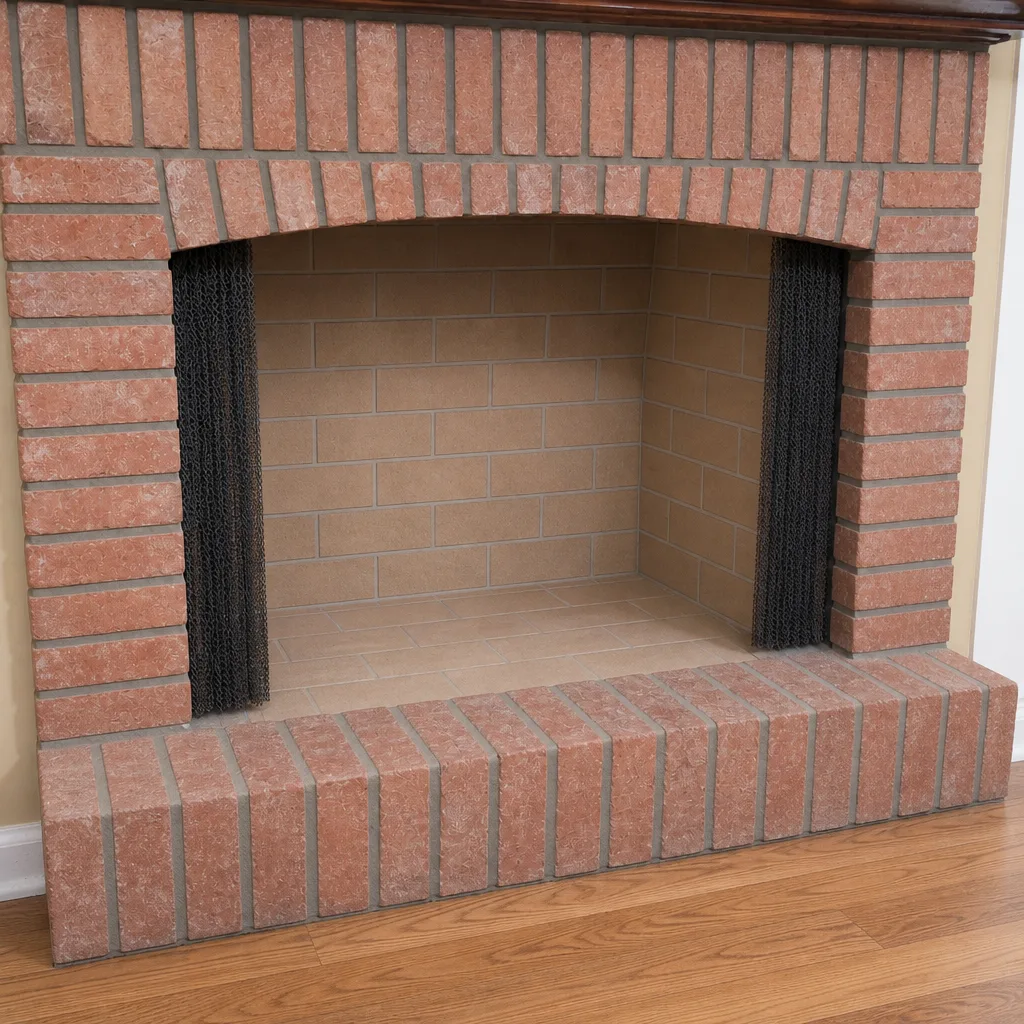
See the difference
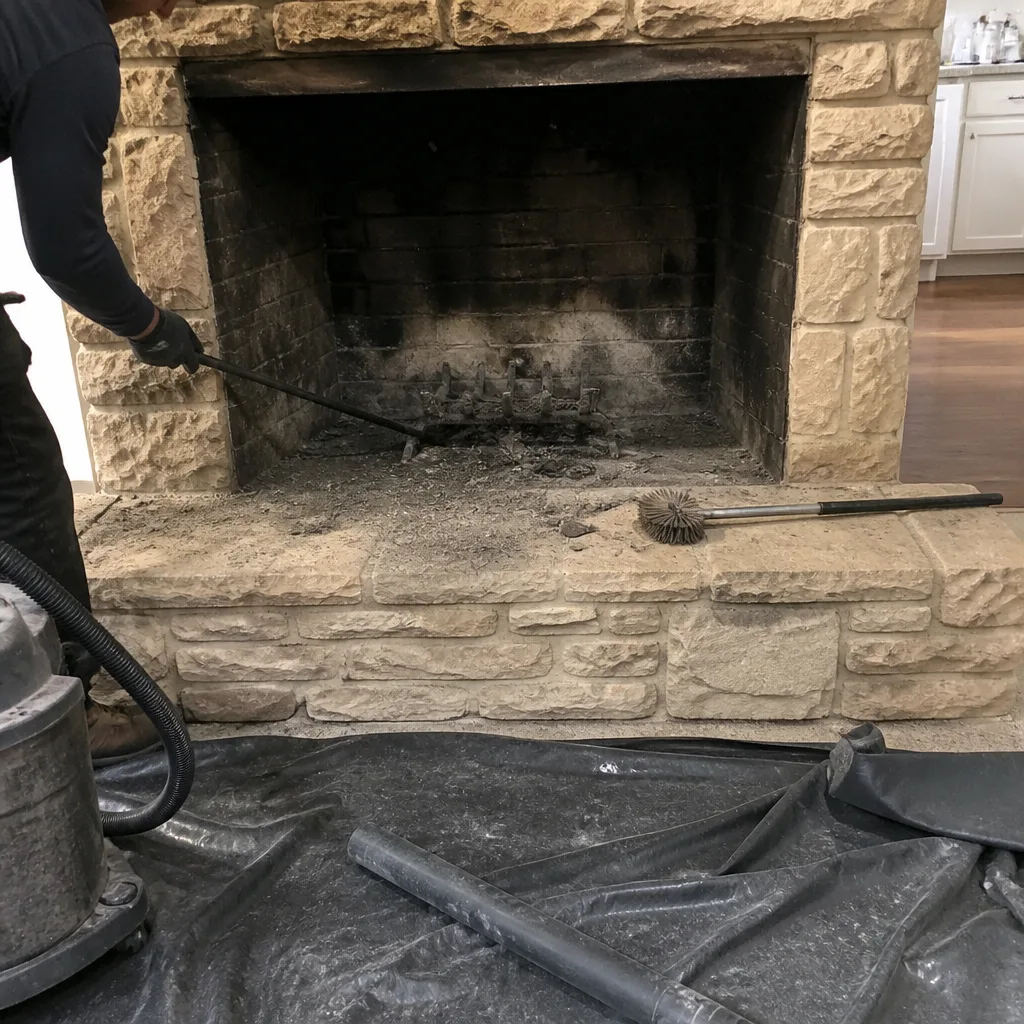 Before
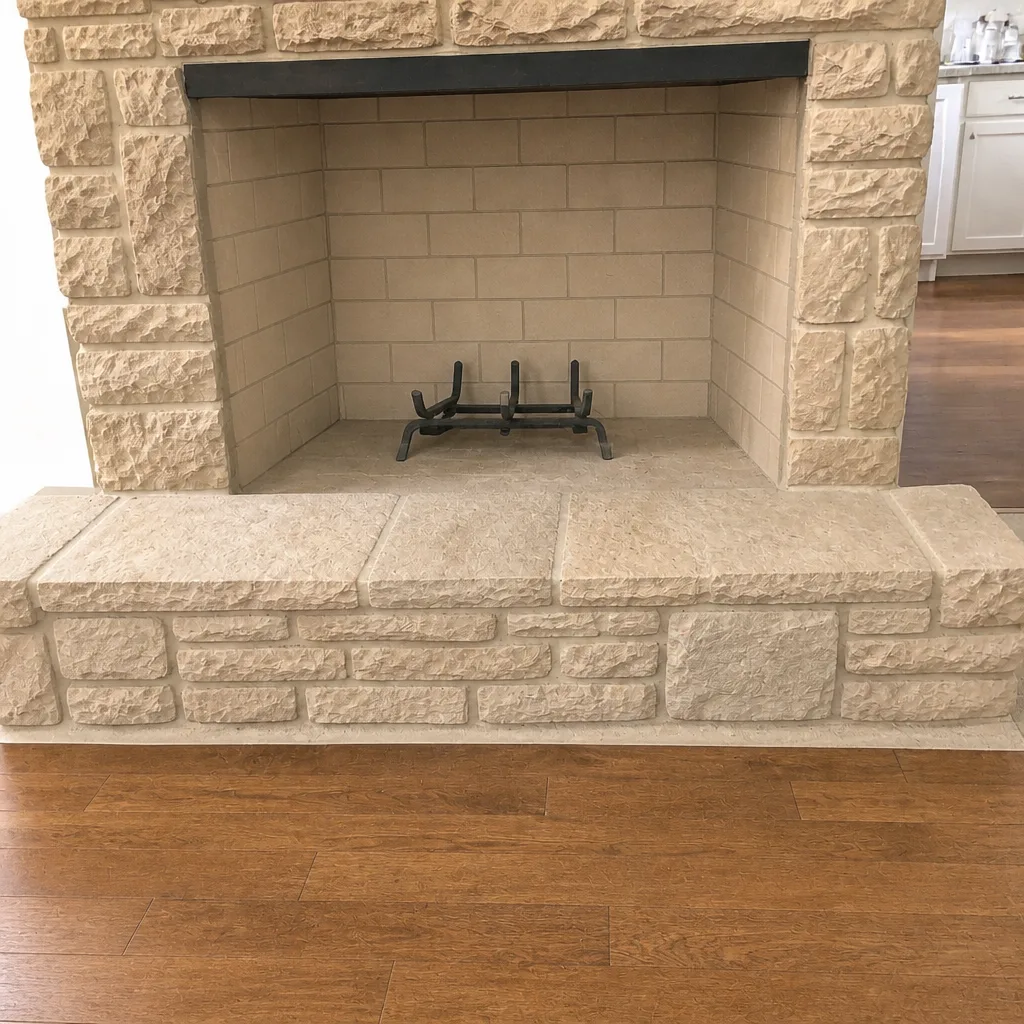 After
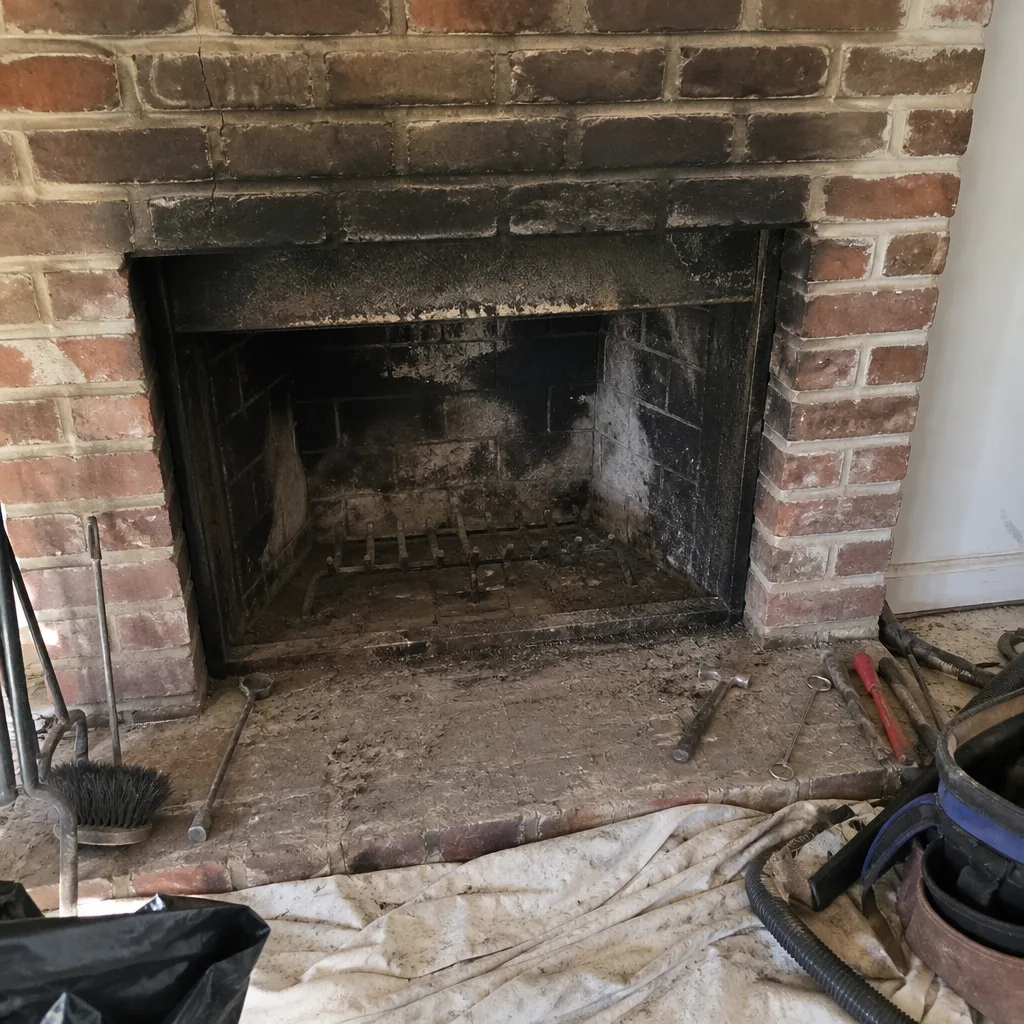 Before
 After
 Before
 After
Common Mistakes to Avoid
- Assuming a sweep needs no permit and a repair needs none either. Cleaning is maintenance. Relining a flue is an alteration. Treating them as the same category is how unpermitted structural work ends up on a disclosure form.
- Letting unpermitted work pass at a home sale. If the seller’s chimney was altered without a permit, the buyer inherits the problem. A Level 2 inspection before closing is how you find out while you still have leverage.
- Replacing a cap with a hardware-store cover. A generic cap is not the same as a manufacturer-grade unit sized to the flue. The cap is the first line of defense against water and animals, and a loose or undersized cover lets both in.
- Skipping the camera inspection. A visual check from the firebox can’t see a cracked liner behind the damper. The video scan is what turns a guess into evidence, and you should see the photos before agreeing to any repair.
- Assuming a HeatShield resurfacing is always the right call, or never the right call. Resurfacing restores a liner whose condition allows it and saves the cost of a full replacement. A liner too far gone needs relining. The inspection decides which, not the sales pitch.
- Ignoring Title 24 on a pre-1990 fireplace alteration. Changing the damper or the appliance on an older Anaheim Hills home means the work is evaluated against current standards. That’s a question to settle before the work starts.
- Paying thousands for a repair you can’t verify. Nothing should be recommended without camera evidence you can look at. If a contractor won’t show you the photos, that’s the mistake, and it’s an expensive one.
When to Call a Professional
Call a professional when the question moves past routine cleaning. If your flue hasn’t been swept and creosote has had a season to build up, a sweep is the place to start. If the firebox is smoky, the damper sticks or won’t close, the crown is crumbling, the cap is missing or loose, or you’re seeing water stains around the chimney, you’re past a cleaning and into inspection and repair. Before a home sale, a Level 2 inspection gives you and the buyer the same documented picture. After a chimney fire, after a seismic event, or when a previous owner’s work is undocumented, an inspection is how you find out what you actually have. A carbon monoxide detector that triggers near a fireplace is a reason to stop using it and call, not a reason to run the detector past its limit.
Chimney Sweep Anaheim Hills offers free estimates in Anaheim Hills – call (833) 468-5933. Our technicians have up to 11 years of experience, and every visit includes a camera inspection and photo report so you can see the condition of your chimney for yourself.
Frequently Asked Questions
No. Routine chimney cleaning in Anaheim Hills is classified as maintenance and doesn’t require a permit. A permit becomes relevant when the work changes or repairs the structure of the chimney – relining, crown reconstruction, firebox repair – rather than removing what’s accumulated in the flue. If a sweep tells you the liner needs work, ask whether that work is a permitted repair before you book it.
In most cases, yes. Installing a new flue liner or altering the flue’s construction is treated as an alteration under California Building Code Section 2113, and alterations go through the permit process with the City of Anaheim building department. The specific requirements can vary, so the licensed professional performing the work should confirm with the building department before starting. Call (833) 468-5933 for a free estimate and a straight answer about what a reline involves.
A Level 2 inspection is the standard most often called for in a California home sale, and it’s the right inspection after a chimney fire, after a seismic event, when the appliance has changed, or when the flue’s construction has been altered. It covers accessible concealed spaces and includes a video scan of the flue. For an Anaheim Hills home with a 1970s or 1980s chimney, it’s the inspection that tells you what the clay tile liner has been hiding.
Start with a Level 2 inspection to establish what was actually done and whether it was done correctly. Then check with the City of Anaheim building department for permit records at your address. If the work isn’t recorded, the building department can tell you what it will accept going forward. A chimney of unknown provenance is a resale problem, and it’s cheaper to resolve before a sale than during one.
Pricing is set per job by a written estimate, and the estimate is free. A proper inspection includes a visual evaluation of the accessible chimney and venting system, a camera scan of the flue, and a photo report you can review yourself. If a technician recommends repairs, the photos are the evidence behind the recommendation, and any work that can safely wait should be identified as such.
Title 24 applies when a fireplace or damper is altered or replaced, and the work is evaluated against the standards in force at the time of the alteration. On a pre-1990 Anaheim Hills home, that means a new damper or a changed appliance is measured against current requirements rather than the ones the house was built to. A routine sweep doesn’t trigger Title 24. Call (833) 468-5933 to talk through what your specific project involves.
The Bottom Line
The line between maintenance and permitted work is the most useful thing to understand about chimney care in Anaheim Hills. Cleaning needs no permit. Relining, crown work, and firebox repair are alterations, and alterations go through the City of Anaheim building department with the fire authority’s safety standards in view. A Level 2 inspection is how you document the chimney before a sale, after a fire, or whenever the work history is unclear. Verifying the permit, keeping the final inspection record, and asking how Title 24 applies to an older fireplace are the steps that keep a job clean at resale. Inspect first, repair right, and see the photos before you agree to anything.
If you’re not sure which category your chimney falls into, the fastest way to find out is a sweep and an inspection. Call (833) 468-5933 for a free estimate. We answer 24/7, with fast dispatch from 7am to 7pm, Sunday through Friday. Full-system chimney care from the firebox to the crown, backed by professional-grade materials like DuraFlex, HeatShield, and Olympia Chimney.
Written by the team at Chimney Sweep Anaheim Hills.