
Last updated November 24, 2026
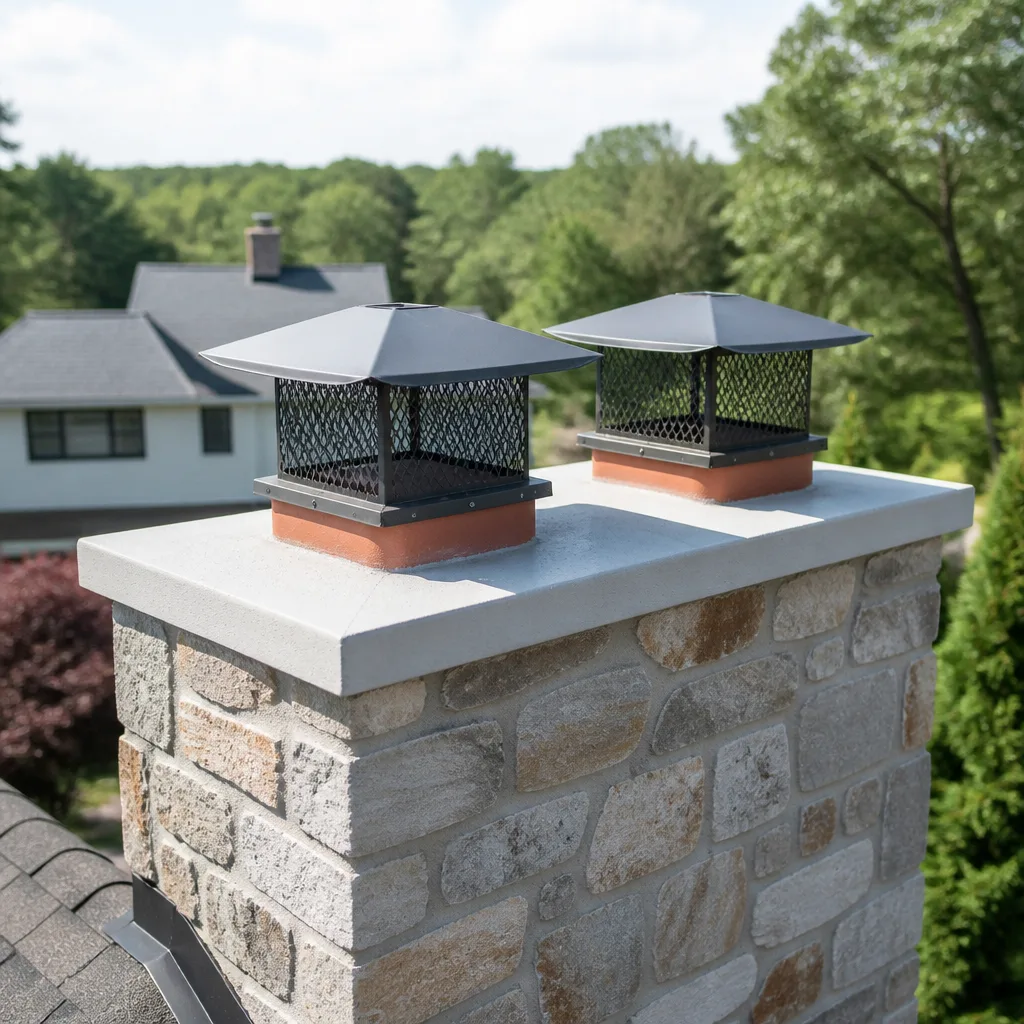
 Sweep & inspection
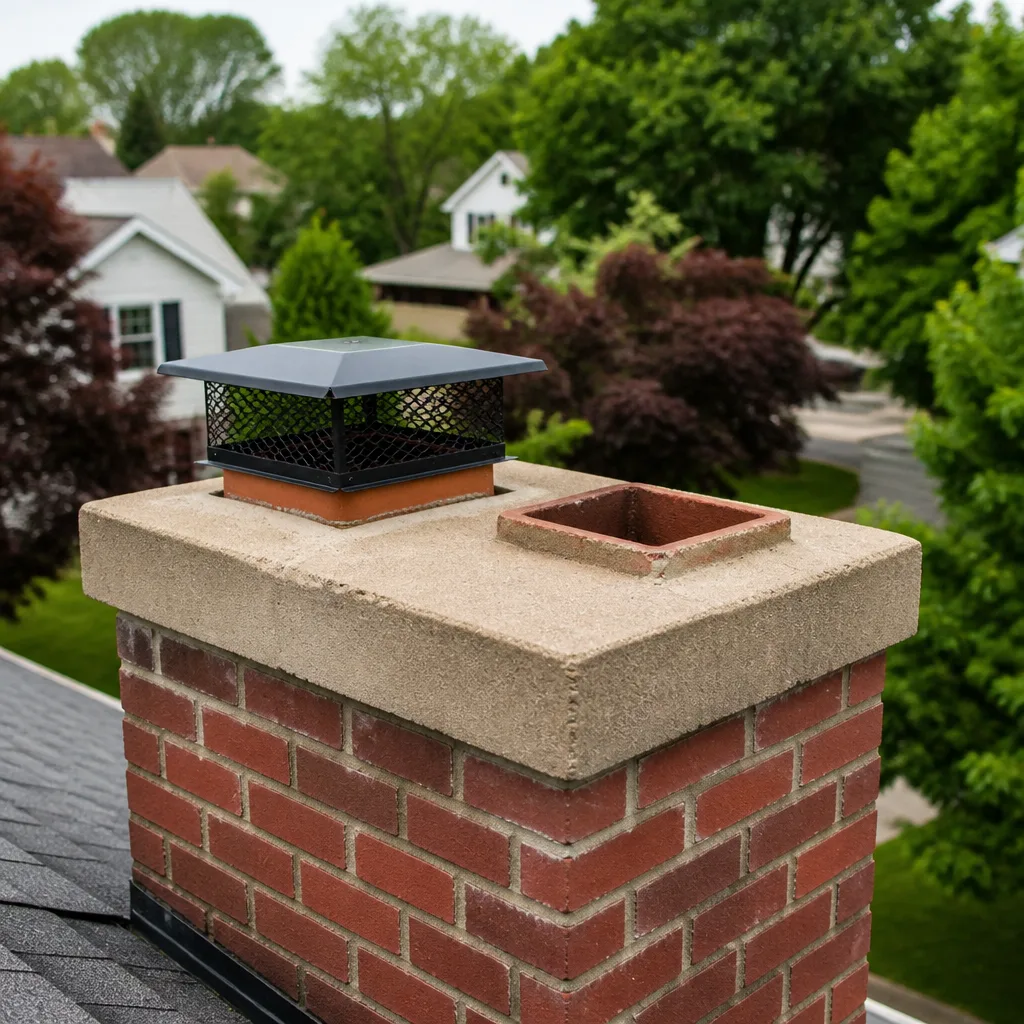
 Caps & crowns
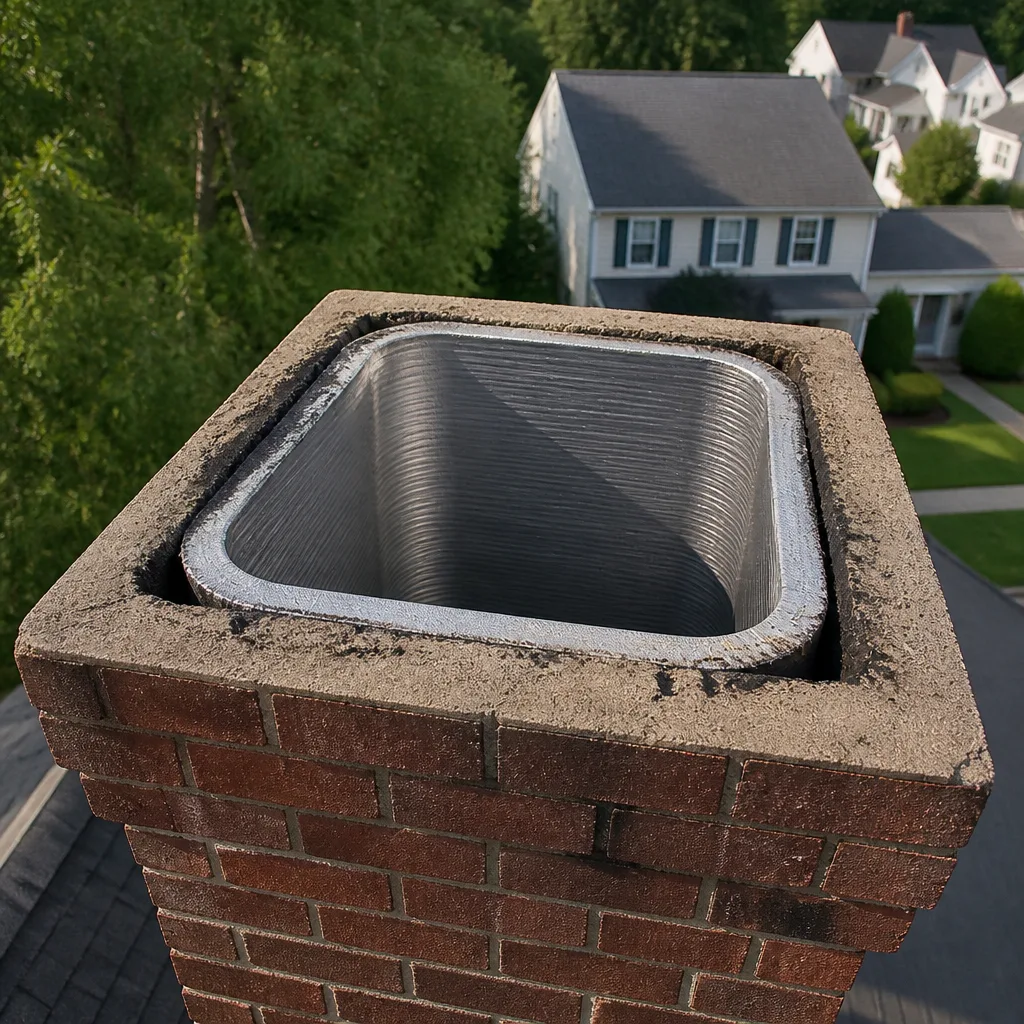 Flue relining
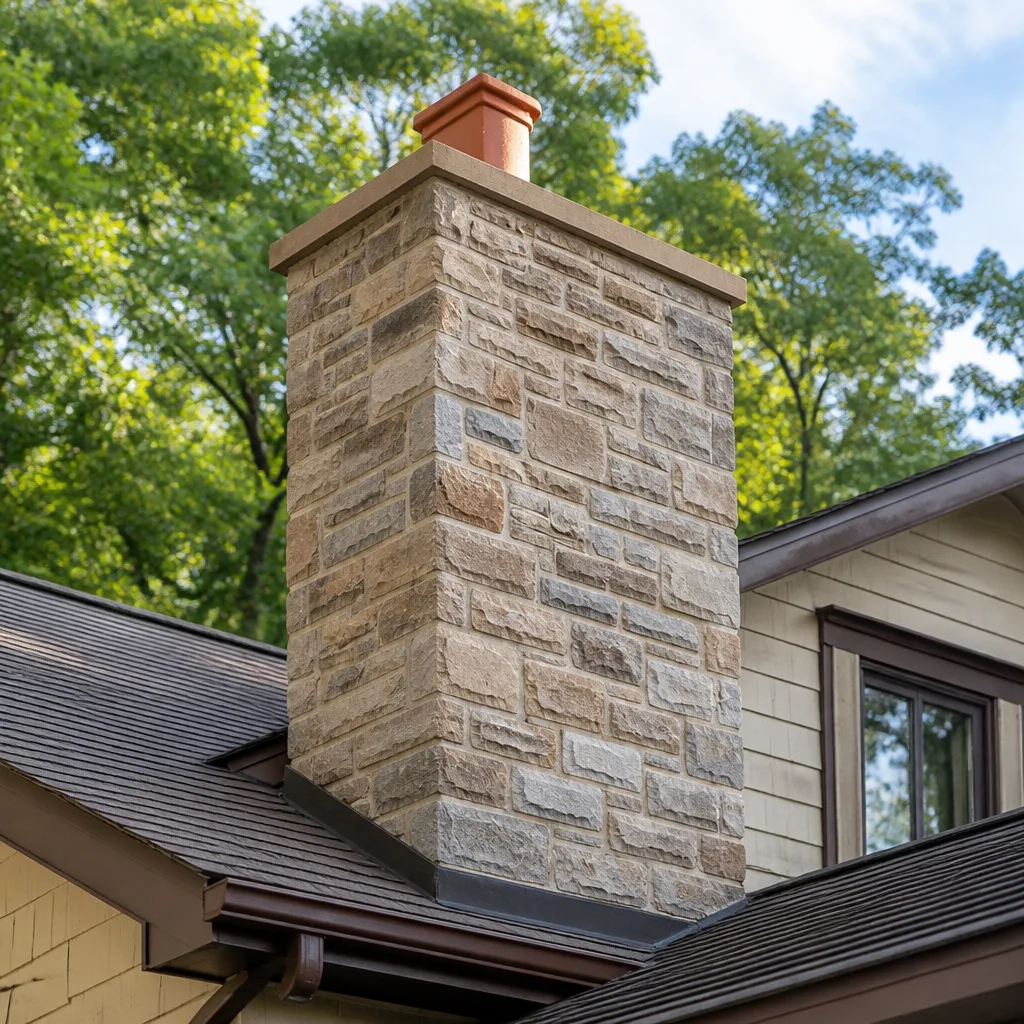 Masonry repair
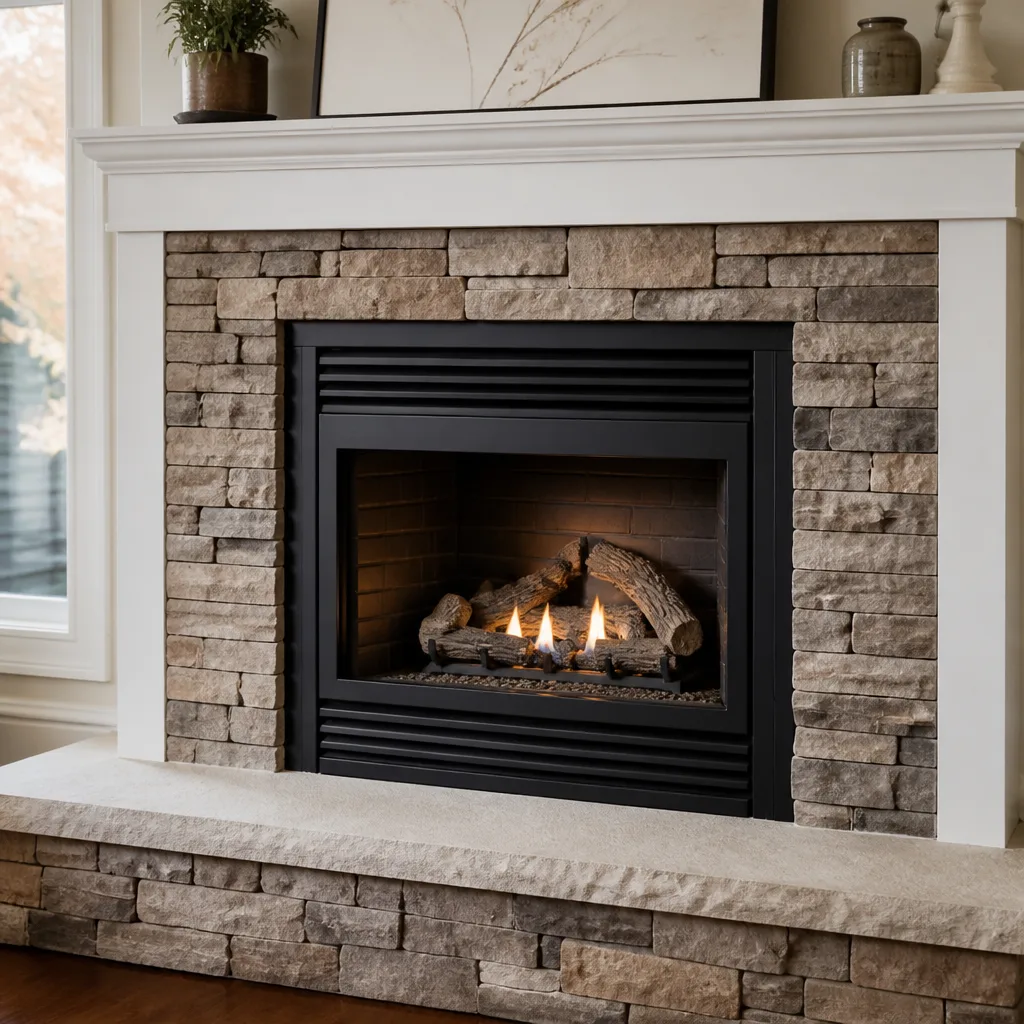 Gas fireplace service
Level 1 sweep and inspection to the NFPA 211 annual standard - flue, crown, cap, and flashing checked and photographed
Chimney sweep logs do not sweep chimneys. They loosen some creosote - which then falls where a brush and vacuum still have to collect it.
DIY vs Professional Chimney Cleaning: The Anaheim Hills Homeowner’s Decision Guide
You can buy the same chimney brush a professional uses. You cannot buy a video scanning system, a liner integrity assessment, or a CSIA credential on Amazon – and that’s where the real difference lives. Most Anaheim Hills homeowners who ask about DIY chimney cleaning are really asking a sharper question: can I do this safely and correctly, or am I about to miss something that matters? The honest answer is that a capable homeowner can handle a narrow slice of chimney maintenance, but that slice is much smaller than it looks, and the inspection that should ride alongside every cleaning is the part DIY can’t touch. This guide draws the technical boundary for you: what you can legitimately do yourself, the four scenarios where you shouldn’t, and a decision tree that points you clearly toward DIY-feasible or professional-required based on your liner, your usage, and your home’s inspection history.
Quick Answer
DIY chimney cleaning can legitimately remove light Stage 1 creosote from a fireplace with an accessible, undamaged clay tile liner using a properly sized brush and rods. It cannot assess liner integrity, detect Stage 2 or 3 creosote, or substitute for the Level 2 inspection that catches the safety problems cleaning alone leaves behind. For most Anaheim Hills homes with older liners or regular fireplace use, the cleaning is the easy part – the inspection is why a professional belongs in the loop.
Styles & brands we work with
- Sweep & inspection
- Caps & crowns
- Flue relining
- Masonry repair
- Gas fireplace service
Table of Contents
- What DIY Chimney Cleaning Can Legitimately Accomplish
- The Tools That Separate a Cleaning From an Inspection
- Four Scenarios Where DIY Is Objectively the Wrong Call
- The Real Cost of DIY Done Wrong in Anaheim Hills
- Why California Fire Risk Makes Inspection Non-Negotiable
- A Decision Tree for Anaheim Hills Homeowners
- Creosote Stages: What You Can See and What You Can’t
- Post-Earthquake and Pre-Sale Chimney Considerations
What DIY Chimney Cleaning Can Legitimately Accomplish
DIY chimney cleaning handles one job well: removing light Stage 1 creosote – the sooty, powdery, flaky deposit that builds up on the flue walls of a fireplace that’s burned reasonably dry wood with decent draft. If your flue is a standard clay tile liner, it’s directly accessible from the firebox or the roof, the tiles are visually intact, and the last professional inspection is recent, you’re in the territory where a homeowner with the right brush can make a real difference.
What that job looks like done correctly:
- Confirm the firebox is cold and no fire has burned for at least 24 hours.
- Lay canvas or heavy drop cloths across the hearth and hearth extension, and tape plastic sheeting over the fireplace opening except for the working gap.
- Select a poly brush sized to the flue interior – too small and it glazes the creosote instead of scrubbing; too large and it jams. For most residential clay tile flues, that’s a brush matching the nominal tile dimension, never a wire brush on clay tile, which can score the surface.
- Work from the roof when it’s safely accessible, or from the firebox using flexible rods, keeping the brush in firm contact with the flue walls on every pass – top to bottom, then bottom to top.
- Vacuum the firebox and smoke shelf with a shop vacuum rated for fine ash, and wipe down the firebox floor.
What this accomplishes: it removes the flaky, ignitable soot layer from a flue that was already clean by inspection standards. What it doesn’t accomplish: it tells you nothing about the condition of the tiles behind the creosote, the mortar joints between them, the smoke chamber, or the crown. In Anaheim Hills, where many homes were built in the 1970s and 1980s and have original clay tile liners now several decades old, that gap between “cleaned” and “inspected” is exactly where repairs get deferred until they’re expensive.
The Tools That Separate a Cleaning From an Inspection
The tool gap is what defines the boundary. A homeowner can buy a brush, rods, a drop cloth, and a shop vacuum. A professional brings a camera system, a liner assessment protocol, and a credential that tells you they know what they’re looking at. That difference has a name in the trade: the three levels of chimney inspection.
- Level 1 inspection: a visual check of the readily accessible portions of the chimney – firebox, damper, visible flue, cap, crown – with no tools required to access concealed areas. This is the baseline check that should accompany every cleaning.
- Level 2 inspection: everything in Level 1 plus the accessible attic, crawlspace, and the entire flue via video scanning. Required when a property changes hands, when an appliance or fuel type changes, after an event that may have damaged the chimney, or when a Level 1 turns up a concern.
- Level 3 inspection: the diagnostic step where portions of the chimney or building may need to be opened up to access a specific area of concern. Rare, and never a default.
Video scanning is the piece you can’t replicate. A camera run down the flue shows cracked tiles, failed mortar joints, gaps at the smoke chamber transition, and offset flues that a brush passes right through without noticing. In our experience, that scan is where the genuinely useful findings live – the ones that change what you do next, rather than confirm what you already hoped. It’s also how we decide whether a liner needs the HeatShield resurfacing route or full DuraFlex relining, or whether it’s sound enough to leave alone.
Beyond the camera, a professional brings a creosote stage assessment, a draft measurement, and a knowledge of the components above and below the flue: the chimney cap & crown, the smoke chamber, the damper, and the firebox. Cleaning the flue while ignoring a cracked crown that lets water into the chimney structure isn’t a cleaning – it’s a partial job.
Four Scenarios Where DIY Is Objectively the Wrong Call
These are the cases where the honest professional answer is “put the brush down.” They’re not about difficulty – they’re about consequences.
- Stage 2 or Stage 3 creosote deposits. Stage 2 is a hardened, glazed, tar-like layer that a standard poly brush skips across rather than removes. Stage 3 is the dense, puffy, fuel-rich deposit that poses the highest fire risk. Both require rotary cleaning equipment and, in Stage 3 cases, chemical treatment – a homeowner brush will make it look cleaner without making it safer, which is the worst possible outcome.
- Unknown liner condition. If the liner has never been video-scanned, or the last inspection predates your ownership, you don’t know what’s behind the creosote. Cleaning a flue with a hidden cracked tile or failed mortar joint redistributes debris into areas you can’t see and can dislodge material that was structurally marginal.
- Post-earthquake inspection needs. After a felt earthquake in the Anaheim Hills area, the chimney is one of the structural components most likely to develop hairline cracks in the masonry, separation at the roofline, or a dislodged flue tile. A cleaning does nothing to detect any of that. A Level 2 inspection does.
- Pre-sale Level 2 inspection requirements. When a home changes hands, the buyer’s inspector and often the lender will expect a documented Level 2 inspection. A homeowner’s cleaning log doesn’t satisfy that, and a scan-only-after-cleaning approach misses the deposit evidence a buyer’s inspector is looking for.
There’s a fifth case that belongs in the same bucket: a chimney with any appliance other than an open fireplace connected to it – a wood insert, a freestanding stove, or a gas appliance. Those systems have specific venting requirements, and cleaning without understanding the appliance-to-flue relationship can create a carbon monoxide hazard. That’s a professional-only job.
The Real Cost of DIY Done Wrong in Anaheim Hills
The costly DIY outcome isn’t a ruined brush – it’s a homeowner who cleans the visible creosote off a flue with a cracked tile, sees a clean interior, and concludes the chimney is fine. That surface cleaning masks liner damage. The damage then progresses for a season or two, and the eventual remediation is not a cleaning bill – it’s a relining.
Here’s how the cost picture breaks down, and why the cheaper-looking path often isn’t:
- Professional sweep with Level 1 inspection: the baseline cost of a proper cleaning, and it comes with the assessment that tells you what condition the liner is actually in.
- HeatShield resurfacing: the repair path for a deteriorating but still structurally sound liner. Restores the flue interior without a full liner replacement – the option most sweep-only companies cannot offer.
- DuraFlex full relining: the repair path when the existing liner is beyond resurfacing. A significantly larger job than a sweep, and the one most often reached by deferring a smaller repair.
- Chimney repair and crown work: water intrusion through a failed crown or a missing cap is the most common slow-damage path. A Famco or Gelco cap installed correctly and a crown repaired when it first cracks prevents the masonry damage that eventually reaches the flue.
We don’t quote prices here, because the honest number depends on what the camera finds – and anyone quoting a relining cost before inspecting the flue is guessing. What we can tell you is the pattern we see: the homeowner who cleans annually but never inspects is the one who eventually faces relining, while the homeowner who inspects every few years catches the resurfacing opportunity before it becomes a replacement.
Why California Fire Risk Makes Inspection Non-Negotiable
Anaheim Hills sits in a fire-prone landscape, and chimney fires are one of the residential fire risks most within a homeowner’s control. A chimney fire ignites when accumulated creosote in the flue reaches its ignition temperature – and Stage 2 and Stage 3 deposits are the fuel. The cleaning removes the fuel; the inspection is what tells you whether the flue can contain a fire if one does start. A cracked tile with a gap behind it, a failed mortar joint, or a deteriorated smoke chamber means heat and embers can reach the wood framing around the chimney.
That’s the reason we treat inspection as the load-bearing task and cleaning as the follow-on. The cleaning is what most homeowners think of as chimney maintenance. The inspection is what actually protects the house. In Anaheim Hills, where summer fire weather is a real seasonal consideration and homeowners run their fireplaces through the mild winter, the inspection is also the piece that lets you head into the next burn season knowing what you have rather than hoping.
Carbon monoxide is the other risk. A blocked or damaged flue doesn’t just fail to vent smoke – it can vent combustion gases back into the living space. A camera inspection catches the blockages and offsets that a brush passes right by. That’s a safety fact worth stating plainly rather than dramatizing: the inspection is how you confirm the flue can do its one job.
A Decision Tree for Anaheim Hills Homeowners
Work through these in order. Each one narrows the answer.
- When was the last professional inspection? If it was within the last two to three years and nothing has changed – no new appliance, no earthquake, no change of ownership – you’re in DIY-feasible territory for the cleaning itself. If it’s been longer, or you can’t remember, start with an inspection.
- How old is the liner, and is it clay tile? Original clay tile in an Anaheim Hills home from the 1970s or 1980s has had decades to develop cracks and failed joints. Age alone isn’t a failure, but it raises the odds that a scan will find something – which argues for a professional look before you clean.
- How often do you burn? A fireplace used a handful of times a season on dry, well-cured wood builds Stage 1 creosote slowly. Heavy use, smoldering fires, or green wood builds Stage 2 and 3 deposits much faster – and those are professional-only.
- What can you actually see? Look up the flue with a bright light from the firebox and down from the roof. If the deposits are flaky and powdery, the tiles look intact, and the mortar joints look sound, that’s a Stage 1 situation. If you see glazed, shiny, or puffy deposits, or any visible crack or gap, stop – that’s a professional job.
- What does the rest of the system look like? If the cap is missing, the crown is cracked, or the damper doesn’t seal, the cleaning is beside the point until those are fixed. Cap and crown work and fireplace repair are the jobs that determine whether the chimney is actually safe to use.
If every step points toward DIY, DIY is legitimately your answer. If any step points the other way, that’s the one to act on.
Creosote Stages: What You Can See and What You Can’t
The stage of your creosote deposit is the single most useful thing you can assess as a homeowner, and the single most important thing a professional confirms. Here’s the honest breakdown:
- Stage 1: soot and flaky, powdery creosote. Visible, brushable, and the only stage a homeowner can meaningfully remove. If your annual cleaning finds a light coat of Stage 1 buildup, you’re burning reasonably well and cleaning on a workable cadence.
- Stage 2: hardened, glazed, tar-like creosote. It looks like a shiny black coating on the flue walls. A standard poly brush skips across it rather than removing it – this needs rotary equipment, and sometimes chemical treatment.
- Stage 3: dense, puffy, fuel-rich deposit. The highest fire risk and the least forgiving to leave. Professional only, without exception.
What you can’t see from the firebox is the condition behind and between the deposits – the tile surface, the mortar joints, the smoke chamber above the damper, and the flue transition. Those areas are why a professional brings a camera. What you can’t see from the roof is the same set of conditions from the top down. A cleaning that removes the Stage 1 layer is a cleaning. A cleaning that removes the Stage 1 layer and confirms the liner is intact is chimney care.
One practical signal worth knowing: if you clean your flue and the following season the deposits look glazed rather than powdery, you’ve moved into Stage 2 and the cleaning cadence needs to change. Same if you’re burning unseasoned wood or running the fireplace with the damper half-closed to slow the burn – both accelerate creosote formation. The solution isn’t a bigger brush. It’s a professional assessment of what the flue actually needs.
Post-Earthquake and Pre-Sale Chimney Considerations
Anaheim Hills sits in seismically active Southern California, and the chimney is one of the structural components most vulnerable to a shake. Masonry chimneys develop hairline cracks, separation at the roofline, dislodged flue tiles, and loosened caps after a felt earthquake – and none of that is visible from a firebox floor with a flashlight. A cleaning does nothing to detect it.
After a felt earthquake, the right move is a Level 2 inspection with video scanning, not a cleaning. If the scan finds a dislodged tile or a cracked joint, the repair path might be a chimney repair, a HeatShield resurfacing, or a DuraFlex relining – the assessment comes first, the repair follows. The same applies when you’re selling: a pre-sale Level 2 inspection is what buyers, their inspectors, and often lenders expect, and it’s a documented condition report rather than a homeowner’s cleaning log.
There’s a pre-purchase angle too. If you’re buying a home in Anaheim Hills with a fireplace, the pre-sale inspection is your best chance to learn the true condition of the liner before you own the problem. A seller’s cleaning receipt shows the chimney was swept. It doesn’t show what the scan found, because a cleaning doesn’t include a scan. Ask for the Level 2 inspection report specifically.
Common Mistakes to Avoid
- Using a wire brush on a clay tile liner. It scores the tile surface and leaves scratches for creosote to cling to – the flue gets dirtier faster the next season. Poly brushes only on clay tile.
- Cleaning over a hidden crack. If the liner has never been video-scanned, the clean interior you’re looking at might have a crack behind it. That’s surface cleaning masking liner damage, and it’s the costliest DIY outcome in this guide.
- Leaving the cap off or using a generic hardware-store cover. A missing or undersized cap lets rain, birds, and debris into the flue. A properly fitted Famco or Gelco cap closes that path – generic covers usually fail at the fit, not the material.
- Confusing a cleaning with an inspection. These are two different services on two different checklists, and a cleaning receipt is not a condition report. In Anaheim Hills, where original clay tile liners are common, the gap between the two is where deferred repairs hide.
- Cleaning without confirming the crown and flashing. Water intrusion through a cracked crown is a slower, more expensive path to the same relining job as Stage 3 creosote. Look above the flue, not just inside it.
- Burning green or unseasoned wood to save money. It builds creosote faster than dry wood, and the cleaning cadence that worked on dry wood won’t keep up. The “savings” get spent on a Stage 2 deposit removal.
- Skipping inspection after a felt earthquake. The chimney is a structural component, and a cleaning doesn’t check structural integrity. If the ground moved and the chimney is masonry, get it scanned.
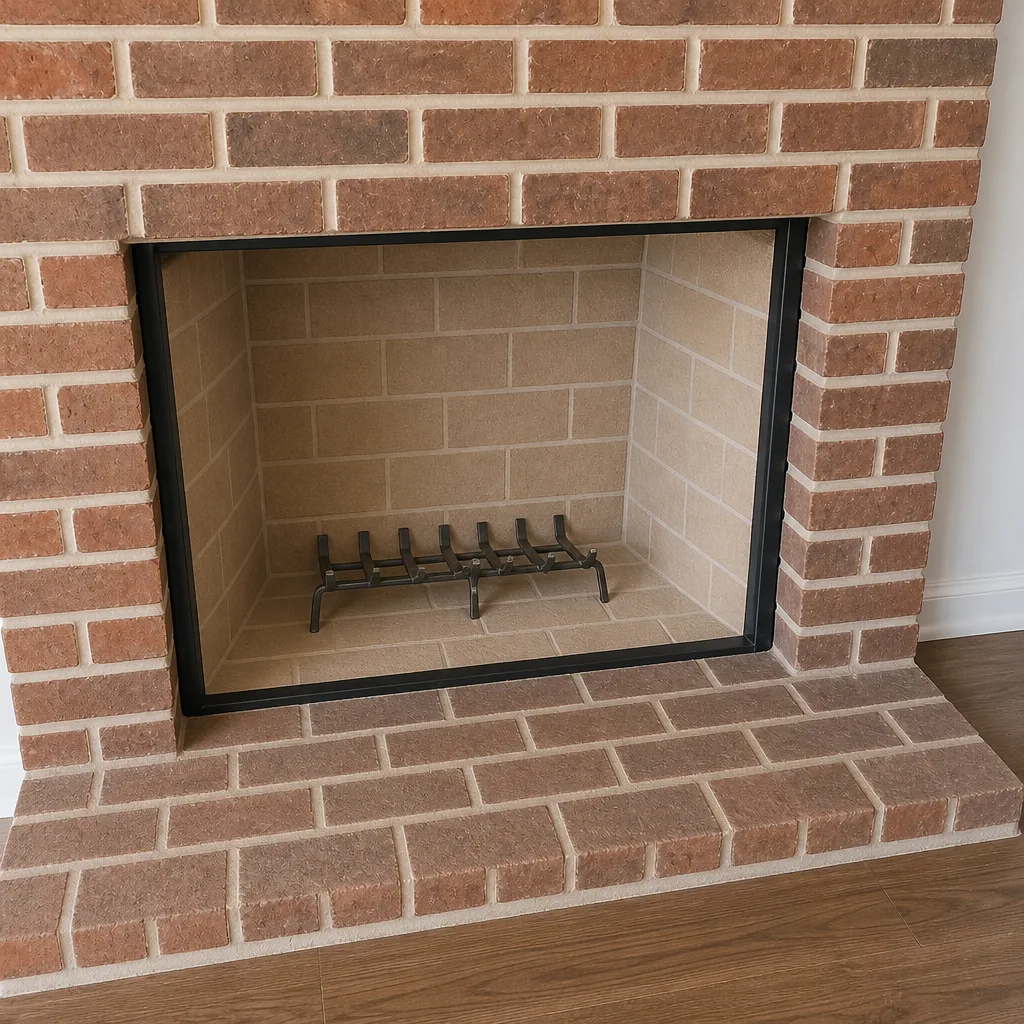
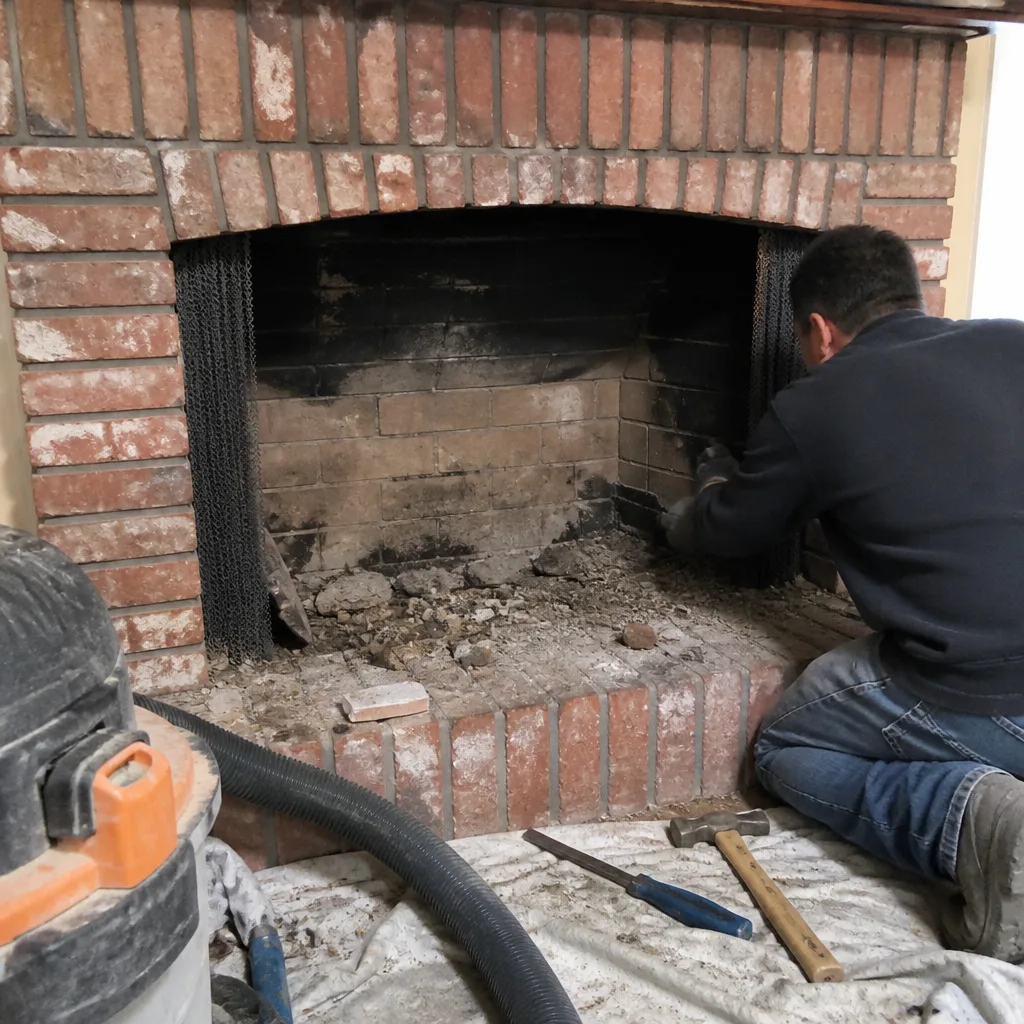
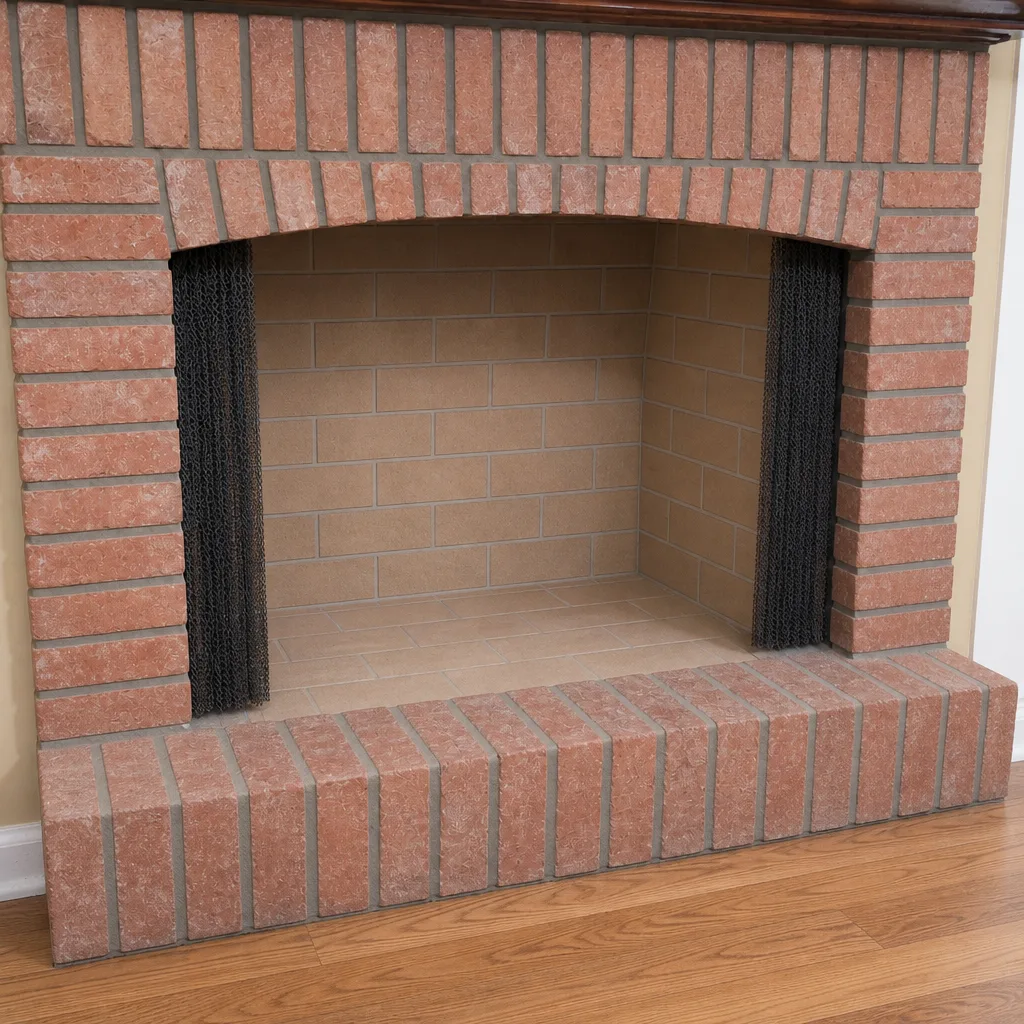
See the difference
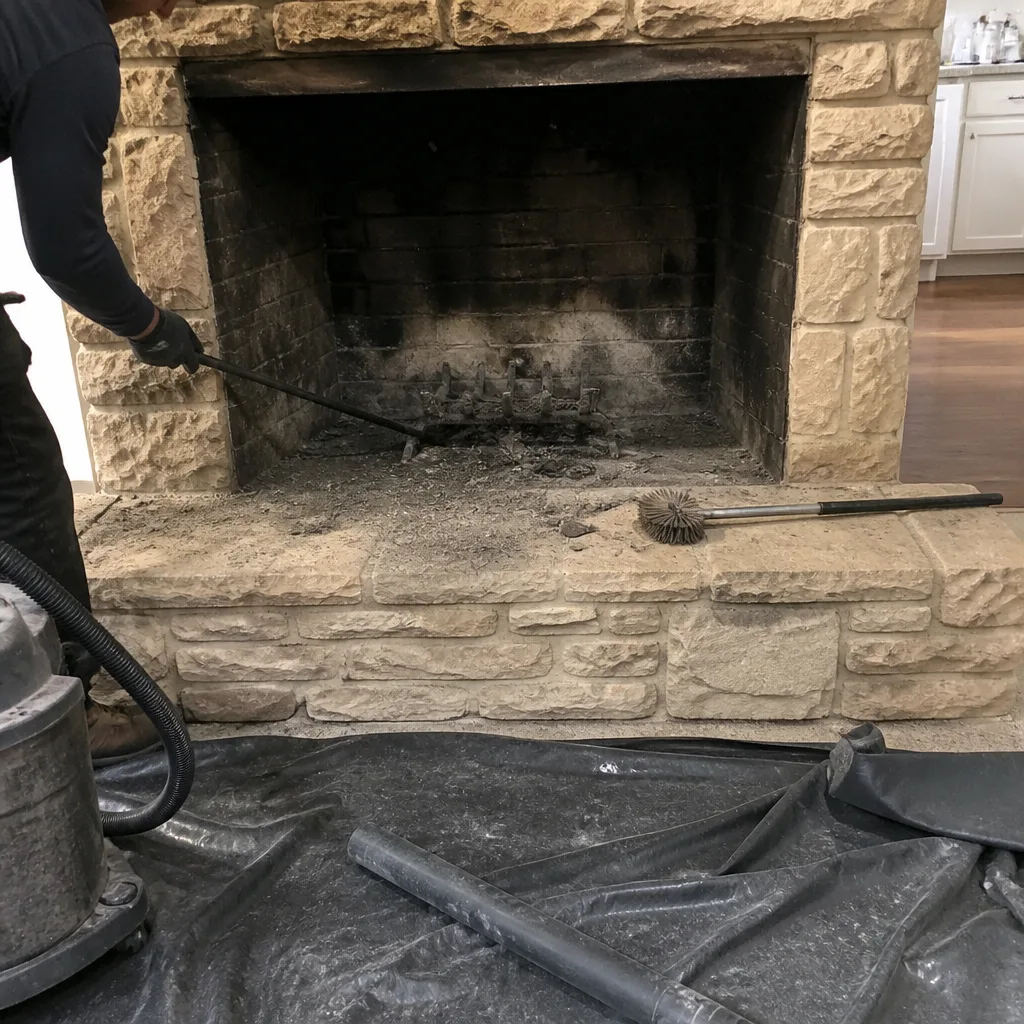 Before
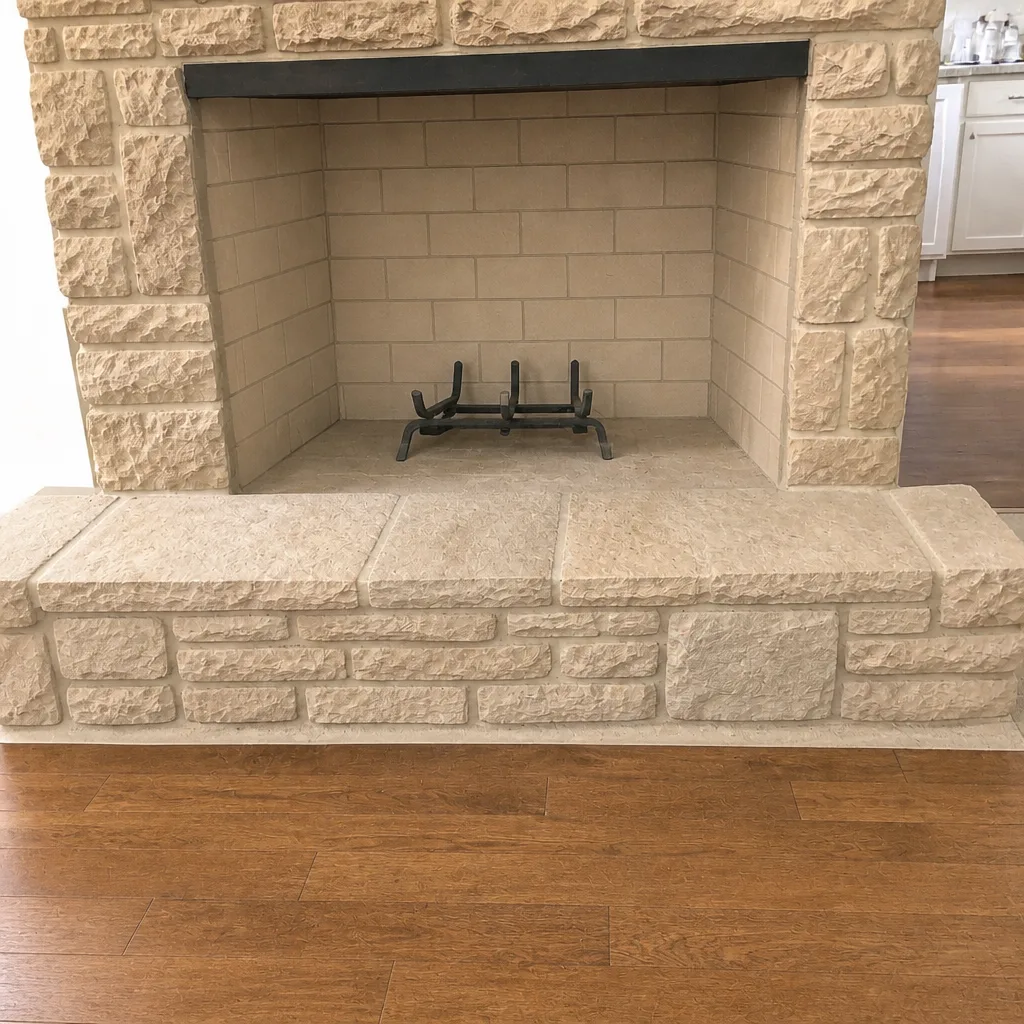 After
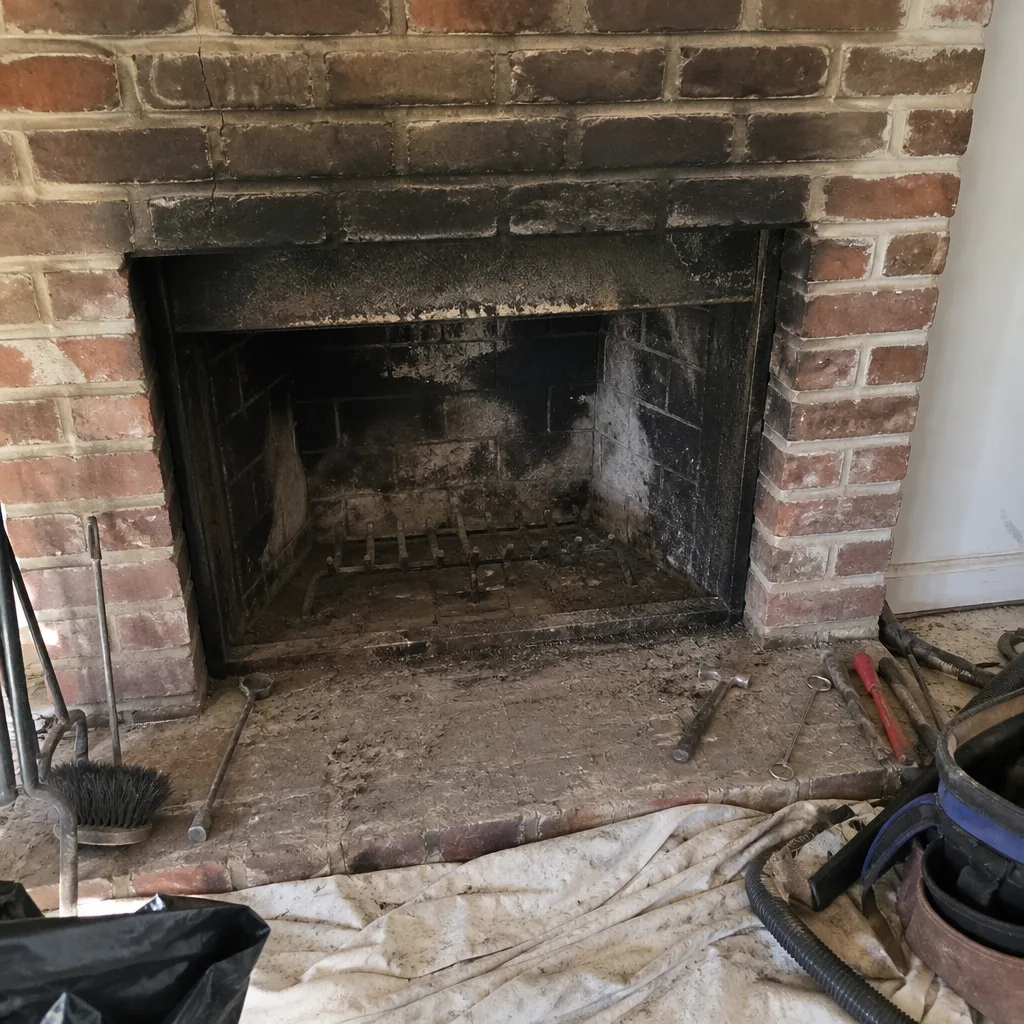 Before
 After
 Before
 After
When to Call a Professional
Call a professional at the first sign of any of the following: glazed or puffy creosote deposits (Stage 2 or 3), a liner that’s never been video-scanned, a felt earthquake since the last inspection, a home sale in progress, a fireplace connected to an insert or stove, a damaged or missing cap or crown, or any visible crack or separation in the masonry or flue tiles. If you’re unsure which category you’re in, that uncertainty is the answer – an inspection resolves it in a single visit and tells you exactly what condition the chimney is in. Chimney Sweep Anaheim Hills offers free estimates in Anaheim Hills – call (833) 468-5933. We answer 24/7. Fast dispatch from 7am to 7pm, Sunday through Friday.
When we come out, our technicians have up to 11 years of experience and work with professional-grade trade brands on every job – HeatShield resurfacing for liners that can be restored, DuraFlex liners when a replacement is the honest answer, and Famco and Gelco cap installation for manufacturer-grade components rather than generic substitutes. The point of the visit is to tell you what the chimney actually needs, and to be just as clear when it needs nothing yet.
Frequently Asked Questions
Yes, in one specific case: a fireplace with an accessible, undamaged clay tile liner, light Stage 1 creosote, and a recent professional inspection. Use a correctly sized poly brush, never a wire brush on clay tile, and confirm the firebox is cold first. If the deposits are glazed or the liner has never been scanned, DIY is the wrong call – call (833) 468-5933 for an assessment.
The cost depends on the flue condition and what the inspection finds – a Stage 1 cleaning on a sound liner is a different job from Stage 3 removal on a deteriorating one. We quote from what the camera shows rather than a flat number, and the written estimate sets the final price. The estimate itself is free; call (833) 468-5933 to book one.
The standard rule is annually for a fireplace in regular use, and more often if you burn heavily, burn unseasoned wood, or notice glazed deposits. For Anaheim Hills homes with original clay tile liners, we’d add a video scan to that cadence every few years even in years without a cleaning. Call (833) 468-5933 if you’re not sure where your chimney stands.
Resurfacing is enough when the existing liner is deteriorating but still structurally sound – HeatShield resurfacing restores the flue interior without a full liner replacement, and it’s the repair path most sweep-only companies can’t offer. A full DuraFlex relining is the answer when the liner is beyond restoration. The camera inspection is what tells you which path applies, and it’s the reason we never quote a liner job before scanning. Call (833) 468-5933 for a free estimate.
Skipping cleaning allows creosote to build into Stage 2 and 3 deposits, which are the fuel for a chimney fire. Skipping inspection means you don’t know whether the flue can contain one – a cracked tile or failed joint lets heat and embers reach the framing around the chimney. Both risks are what the cleaning and the inspection are for. Call (833) 468-5933 to get both scheduled.
They’re two separate services, and a cleaning receipt is not a condition report. A proper cleaning comes with a Level 1 visual check, but a Level 2 video inspection – the one that catches liner cracks and post-earthquake damage – is a distinct service. Ask which one you’re getting. In Anaheim Hills, where original clay tile liners are common and earthquakes are a real consideration, we’d argue the Level 2 is the more valuable of the two. Call (833) 468-5933 for a free estimate.
The Bottom Line
DIY chimney cleaning isn’t dangerous or ineffective – it’s scope-limited. It can legitimately remove light Stage 1 creosote from a fireplace with an accessible, undamaged clay tile liner, and if your last inspection is recent and nothing has changed, doing it yourself is a reasonable call. But the question isn’t whether you can clean the chimney; it’s whether cleaning alone is enough without the inspection that should accompany it. In Anaheim Hills, with original clay tile liners aging behind the creosote and a fire-prone landscape outside the window, the inspection is the load-bearing task and the cleaning is the follow-on. That’s why we bring a camera to every job and tell you plainly when work can wait – if you’re not sure which side of the boundary you’re on, a free estimate from Chimney Sweep Anaheim Hills will tell you. Call (833) 468-5933 for chimney sweep service and a free estimate.
Written by the team at Chimney Sweep Anaheim Hills.