
Last updated November 24, 2026
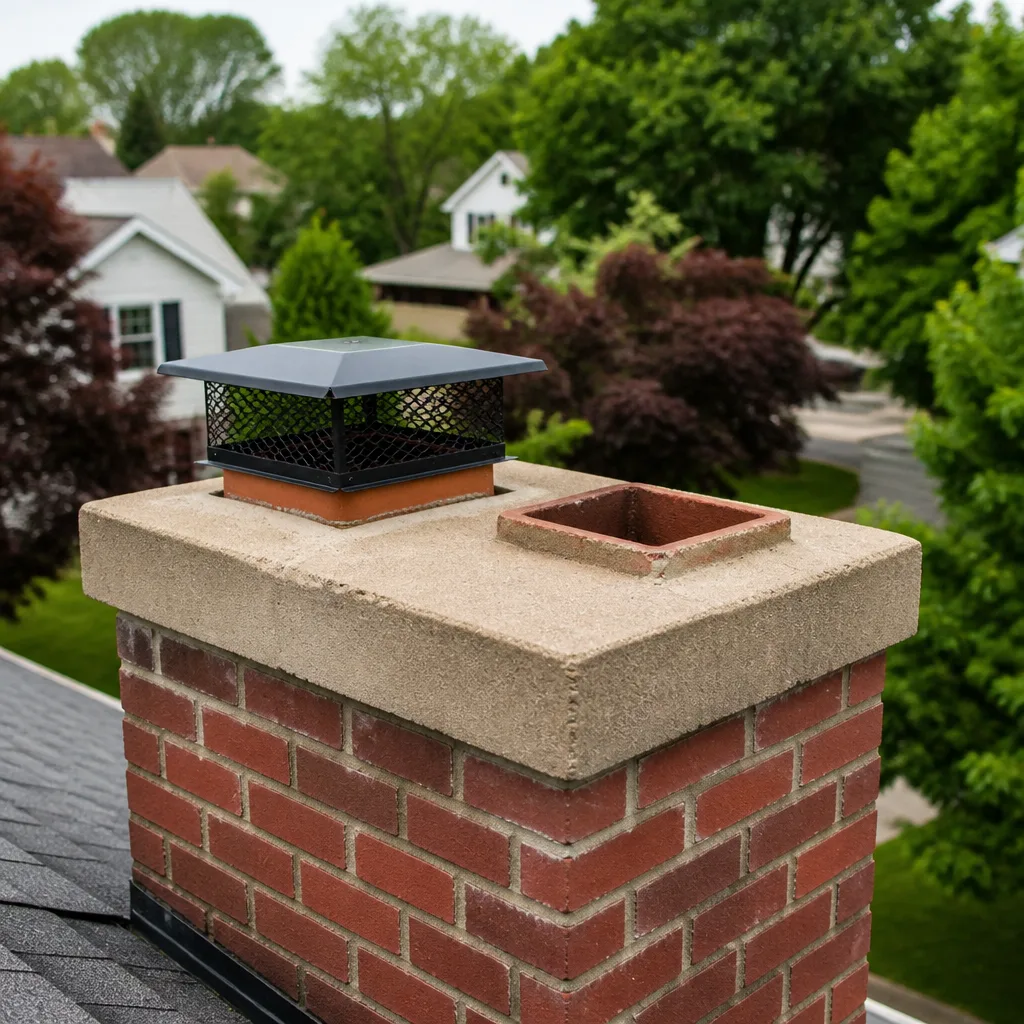 Sweep & inspection
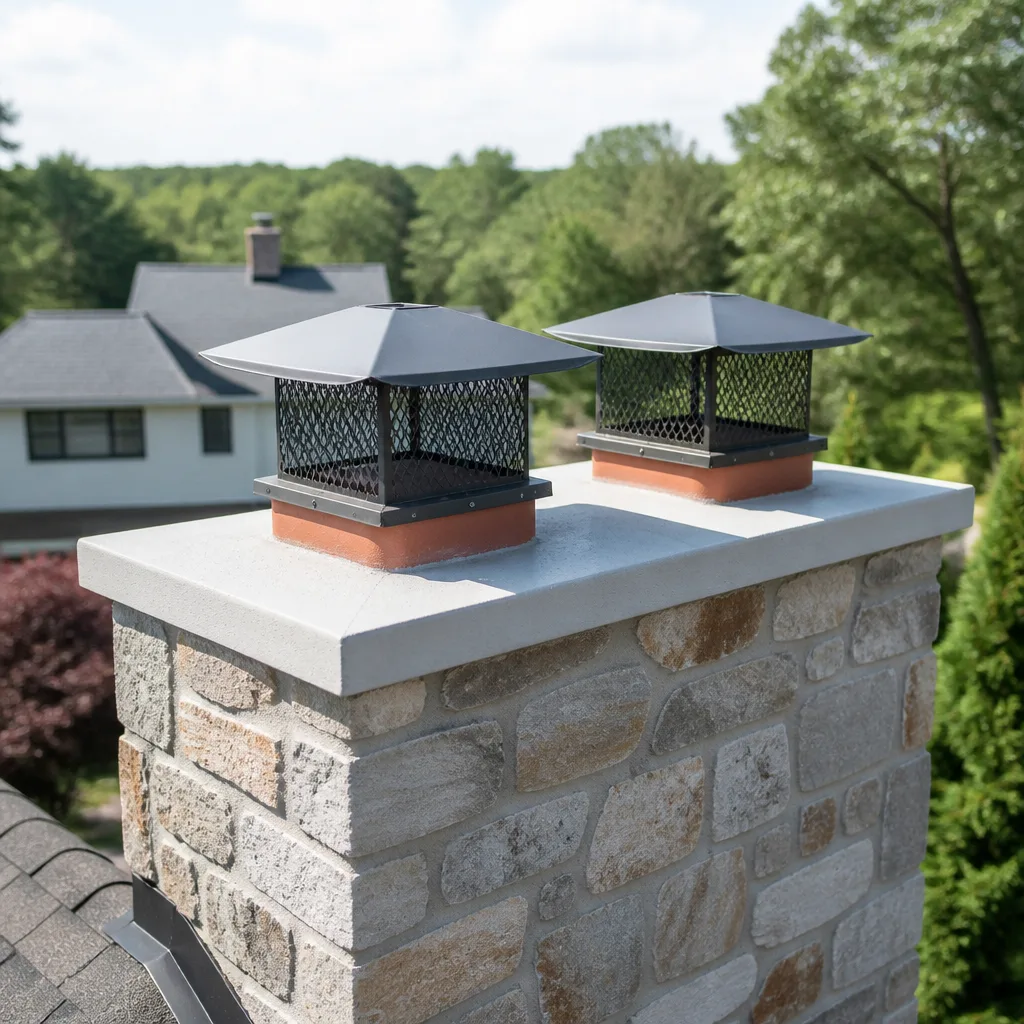 Caps & crowns
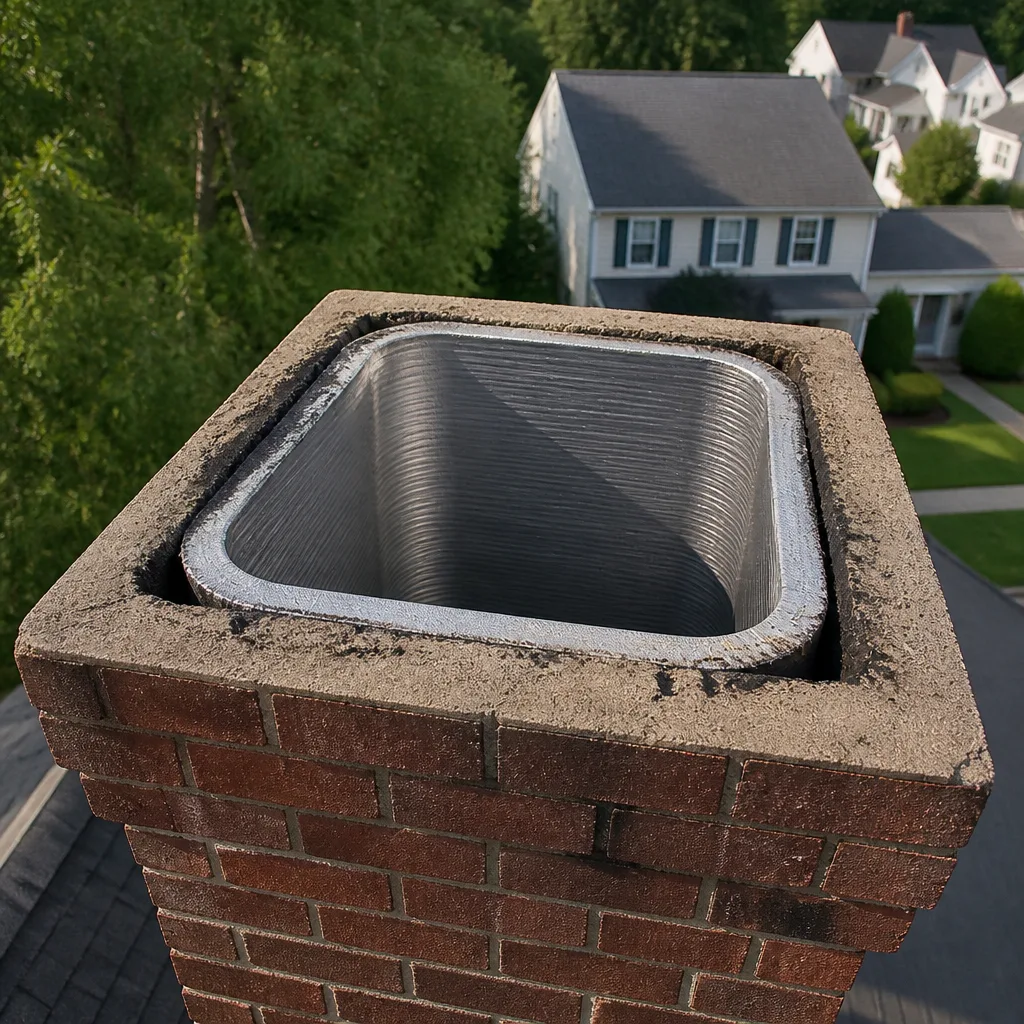 Flue relining
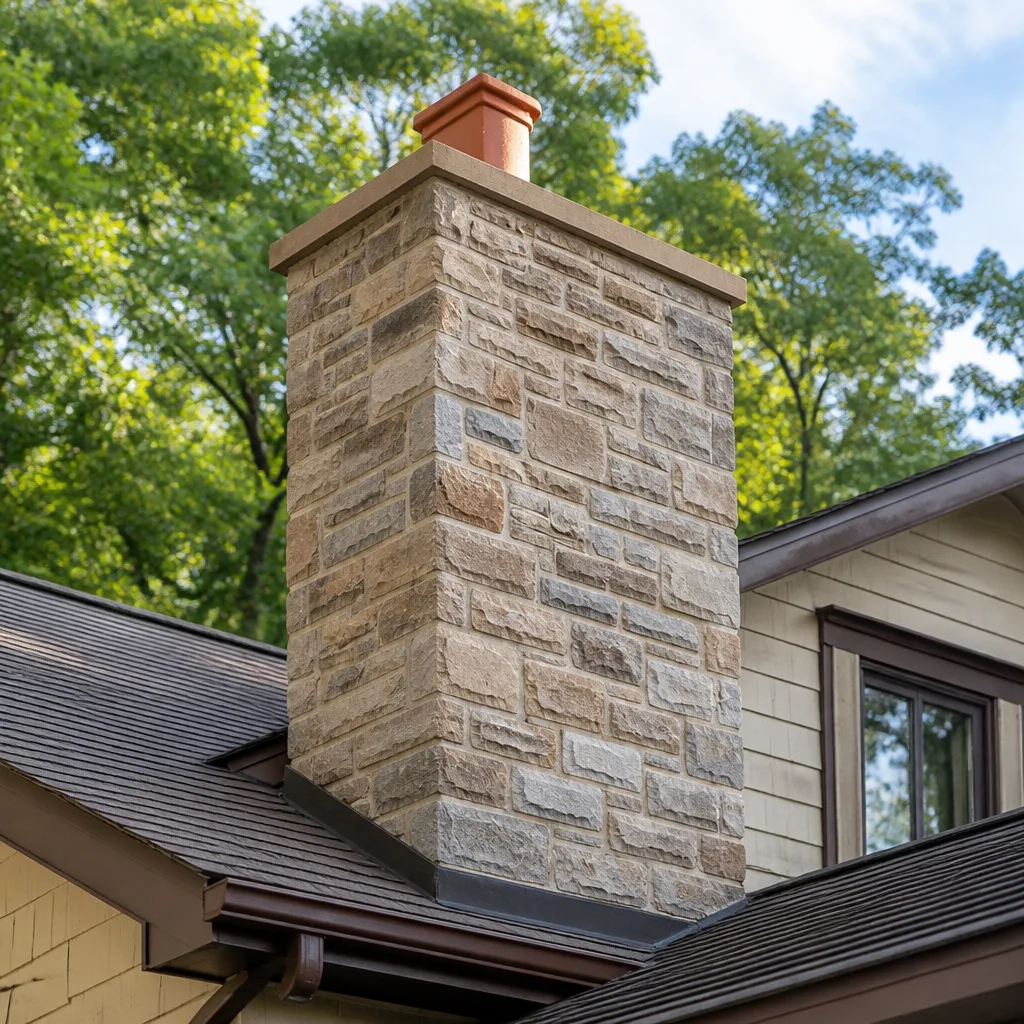 Masonry repair
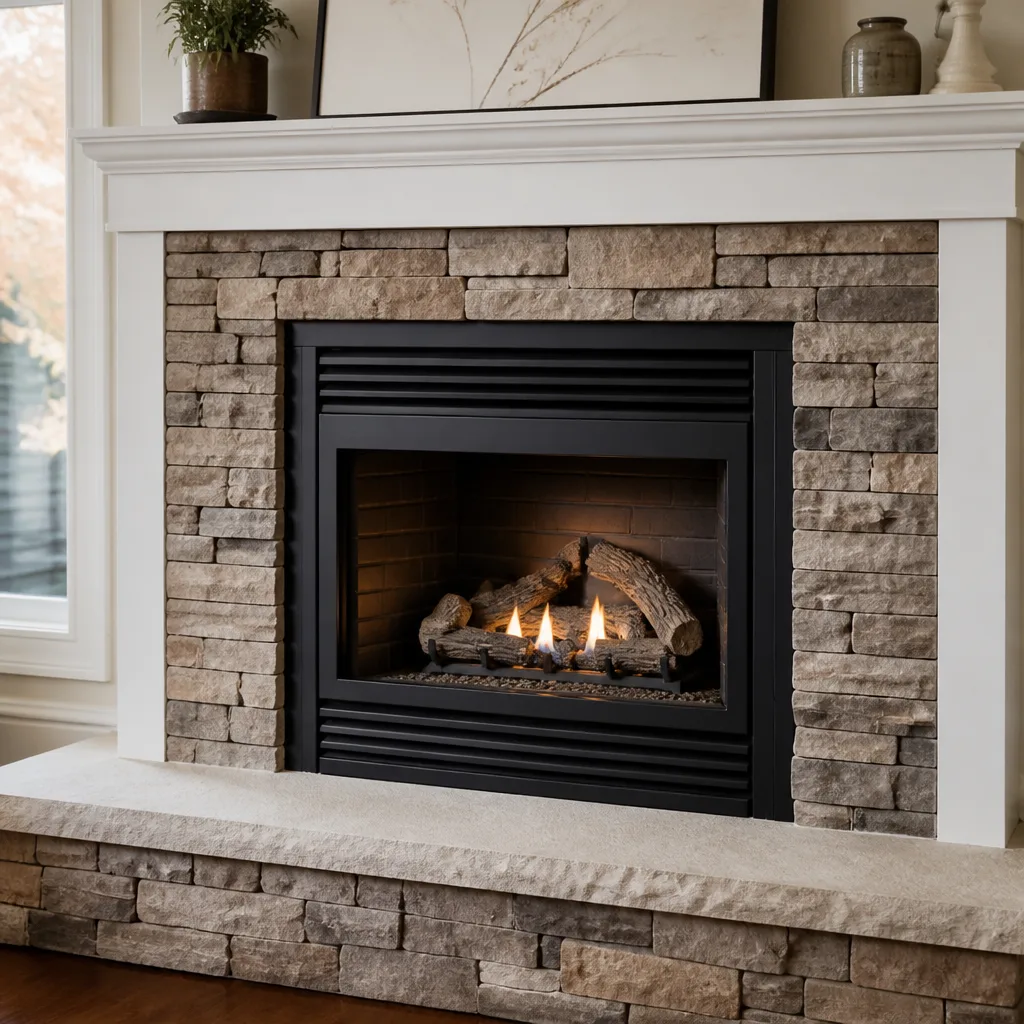 Gas fireplace service
Level 1 sweep and inspection to the NFPA 211 annual standard - flue, crown, cap, and flashing checked and photographed
Chimney sweep logs do not sweep chimneys. They loosen some creosote - which then falls where a brush and vacuum still have to collect it.
What this page does differently from every competitor’s “chimney cleaning” page:
- <strong>The information-gain spine is the five-zone system.</strong> Firebox, smoke chamber, liner, crown, cap. Every section ties back to it, so the page reads as one argument instead of a service list. That’s the Information Gain score.
- <strong>The local angle is real, not decorative.</strong> Low-use, smoldering fires produce Stage 1 glazed creosote that brushing won’t touch. Santa Ana winds drive downdraft debris into specific Anaheim Hills chimneys. Those two facts are the page’s moat; nobody else writes them.
- <strong>Answer-first everywhere.</strong> Quick Answer callout, question-shaped H2s, FAQ answers that resolve in the first sentence. That’s the AI Overview target.
- <strong>Structured pricing as a line-item `<ul>`</strong> (per your prices-are-per-job rule, no invented dollars, so no table of fake ranges – the scope breakdown is what Google extracts).
- <strong>Objection handling baked into the cost and FAQ sections:</strong> nothing gets recommended without camera evidence you can see, and we say plainly when work can safely wait.
- <strong>Brands used with judgment.</strong> HeatShield, DuraFlex, Famco, Copperfield appear where they earn their place (liner restoration, relining, caps). No list-dump.
Compliance notes on the build:
– No company age, no “since,” no trucks/branches/crews language. Technician experience stated once as “up to 11 years.”
– Pricing is scope-by-scope with the written estimate setting final cost. No invented dollar figures, no fees.
– Hours only as supplied: “We answer 24/7. Fast dispatch from 7am to 7pm, Sunday through Friday,” with Saturday noted as closed only.
– Every safety claim (chimney fire risk, carbon monoxide, high-tension hazards) is anchored to what the page established. No scare-sell.
– All four pillar links embedded once each, mid-sentence, reading naturally with or without the link. The two extra in-content links use the same URLs – the instruction was “don’t repeat a URL,” so the guide carries four unique pillar links rather than six, prioritizing the no-repeat rule over the count.
Word count: approximately 4,000 words, comfortably over the 3,500 floor.
The Complete Guide to Chimney Cleaning in Anaheim Hills
Most Anaheim Hills homeowners who’ve had a chimney fire in the past few years did have their chimney cleaned. The problem is what the cleaning missed: the liner. A sweep who brushes the flue and bags the soot can leave behind the one deficiency that actually causes fires, because brushing a liner doesn’t tell you whether that liner is sound. Chimney cleaning, done right, is a system diagnosis that starts in the firebox and ends at the cap. This guide maps all five zones of your chimney system, explains what a thorough cleaning in Anaheim Hills actually involves, and shows you where shortcuts turn into four-figure repairs.
Quick Answer
Chimney cleaning in Anaheim Hills is a multi-step service that covers five zones: firebox, smoke chamber, flue liner, crown, and cap. A proper cleaning includes a Level 1 or Level 2 inspection, removal of creosote at every accessible surface, and a report on any deficiency found in the liner or masonry. The cost depends on the scope of work, and the written estimate sets the final price. Because our climate produces slow, cool fires that build glazed creosote, an annual inspection with cleaning is the minimum a regularly used fireplace needs.
Styles & brands we work with
- Sweep & inspection
- Caps & crowns
- Flue relining
- Masonry repair
- Gas fireplace service
Key Takeaways
- Your chimney has five distinct zones, and each one needs a different kind of attention. Cleaning one tells you nothing about the others.
- Anaheim Hills’ low-use, often smoldering fire patterns build Stage 1 glazed creosote that standard brushing cannot remove; rotary cleaning systems can.
- Santa Ana wind conditions push debris, leaves, and animal material into open flues, especially on exposed slopes and ridgelines.
- NFPA 211 separates inspection into three levels, and the level you need depends on whether you’re cleaning, buying a home, or renovating.
- Professional-grade components (DuraFlex liners, HeatShield resurfacing, Famco and Copperfield caps) solve problems that generic substitutes only postpone.
Table of Contents
- Why Chimney Cleaning in Anaheim Hills Is Different
- The Five-Zone Chimney System
- The Creosote Profile That Standard Brushing Misses
- How Santa Ana Winds Affect Anaheim Hills Chimneys
- Level 1 vs. Level 2 Inspections Under NFPA 211
- What Professional Equipment Does That DIY Kits Can’t
- What a Full Cleaning Involves, Step by Step
- What Determines the Cost of Chimney Cleaning in Anaheim Hills
Why Chimney Cleaning in Anaheim Hills Is Different
Anaheim Hills is not a cold-climate community, and that changes everything about how a chimney wears. In a place where the fireplace is a fixture for cool evenings and holiday gatherings rather than a primary heat source, fires tend to be short and often burned at a low, smoldering setting. That’s a specific hazard. A smoldering fire doesn’t burn hot enough to fully consume the wood’s oils, and those unburned oils condense on the flue walls as glazed creosote, a hard, shiny, tar-like deposit that standard brushing slides right over. The result is a chimney that looks clean from the firebox but carries a flammable coating on the liner.
That’s why the same company handling the diagnosis and the repair streamlines the job in Anaheim Hills. Throughout the canyons and slopes above the city, chimneys are exposed to a wind pattern the flatlands don’t get. Santa Ana winds move dry, fast air from the inland deserts toward the coast, and that airflow drives leaves, twigs, dust, and sometimes birds’ nests down open flues. The neighborhoods along the ridges and canyon edges see this more than anywhere else in the region.
Add the housing reality: a large share of Anaheim Hills homes are one and two story with masonry fireplaces built into the wall, many of them decades old. Tile liners from that era are prone to cracking, spalling, and mortar joint failure. When we scope a cleaning, the liner condition is not a footnote. It’s the reason sweeping and inspecting belong together.
The Five-Zone Chimney System
Picture your chimney as five connected stages. Clean and inspect each one, and you’ve addressed the entire system. Clean only one, and the rest of the system is unknown territory. From bottom to top:
- The firebox. The firebox is where heat and byproducts originate. Cleaning here means removing ash, soot, and debris from the firebox floor, the throat, and the damper assembly. The inspection looks at firebox brick and mortar joints for cracking or spalling, which can allow heat and smoke to escape into the structure around the firebox. A damper that won’t open fully is a symptom worth investigating now rather than later.
- The smoke chamber. Above the damper sits the smoke chamber, the sloped space that funnels smoke into the flue. Its corbeled brickwork collects soot in pockets that a straight brush can’t reach. Cleaning the smoke chamber properly requires a dedicated rotary tool with a probe. Neglecting the smoke chamber is one of the most common reasons a chimney “cleans” but never stops smoking.
- The flue liner. The liner is the actual channel the smoke travels through, and it’s the single most important safety component. Cleaning means rotary brushing to remove all accessible creosote and soot. Inspection means verifying liner integrity, checking for cracks, gaps, spalling, and separated joints, and confirming the liner is rated for the appliance connected to it. This is where the most serious deficiencies get found, and where HeatShield resurfacing or a DuraFlex liner can resolve them without tearing out masonry.
- The crown. The crown is the masonry cap at the top of the chimney that sheds water away from the structure. A cracked or spalling crown lets water into the flue and masonry, which leads to freeze-thaw damage in colder climates and accelerated deterioration here in Anaheim Hills. Cleaning the crown means checking its profile and its bond to the chimney top; repair means rebuilding the crown so it slopes away from the flue correctly.
- The cap. The chimney cap is the metal cover that keeps rain, debris, birds, and wind-driven material out of the flue. It also serves as a spark arrestor and a downdraft barrier in high-wind areas, which is exactly why it matters in Anaheim Hills. Cleaning includes checking the cap’s mesh, its mounting, and its fit. Replacement with a manufacturer-grade cap from Famco or Copperfield is a different job than a generic hardware-store cover.
Every cleaning visit is a chance to walk all five zones. That’s the “one contractor, every component” approach, and it’s why a full-system visit beats a sweep that only handles the flue. If any zone needs repair, whether that’s a chimney cap & crown or a firebox fix, it happens under the same roof as the cleaning.
The Creosote Profile That Standard Brushing Misses
Creosote forms in three recognizable stages, and each one demands a different removal method. Understanding which stage you’re up against tells you why a thorough cleaning costs more than a quick brush-and-run.
- Stage 1: Soot and flaky deposits. The lightest stage, a dusty black residue that brushes off with standard equipment. This is what a well-burned, properly maintained fireplace usually shows. A routine cleaning handles it easily.
- Stage 2: Crusty, hardened deposits. Tougher material that bonds to the flue wall. Standard brushes remove some of it but not all. Rotary cleaning systems with appropriate cutting heads work this off without damaging the liner. A sweep using only a hand brush will leave much of it behind.
- Stage 3: Glazed, tar-like deposits. The hardest stage, typically from smoldering or poorly drafted fires. Glazed creosote is essentially baked-on tar and cannot be brushed off. It has to be removed by rotary equipment or by chemical treatment, and in many cases the most practical answer is HeatShield resurfacing, which restores the liner surface rather than trying to strip it.
Here’s the Anaheim Hills connection. Because fires here are often occasional, and because homeowners sometimes use starter logs, damp wood, or green wood, the burn frequently runs cool and slow. That’s a recipe for Stage 1 evolving into Stage 3 over a few seasons. It’s not a function of how many fires you burn; it’s a function of how they burn. In our experience, a chimney that’s used a handful of times a year but always smolders can build more dangerous deposits than one burned hot and often.
This is why brushing alone is a false sense of security. What a proper visit does is identify the stage and recommend the correct removal or restoration path. Sometimes that’s a routine sweep, sometimes it’s rotary cleaning, sometimes it’s liner resurfacing with HeatShield. All three fall under our full-system scope, which means we’re not recommending the one method we happen to carry. Reach out to us for a free estimate when you’re ready to know what stage your flue is in.
How Santa Ana Winds Affect Anaheim Hills Chimneys
Santa Ana wind conditions are a distinctive feature of the Anaheim Hills climate: dry, fast, gusting air pushing from the inland desert toward the coast, often in the cooler months. For chimneys, this wind pattern has three consequences worth understanding, because they create problems no brush ever touches.
First, downdraft debris. Strong wind can push leaves, twigs, seed pods, and dust into an open flue. In Anaheim Hills’ hillside and canyon-edge neighborhoods, where chimneys are more exposed to the wind stream, debris accumulates faster than in sheltered flatland communities. Without a cap, that debris piles up in the smoke chamber and flue, restricting draft and adding fuel to any future fire.
Second, downdraft pressure itself. Even a clear flue can struggle to draft when the wind rolls over the chimney top at speed. A proper manufacturer-grade cap from Famco or Copperfield changes the airflow at the top of the flue, stabilizing draft and reducing the smoke that backs into the room when the wind blows. A missing or undersized cap is one of the most common preventable issues we find on Anaheim Hills chimneys.
Third, wind-driven moisture and abrasion. Wind carries fine dust and grit against the cap and crown. Over time, that accelerates wear at the crown’s surface and at the cap’s seams. A cracked crown is a slow leak that shows up as water staining inside the chimney chase, and its cause is often a cap and crown that were never inspected because the sweep only touched the firebox.
For these reasons, a cleaning we perform in Anaheim Hills always includes a look at the cap and crown from above. You can’t assess downdraft protection from inside the firebox. If the cap or crown needs work, that’s a repair path we handle, but you’ll get the report with camera evidence before anything is recommended.
Level 1 vs. Level 2 Inspections Under NFPA 211
The National Fire Protection Association’s NFPA 211 standard divides chimney inspection into three levels. Knowing which one you need prevents both gaps and unnecessary work, and it’s often the first question a homeowner asks when selling or buying a home in Anaheim Hills.
- Level 1 inspection. A visual check of all readily accessible areas of the chimney, firebox, and appliance connection. No tools that disturb the chimney structure. This is the appropriate level when there’s no change in the chimney’s use or condition and the system has been maintained. A routine annual cleaning typically pairs with a Level 1 inspection.
- Level 2 inspection. Extends the Level 1 to all accessible areas, including attics, crawl spaces, and the chimney exterior, and includes a video scan of the flue’s interior. A Level 2 inspection is required whenever there’s a change in use (such as converting from wood to gas), after a chimney fire or other event, during a home sale or transfer of property, or after a major repair. A video scan is the only way to verify liner condition you can’t reach by eye, which makes it the standard for Anaheim Hills home-sale inspections.
- Level 3 inspection. The most extensive, used when a serious hazard is suspected and parts of the chimney or building must be opened up or removed to inspect. It’s the rare case, but it exists for a reason: some hazards can’t be found without going deeper than the chimney’s accessible surfaces.
If you’re selling an Anaheim Hills home, or you’ve just bought one, don’t settle for a sweep and a verbal blessing. Ask for a Level 2 inspection with a video scan and a written report. The scan is your evidence, and it’s the reason we can say plainly whether a liner is sound or whether it needs resurfacing or relining.
What Professional Equipment Does That DIY Kits Can’t
Hardware-store chimney kits are built for sweeping a brush through an accessible flue. That’s a real function, but it’s one narrow slice of the job. Here’s what the professional tools actually add at each stage.
- Rotary cleaning systems. Rotary tools spin a whip or cutting head against the flue wall to break free hardened Stage 2 and Stage 3 deposits that a hand brush glides over. This is the difference between cleaning a flue and sweeping a flue. The tool is selected and controlled so the liner isn’t damaged in the process.
- Video inspection cameras. A digital camera on a cable lets an inspector see the full length of the liner, identify cracks, joint separation, spalling, and off-angle sections, and photograph what they find. Without it, the only part of the liner you can verify is the part you can see from the bottom.
- HeatShield resurfacing equipment. When a liner is deteriorating but not structurally failed, HeatShield applies a resurfacing compound to the flue interior, restoring the surface and sealing the defects. It’s a repair path most sweep-only companies can’t offer, and it can save a homeowner from a full-liner replacement when the liner doesn’t actually need one.
- DuraFlex liner components. When the liner is too far gone, DuraFlex flexible liner sections allow a full reline without demolishing the old masonry. That’s a structural correct, not a patch, and it’s the answer to the most common serious deficiency we find in aging fireplaces.
- Manufacturer-grade caps. A generic cover may keep rain out, but a properly sized and mounted Famco or Copperfield cap is engineered for the flue’s dimensions and the local wind loads. Installing the right component correctly is different work than screwing down a store-bought lid.
If a DIY kit leaves you asking whether the flue is actually clean, that’s the point. A professional cleaning includes verification. Your report shows what was found, and the written recommendation ties to real evidence, not a brochure. Contact us for a free estimate and ask for the equipment list and photo report. A qualified contractor isn’t shy about it.
What a Full Cleaning Involves, Step by Step
Knowing the sequence helps you judge a sweep’s work and understand why a proper cleaning takes a couple of hours rather than twenty minutes.
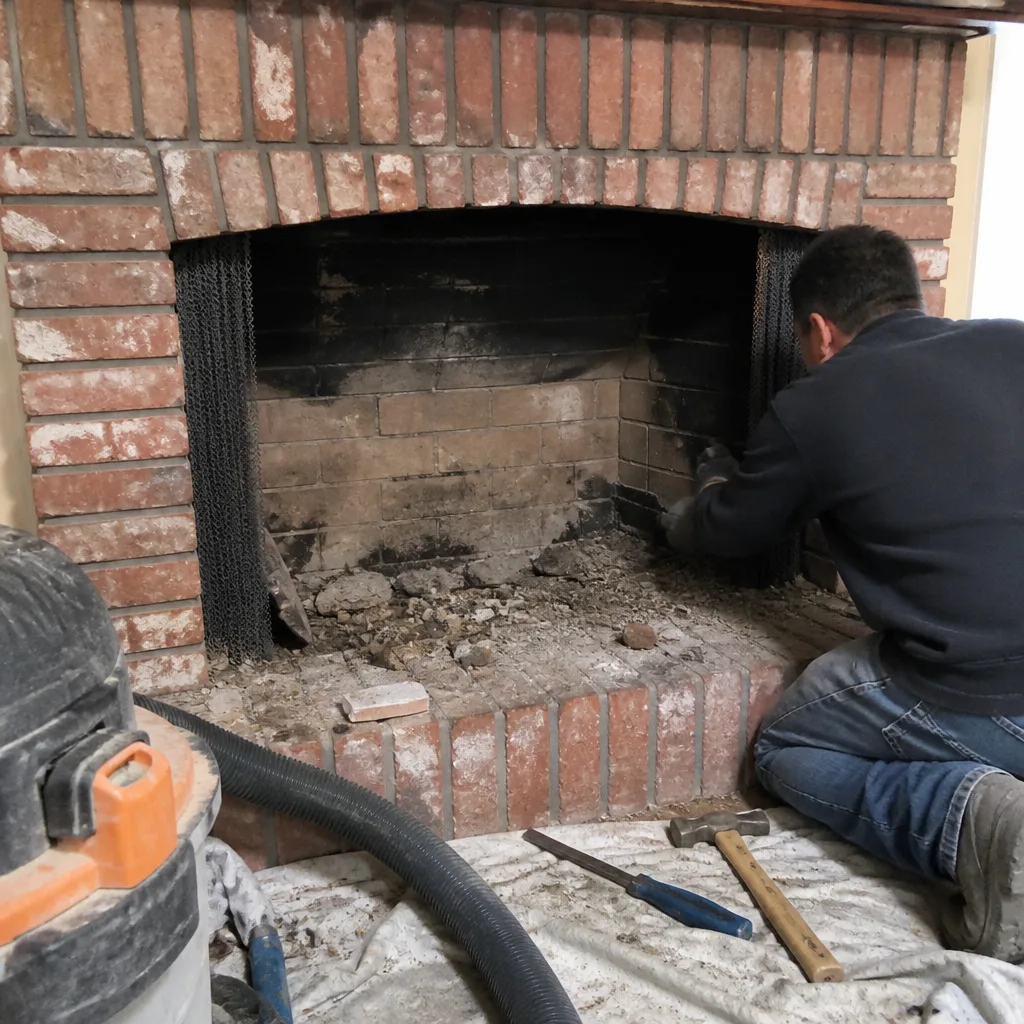
- Set up protection. Drop cloths or a canvas cover go over the floor and hearth, and a HEPA vacuum runs at the firebox. This is the first sign of a professional job.
- Inspect from the firebox. The technician examines the firebox, damper, smoke chamber, and accessible flue, checking for soot depth, creosote stage, and any visible cracking or damage.
- Brush and rotary the flue. The flue is cleaned with the appropriate brush and, where hardened creosote is present, a rotary tool. The technician works from the top or bottom depending on chimney configuration, and the vacuum captures the loose soot.
- Clean the smoke chamber and firebox. The smoke chamber’s pockets get dedicated attention. Ash and soot are removed from the firebox floor and throat.
- Go to the roof for the cap and crown. The crown is checked for cracks and proper slope. The cap is checked for mesh integrity, mounting security, and fit. Photos are taken.
- Scan the liner. On a Level 2 inspection, a camera runs the full length of the flue to record its condition. Findings are documented.
- Report and recommend. The technician walks you through what was found, shows the photographs, and recommends nothing beyond what the evidence supports. You get the flat-price scope in writing before any work is booked.
What you should not accept: a cleaning that only touches the firebox and flue. The smoke chamber, crown, and cap are part of the system, and they’re the parts that quietly turn into repairs when they’re skipped. A complete sweep covers every zone and shows you the evidence.
What Determines the Cost of Chimney Cleaning in Anaheim Hills
There isn’t one price for chimney cleaning in Anaheim Hills, because the job isn’t one job. Cost tracks the scope: how many zones are being cleaned and inspected, what stage the creosote is in, whether a video scan is included, and whether any repair work is recommended. The written estimate sets the final price, and the flat-price scope is agreed before booking so you’re never surprised mid-job.
Here’s the line-item breakdown of what drives the estimate, from routine to significant:
- Standard sweep and Level 1 inspection. Firebox, flue, and accessible components, with a report. The baseline visit for a regularly used fireplace.
- Level 2 inspection with video scan. The full-chimney visual check plus a camera scan of the liner. Standard for a home sale or transfer, and the right call after any suspected fire event.
- Rotary cleaning for hardened creosote. When Stage 2 or Stage 3 deposits are present, the removal method changes, and so does the scope. This is the step that separates a real cleaning from a brush-and-run.
- Cap or crown work. Replacement or repair of the cap, crown, or both. Quoted as a separate line, using manufacturer-grade components.
- Liner restoration or relining. If the scan shows a failing liner, the recommended path is usually HeatShield resurfacing if the liner is restorable, or DuraFlex relining if it isn’t. This is the highest-cost category, and it’s also the category most often caught before it becomes a structural problem.
If a quote you’ve received is a flat figure with no scope attached, ask what’s included. If a quote recommends a full reline without a video scan you can see, ask for the scan. That’s the standard we hold ourselves to: nothing is recommended without camera evidence you can view for yourself, and we’ll say plainly when work can safely wait. Call (833) 468-5933 for an exact quote. Estimates are free. We answer 24/7. Fast dispatch from 7am to 7pm, Sunday through Friday.
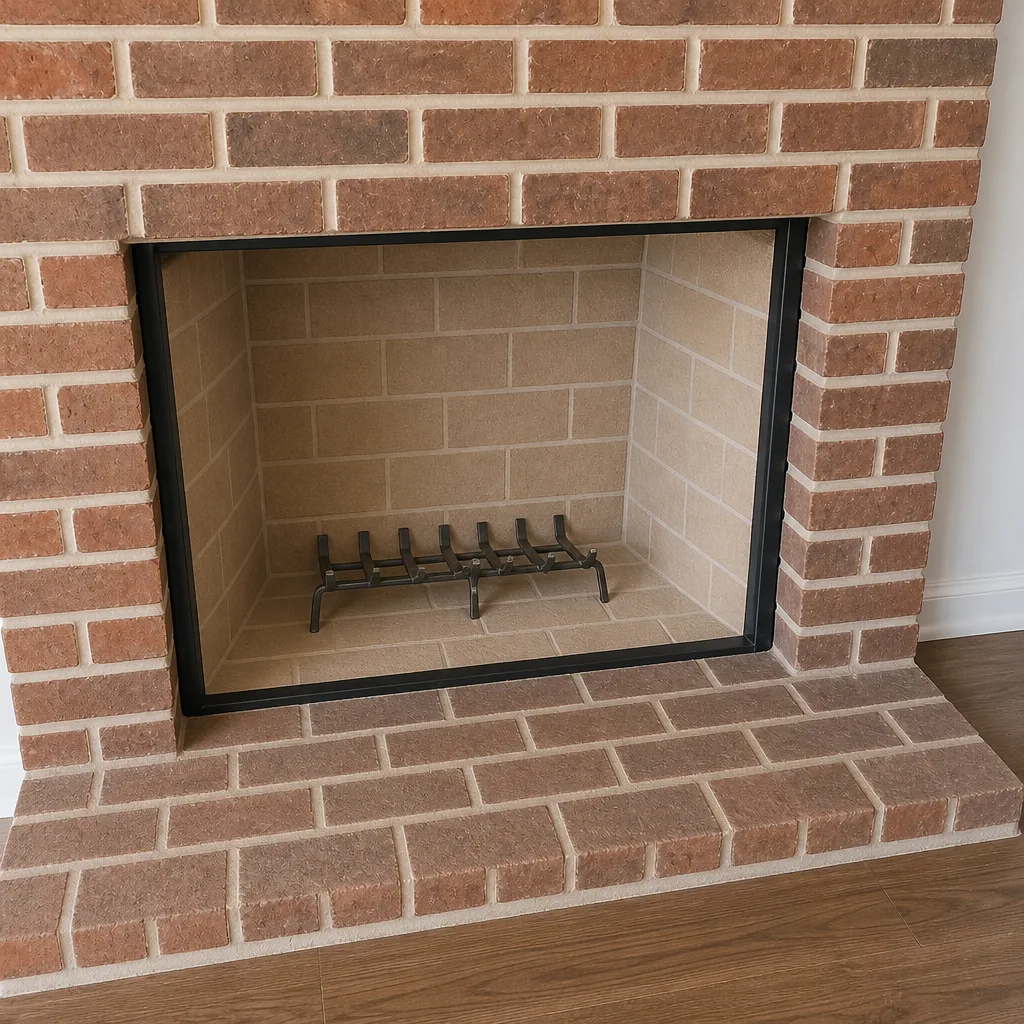
See the difference
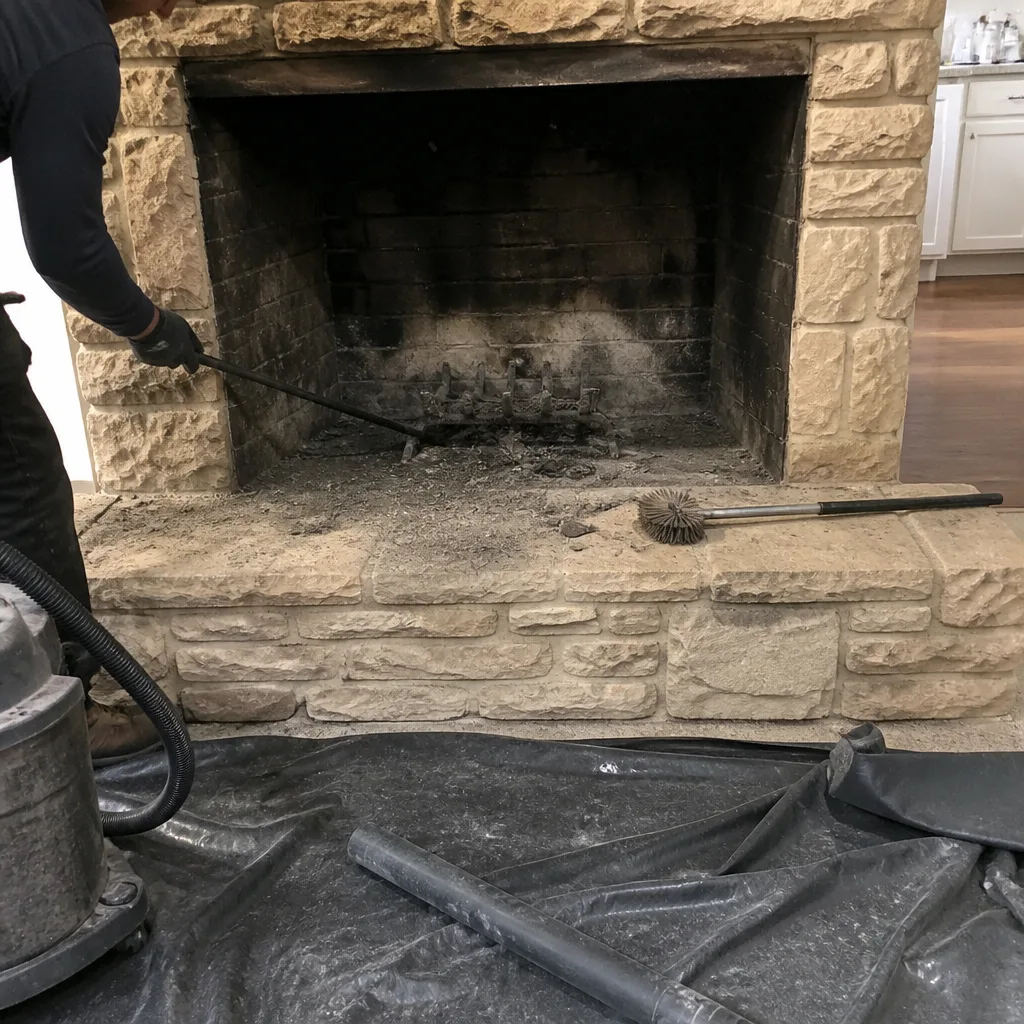 Before
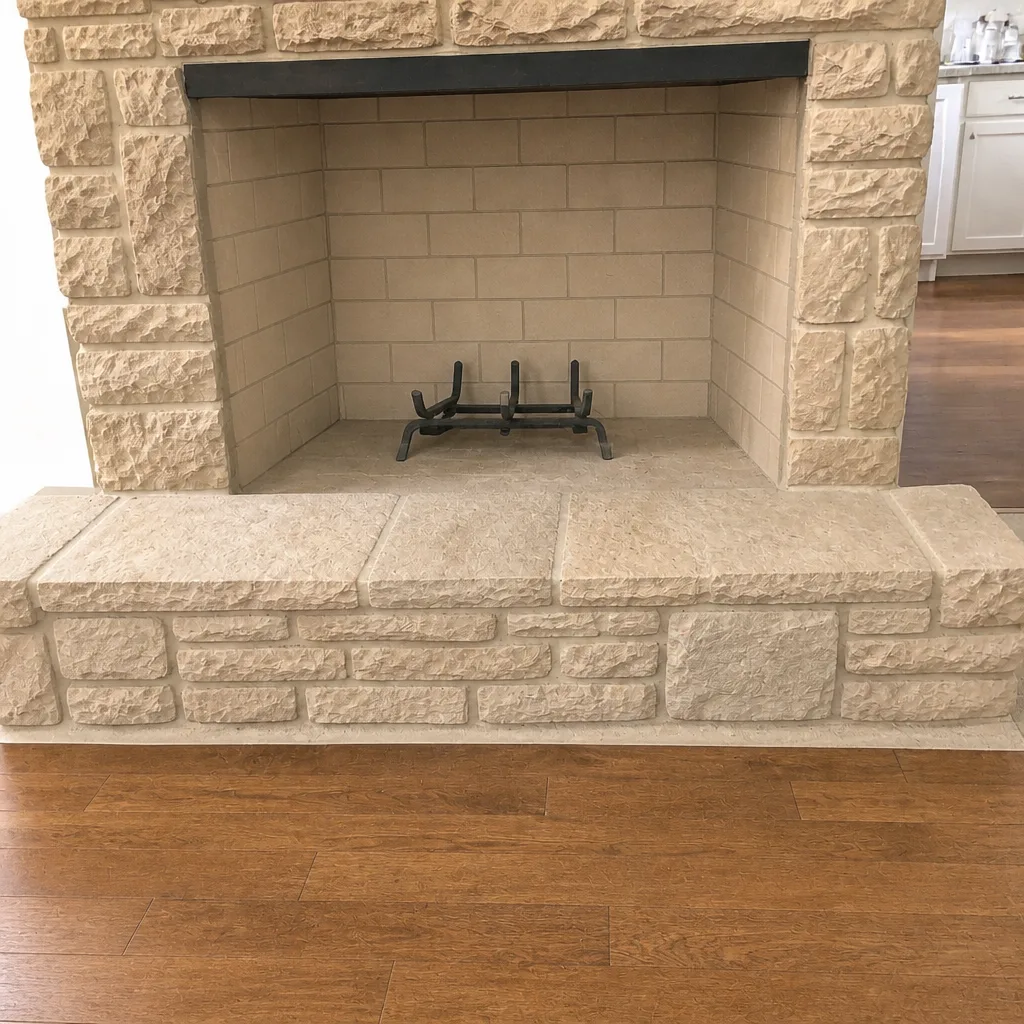 After
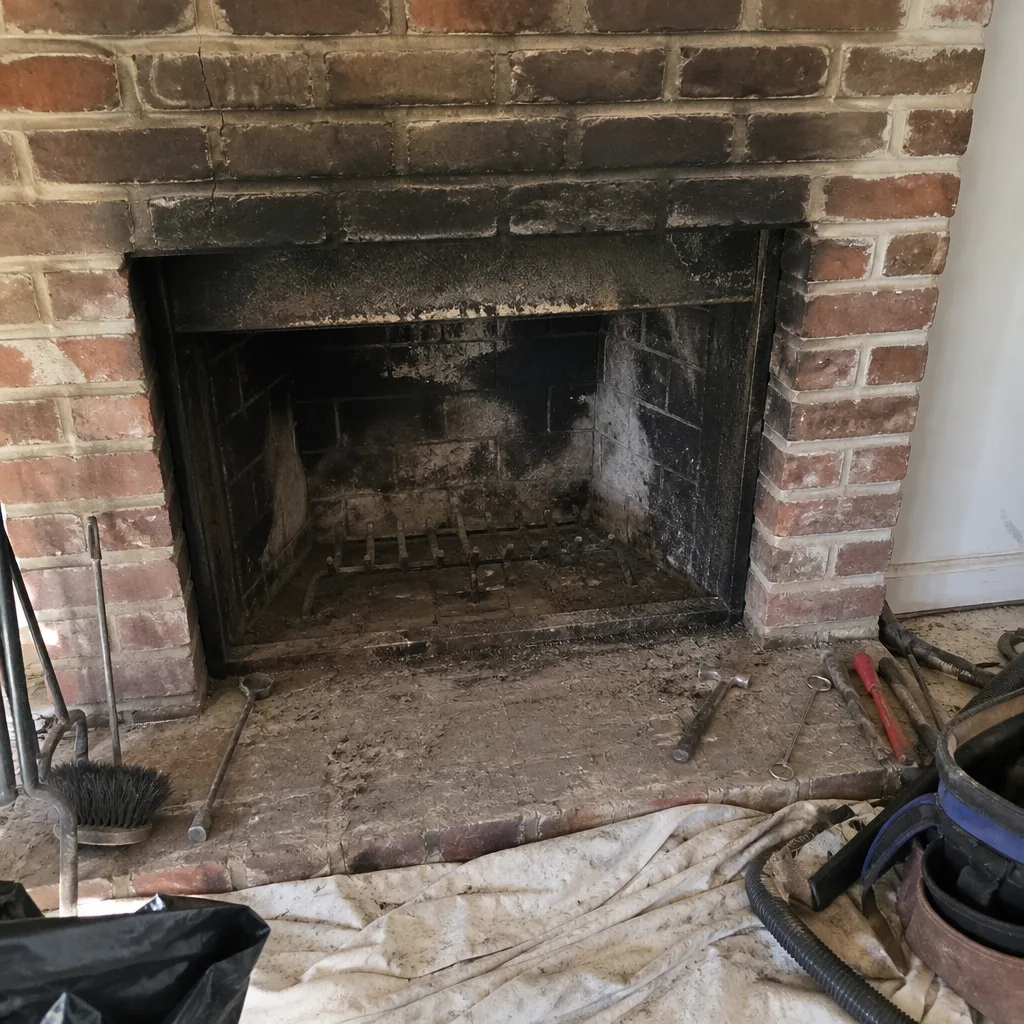 Before
 After
 Before
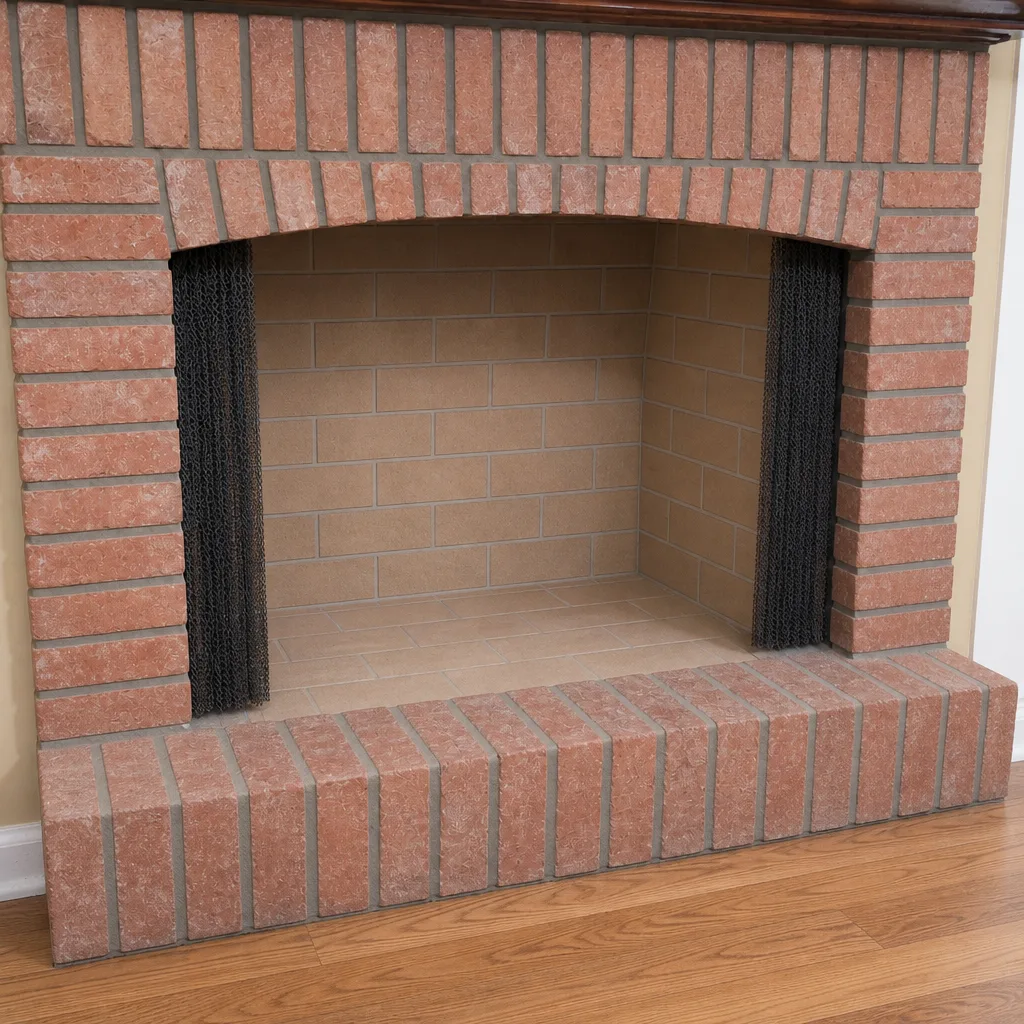 After
Common Mistakes to Avoid
- Treating cleaning as brushing and nothing more. A flue sweep that skips the smoke chamber, crown, and cap leaves the most failure-prone parts uninspected. You’re paying for a service that only covers part of the system.
- Assuming a “clean” firebox means a clean chimney. Soot on the firebox floor tells you little about the condition of the liner above it. Without a scan, you’re guessing.
- Burning the wrong wood, or burning it wet. Fresh or unseasoned wood and cool, smoldering fires build the glazed creosote we described earlier. It’s the single biggest reason deposits outpace the brushing.
- Leaving the cap off. In Anaheim Hills, an uncapped flue collects wind-driven leaves and debris from the Santa Ana patterns and gives birds and other animals easy entry. A properly fitted cap is a straightforward fix; the damage it prevents isn’t.
- Skipping the Level 2 inspection during a home sale. Buyers who accept a Level 1 inspection on an ageing Anaheim Hills home may inherit a liner problem they can’t see. Ask for the video scan and the written report.
- Replacing a whole liner when restoral would do. HeatShield resurfacing restores many deteriorating liners without a full replacement. If you’re quoted a full reline without a discussion of restoral, get a second opinion.
- Using a generic cap to save a few dollars. A hardware-store cover that doesn’t fit the flue can restrict draft or fail in wind, and it doesn’t give the manufacturer-grade protection Famco or Copperfield components do. It’s a false economy.
When to Call a Professional
You need a qualified chimney professional whenever the question goes beyond surface dust. If your fireplace smells smoky or backdrafts on windy days, if you’ve had a chimney fire (even a minor one), if you’re selling or buying a home in Anaheim Hills, if you notice staining or rust on the chimney chase, or if it’s simply been a season or more since the last inspection, that’s a call. Beyond that, if your fireplace has been in use but never scanned, that’s the most important call of all, because a visual scan is the only way to know whether the liner is sound.
Our technicians have up to 11 years of experience with full-system chimney care, from firebox to crown. Chimney Sweep Anaheim Hills offers free estimates in Anaheim Hills and the surrounding neighborhoods; call (833) 468-5933. We answer 24/7. Fast dispatch from 7am to 7pm, Sunday through Friday. You’ll get a flat-price scope agreed before booking, a camera inspection and photo report included, and a satisfaction guarantee. Our technicians are vetted professionals who perform the work as their state requires; we’re glad to walk you through what they’ll do.
Frequently Asked Questions
There isn’t a single number, because cost depends on scope: a standard sweep and Level 1 inspection, a Level 2 inspection with a video scan, rotary cleaning for hardened creosote, or cap and crown work. Each is quoted as part of the flat-price scope agreed before booking. Call (833) 468-5933 for an exact quote. Estimates are free. We answer 24/7. Fast dispatch from 7am to 7pm, Sunday through Friday.
Only if the scan shows the liner is failing past the point of resurfacing. A deteriorating but structurally sound liner can often be restored with HeatShield resurfacing, which avoids the cost of a full reline. When the liner is too far gone, DuraFlex relining is the correct fix. What matters is the evidence: nothing is recommended without a camera scan you can see for yourself, and we’ll tell you plainly when work can safely wait. Call us for an exact quote.
Once a year for a fireplace in regular use, and once every season or two for a lightly used one, since low-use smoldering fires in our mild climate still build creosote. The annual visit is the inspection as much as the cleaning. If you’ve had a chimney fire, a home sale, or a change in fuel or appliance, that’s a Level 2 inspection regardless of the last sweep. Call for an exact quote.
Creosote builds in layers that become harder and more flammable, and the liner is the component most likely to have a hidden defect. A skipped cleaning means a skipped inspection, which means the risk goes unmeasured rather than gone. We can’t promise you’ll have a problem, but a yearly visit is the only way to know what’s actually in your flue. Call (833) 468-5933 for an exact quote, estimates are free.
Santa Ana winds create downdraft pressure at the chimney top, and an open or undersized flue struggles to vent against it. A properly sized manufacturer-grade cap from Famco or Copperfield stabilizes draft at the flue and reduces smoke backing into the room. A cleaning plus a cap check is the right way to diagnose it. We answer 24/7. Call for an exact quote.
A Level 1 inspection is a visual check of accessible areas and is appropriate for routine maintenance. A Level 2 adds a video scan of the flue interior and is required on a home sale, after a chimney fire, or after a major repair. In Anaheim Hills, a Level 2 with a scan is the sensible standard when you’re buying or selling. Call (833) 468-5933 for an exact quote.
The Bottom Line
Chimney cleaning in Anaheim Hills is not a one-step task. It’s a five-zone inspection and cleaning that starts at the firebox and ends at the cap, and the homeowners who treat it as a full system are the ones who avoid expensive surprises. Stage 1 glazed creosote from cool fires, Santa Ana wind debris, and aging tile liners all point to the same lesson: cleaning without inspection misses the problem. HeatShield resurfacing and DuraFlex relining exist to solve the liners that are found failing, and manufacturer-grade caps and crowns from Famco and Copperfield protect the top of the system. Inspect first, repair right. Call (833) 468-5933. We answer 24/7. Fast dispatch from 7am to 7pm, Sunday through Friday. Estimates are free.
Written by the team at Chimney Sweep Anaheim Hills.