
Last updated November 24, 2026
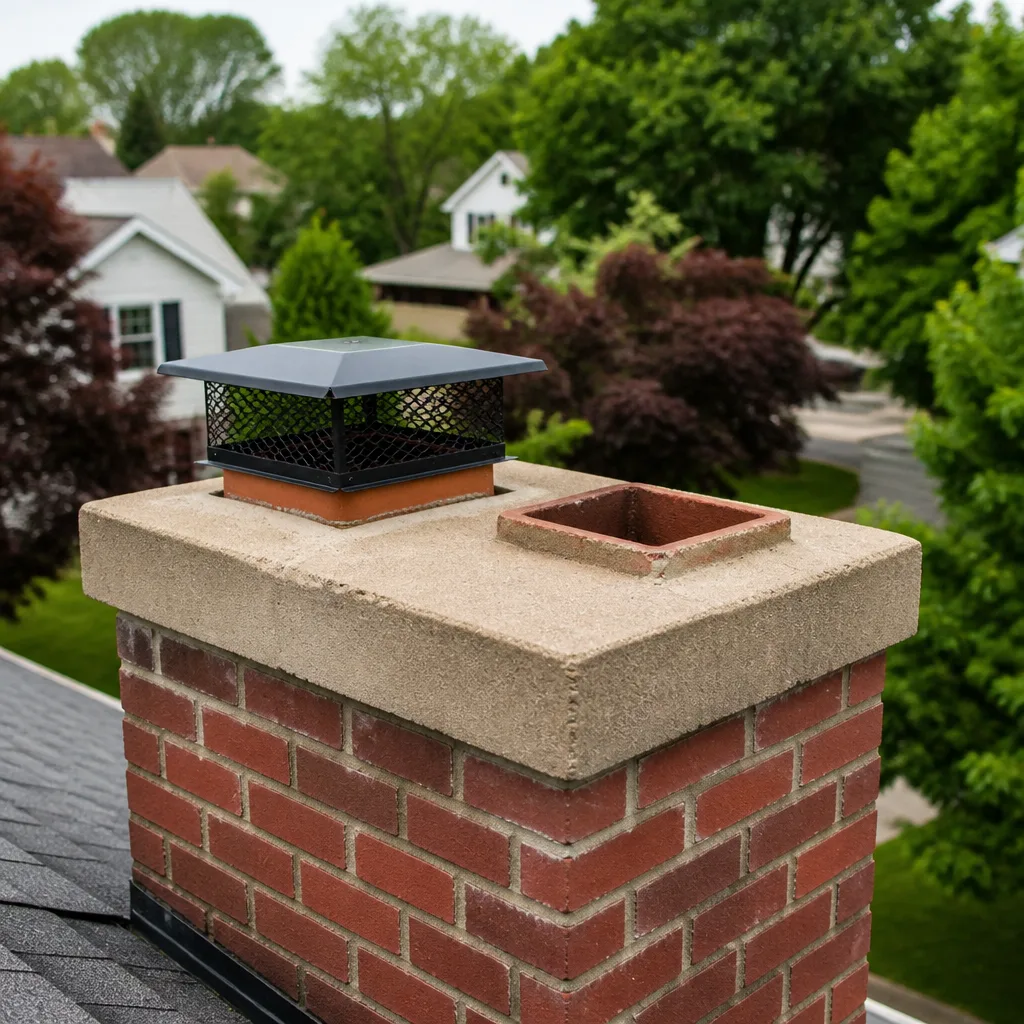 Sweep & inspection
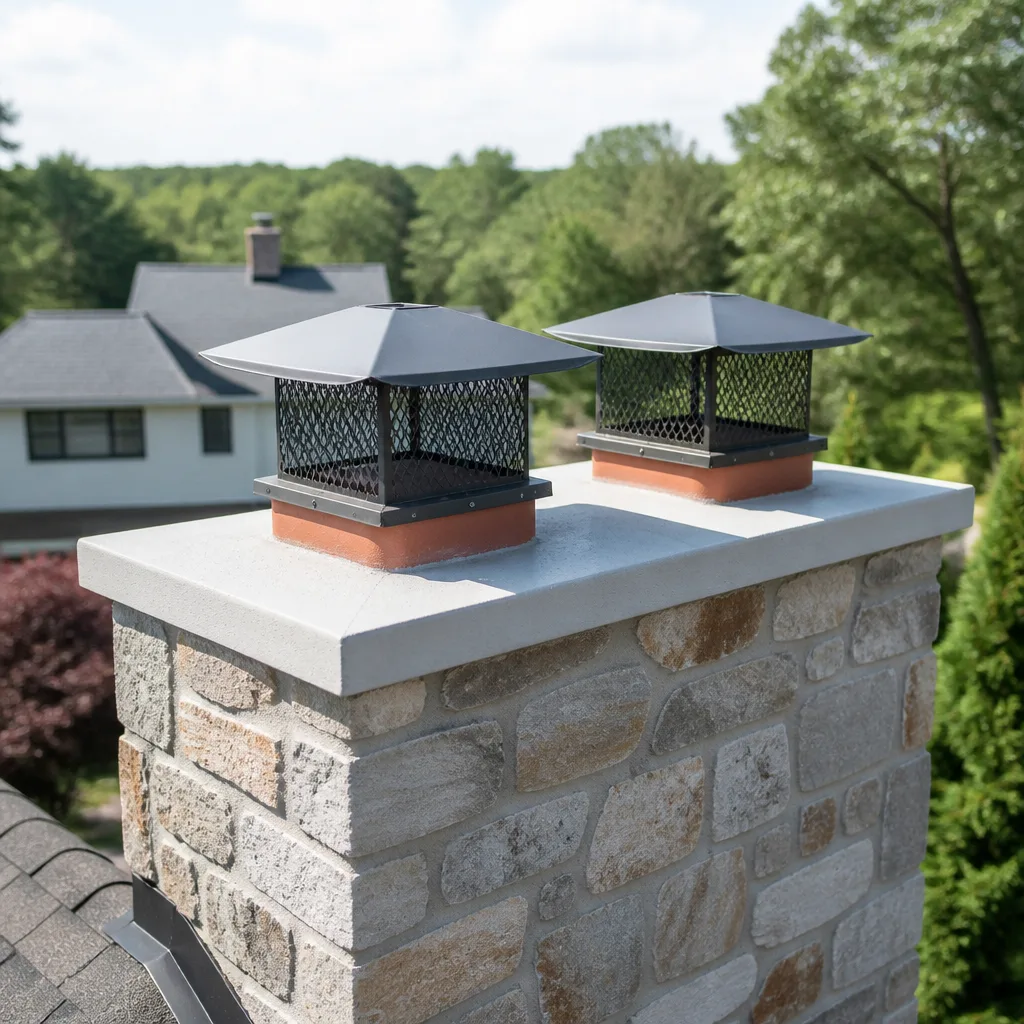 Caps & crowns
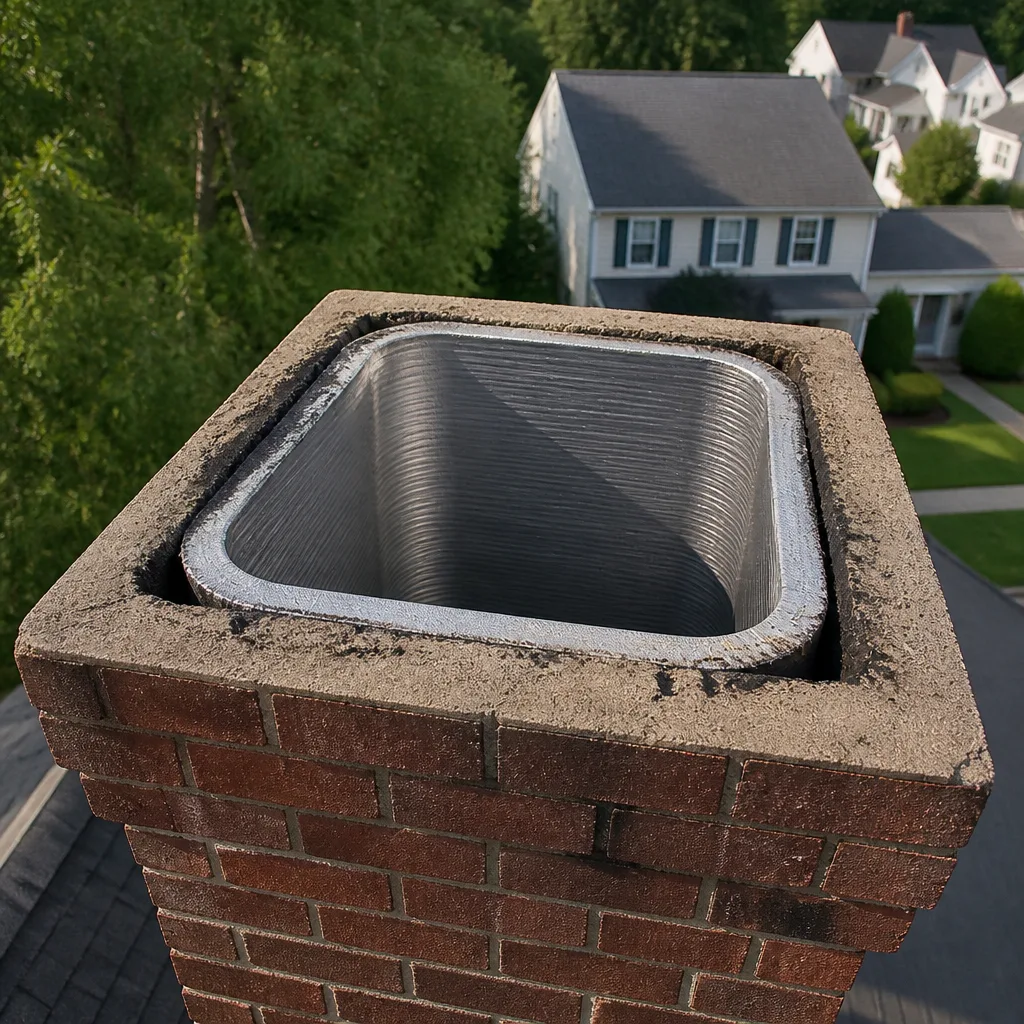 Flue relining
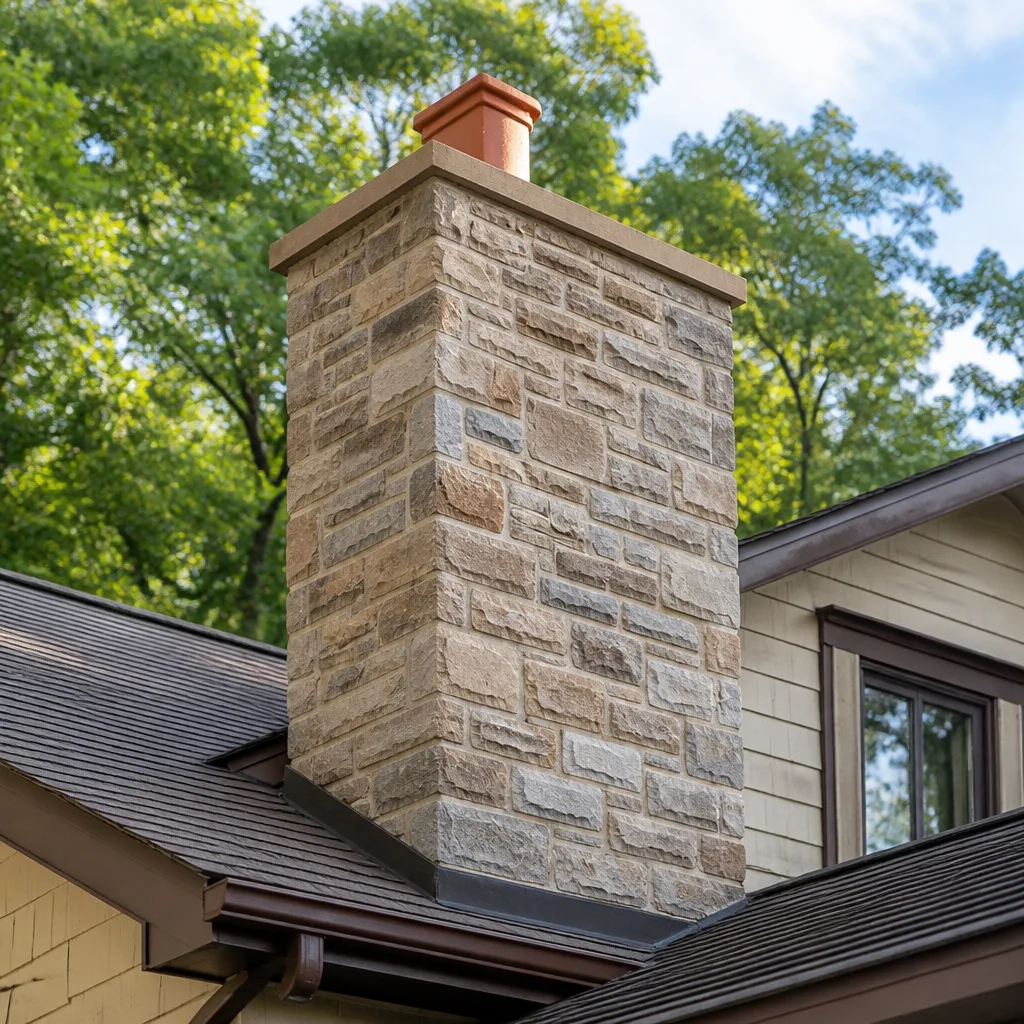 Masonry repair
 Gas fireplace service
Level 1 sweep and inspection to the NFPA 211 annual standard - flue, crown, cap, and flashing checked and photographed
Chimney sweep logs do not sweep chimneys. They loosen some creosote - which then falls where a brush and vacuum still have to collect it.
Chimney Sweep Maintenance Checklist for Anaheim Hills Homeowners
Most chimney maintenance advice stops at “book a sweep once a year.” That isn’t a maintenance plan. It’s a reminder to call somebody. The parts of a chimney that fail first in Anaheim Hills are usually the parts nobody looks at between visits: the crown, the cap screen, the mortar joints on the sun-facing wall. This guide gives you a component-by-component checklist you can actually run yourself, from the ground and the roofline, so problems surface while they’re still small. You’ll learn what to watch, what to write down, and what genuinely needs a professional.
Quick Answer
A working chimney maintenance routine has three layers: a visual walkaround you do every few months, a running log of how the fireplace behaves, and a professional sweep and inspection on the interval your usage calls for. In Anaheim Hills, the two parts homeowners skip most are the crown and the exterior masonry, which take steady sun and seasonal moisture year after year. Handle those between visits and you’ll catch most repairs before they turn into structural work.
Styles & brands we work with
- Sweep & inspection
- Caps & crowns
- Flue relining
- Masonry repair
- Gas fireplace service
Table of Contents
- The Zone-by-Zone Walkaround
- What Anaheim Hills Weather Does to a Chimney
- What to Document Between Service Visits
- Firewood Moisture and Creosote: The Part You Control
- Resetting the Clock on Liner Wear
- The Honest Service Interval Table
- What a Professional Visit Should Include
- A Seasonal Rhythm for Anaheim Hills
The Zone-by-Zone Walkaround
You don’t need tools or a ladder for most of this. Stand back from the house and work from the top of the chimney down. Binoculars help, and a phone camera with zoom helps more, because you can compare this year’s photo to last year’s.
Zone 1: the cap. The cap is the lid over the flue. Check that the mesh screen is intact all the way around, that the top plate isn’t rusted through, and that the whole unit still sits level. A cap that’s pulled loose or lost its screen lets rain, birds and debris straight into the flue.
Zone 2: the crown. The crown is the concrete or masonry slab that slopes away from the flue at the very top. This is where we see the most overlooked damage in Anaheim Hills. Look for hairline cracks, a crown that has pulled away from the flue, or a slope that has flattened out and now holds water instead of shedding it.
Zone 3: flashing. The metal where the chimney meets the roof. Check for lifted edges, gaps, cracked sealant, or rust streaks running down the chimney face below it.
Zone 4: exterior masonry. Scan the full height for cracked or crumbling mortar, loose bricks, white staining, or a lean. Some of this needs a close look from the roof, and that’s a job for someone trained to be up there.
A full walkaround takes about ten minutes. Do it the same way each time so you notice what changed.
What Anaheim Hills Weather Does to a Chimney
Anaheim Hills sits in a climate that’s gentle on people and quietly hard on masonry. Long dry stretches, strong UV, wide swings between hot days and cool nights, and a marine layer that pushes moisture inland on summer mornings. None of it destroys a chimney in one season. All of it adds up.
Here’s what each of those forces actually looks like on a chimney in this part of Orange County:
- UV-bleached mortar joints. Mortar that has gone pale and sandy on the sun-facing side has lost its binder. If you can scrape a joint with a key and it crumbles, that joint is on its way out.
- Efflorescence. That white, powdery bloom on brick or stucco is salt drawn to the surface as moisture moves through the masonry and evaporates. A little is normal. Heavy or recurring efflorescence means water is getting into the wall somewhere above.
- Cap screen corrosion. The mesh on a cap takes constant exposure to moisture and sun, and lower-grade screens rust through faster than the cap itself. Once the screen is gone, the cap stops doing its job.
- Thermal cycling at the crown. The crown expands on hot afternoons and contracts overnight. Hairline cracks that start there widen over a few seasons, then let water into the masonry below.
- Dry-season debris. Windblown leaves and grit collect on the crown and around the cap and hold moisture against the masonry longer than rain would.
If you keep one thing in mind about Anaheim Hills, keep this: moisture plus sun is the enemy, and the crown is where it does its first damage. That’s why a proper chimney cap & crown check belongs in every walkaround, not just the annual sweep.
What to Document Between Service Visits
This is the part of the checklist almost nobody does, and the part that saves the most time. A technician arriving at your chimney with a written history can diagnose faster than one starting cold. Keep a simple note on your phone or a pad by the fireplace. Log these when they happen:
- Draft changes. Does smoke ever roll out the front of the firebox instead of going up? Does it happen on particular days, when it’s windy, or when the fire is just getting started?
- Odor. A strong smoky smell in warm weather, or a smell in the room when the fireplace hasn’t been used, is worth writing down with the date.
- Smoke behavior. Note whether the fire burns clean and bright or smolders and smokes more than it used to with the same wood.
- Sound and soot. A rumbling whoosh during a fire, or soot appearing on the glass doors or the face of the fireplace, both point to something worth checking.
- Water. Any damp spot inside the firebox, staining on the ceiling of the firebox, or a musty smell after a rain.
Even a dozen lines over a season gives a technician real information. Write what you saw and when. That’s it.
Firewood Moisture and Creosote: The Part You Control
Creosote is the tar-like residue left when wood burns incompletely, and it’s the fuel behind most chimney fires. You can’t control the chimney design or the weather, but you can control how much creosote your fires produce, and moisture is the biggest lever. Wet wood spends its heat boiling off water instead of burning clean. That produces more smoke, more creosote, and less heat in the room.
In Southern California, wood sitting out through the warm months can feel dry and still be damp inside. A moisture meter for firewood is inexpensive and takes the guesswork out. Split a piece and test the freshly exposed face, not the end grain. Dry firewood reads in the teens to low twenties. Anything north of that belongs in the stack for another season.
How wood is stored matters more here than in colder climates, because our wet season is short and our dry season is long:
- Stack it off the ground on rails or pallets, not directly on soil.
- Keep a gap between the stack and the house or the chimney wall.
- Top-cover the stack against rain but leave the sides open to airflow.
- Season it at least a full dry season before burning.
Better fuel means slower creosote buildup, and slower buildup stretches the time between professional cleanings. That’s the cheapest maintenance you can do.
Resetting the Clock on Liner Wear
The flue liner is the surface the smoke actually touches, and it’s the single most important safety component in the system. A liner that’s cracked, spalled, or has gaps in the joints lets heat and combustion gases reach the surrounding structure. That’s why a professional inspection looks at the liner closely, and why the condition of the liner usually drives the recommendations you get.
Not all liner problems need a full replacement. Clay tile liners that have deteriorated but are still structurally sound can often be restored from the inside by resurfacing. HeatShield is the system we work with for exactly that, and it’s a repair path most sweep-only companies can’t offer. When the liner is beyond resurfacing, a flexible stainless liner is the standard fix, and we install DuraFlex for that work because it’s the same grade commercial chimney contractors use. In our experience, this is the most common safety deficiency we find in older fireplaces in Anaheim Hills.
What you can do to slow liner wear between visits:
- Burn dry wood (above), because wet wood speeds up the glaze that attacks the liner.
- Don’t overfire. A hot, roaring fire is harder on the liner than a bright, steady one.
- Avoid burning paper, cardboard, or treated or painted wood.
- Keep the cap intact so rain isn’t running down the flue between fires.
- Fix small crown and flashing leaks early, so water isn’t getting behind the liner.
Have the liner looked at, not just swept, every time a professional is out. The distinction matters, and it’s the difference between a cheap cleaning and a safer chimney.
The Honest Service Interval Table
Not everything on a chimney needs the same attention. Some parts earn a professional look every year, some genuinely can go two or three seasons. Here’s how we’d break it down for a regularly used fireplace in Anaheim Hills.
- Every season (annual): a professional sweep and inspection of the flue and firebox, and a close look at the liner. Usage, draft behavior, and your log all help set the right timing.
- Every season, from the ground: your own walkaround of cap, crown, flashing, and exterior masonry. This costs nothing and catches problems while they’re small.
- Every 1 to 2 seasons: the cap screen and top plate, which corrode faster than the rest of the system. Replace the cap with a manufacturer-grade unit (we use Gelco and Famco) rather than a generic hardware-store cover.
- Every 2 to 3 seasons: a closer look at the crown and mortar joints, especially on the sun-facing side. Small cracks can be sealed before they widen; mortar that’s crumbling needs repointing before it spreads.
- As needed: liner resurfacing or relining, structural masonry repairs, and fireplace repairs. These are driven by what the inspection finds, not by a calendar.
- Year-round: dry wood and a written log. Free, and the highest-value part of the plan.
The honest version of this is that a well-maintained chimney can go longer between certain interventions, and a neglected one will compress the schedule. Your log and the inspection findings tell the story.
What a Professional Visit Should Include
A good visit is more than a brushing. It’s a look at the whole system from the firebox to the crown, and you should leave knowing what condition everything is in. Here’s what we think a full-system visit should cover:
- A sweep of the flue and firebox to remove creosote and soot.
- An inspection of the liner, firebox, damper, crown, cap, and flashing.
- Evidence. Any recommendation should come with a clear look at what was found, whether that’s a camera view inside the flue or photos of the crown and cap.
- A written rundown of what’s fine, what needs watching, and what needs fixing, with a price for the work.
- An honest “this can wait.” If something is cosmetic or can safely go another season, you should hear that.
That last point matters. If you can’t verify a recommendation, it’s fair to ask for the evidence before agreeing to anything. The chimney sweep portion should be routine, and the inspection should tell you plainly what’s going on. If a repair is needed, it should be framed with the evidence in front of you, not as a surprise on the invoice.
A Seasonal Rhythm for Anaheim Hills
You don’t need a strict calendar, but a loose rhythm helps you stay ahead of the weather instead of reacting to it. Here’s one that fits this climate:
- Late summer, before you start burning: the full professional sweep and inspection. Get ahead of the season.
- Early fall: finish your wood stacking and confirm the firewood is dry. Give the chimney a visual walkaround after the first big rain, since moisture problems show up then.
- Mid-winter: another quick walkaround. Check the crown and flashing after storms. Pull out your log and review it.
- Spring and early summer: the dry season. Look closely at the masonry for efflorescence and UV-bleached mortar, which are easiest to spot when the chimney is dry.
If a problem does show up between visits, it’s worth dealing with it while it’s small. Call Chimney Sweep Anaheim Hills. We answer 24/7. Fast dispatch from 7am to 7pm, Sunday through Friday. A call outside dispatch hours is booked into the next opening.
Common Mistakes to Avoid
- Treating the crown as cosmetic. It’s the chimney’s roof, and most “checklists” skip it. A cracked or flat crown sends water into the masonry all season; a properly sloped, sealed crown keeps it out. In Anaheim Hills, with our sun-and-moisture cycling, the crown takes more punishment than any other part.
- Assuming the cap will last as long as the chimney. The screen goes first. A rusted-out cap lets rain and wildlife in, and a hardware-store cover often isn’t built for our UV. Use a manufacturer-grade cap (Gelco or Famco) and it won’t be the weak point.
- Burning wet wood to save money. Wet wood puts more creosote up the flue and less heat in the room. Test it with a meter; dry wood costs nothing extra and slows liner wear.
- Hiring a sweep-only crew and calling it done. A sweep cleans the flue. It doesn’t evaluate the liner, crown, cap, flashing, or fireplace the way a full-system look does. A cheap cleaning can miss the safety issue entirely.
- Agreeing to a large repair on trust alone. If you can’t see why a repair is needed, ask for the camera view or the photos. A reputable specialist will show you.
- Letting a small leak sit. A little water in the firebox after a rain is a signal, not a quirk. It usually traces back to a crown, flashing, or cap problem, and it only gets more expensive with time.
- Ignoring what the fireplace tells you. Smoke rolling out, a warm-weather odor, or soot on the glass are all real diagnostic clues. Write them down instead of making a note to look into it later.
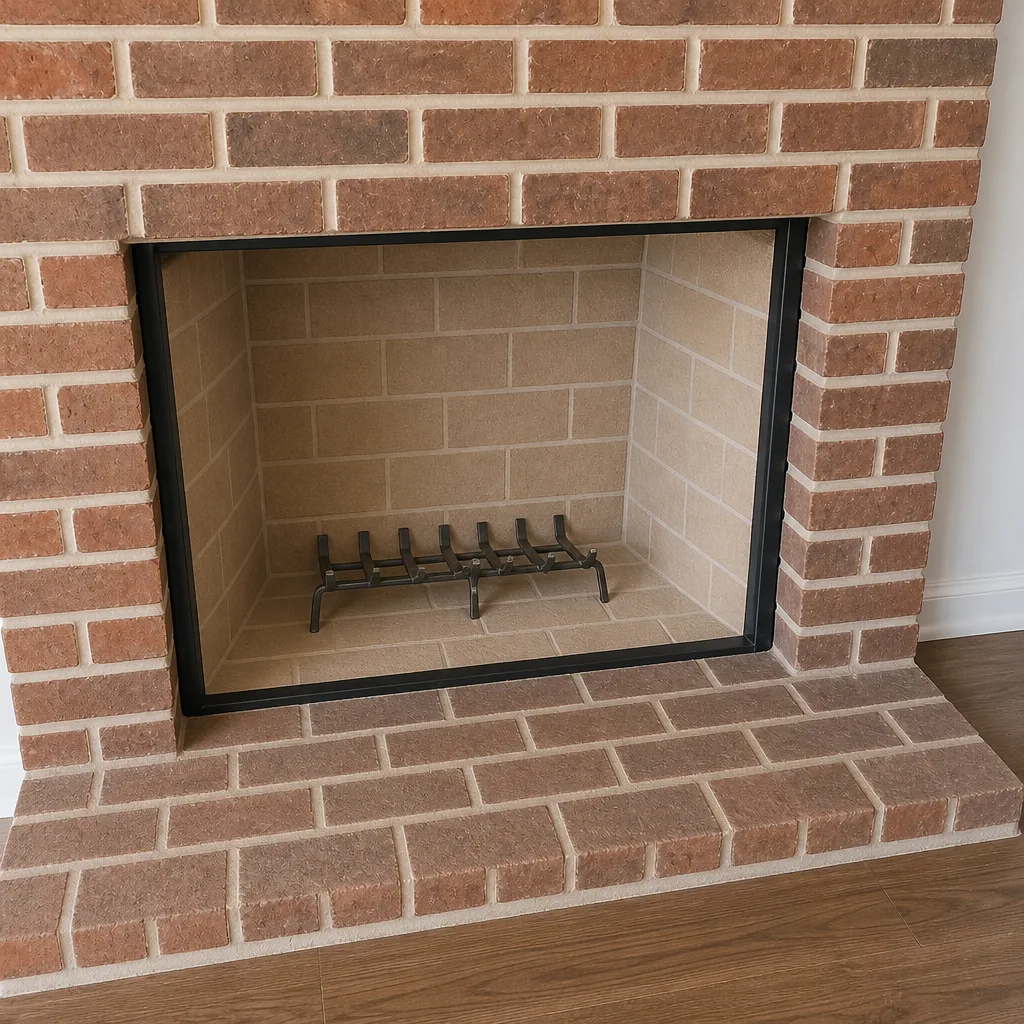
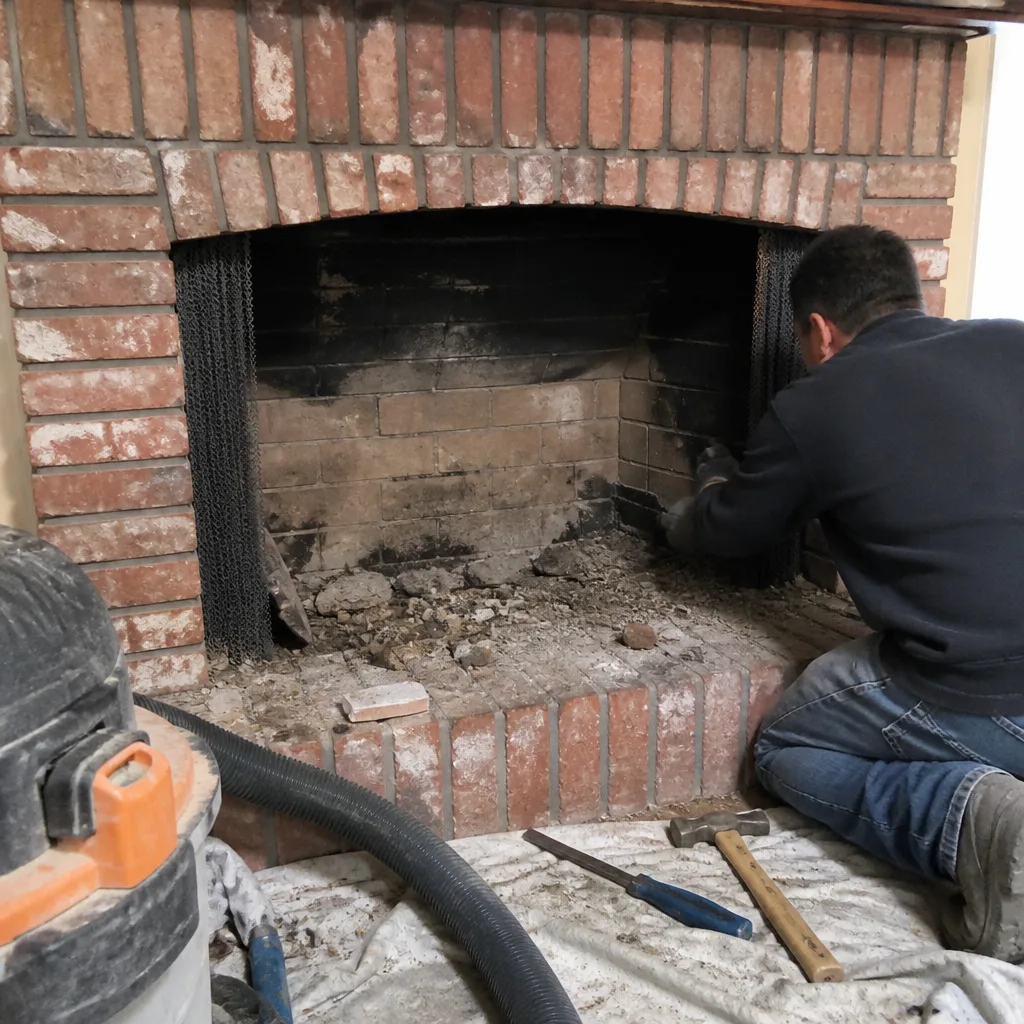
See the difference
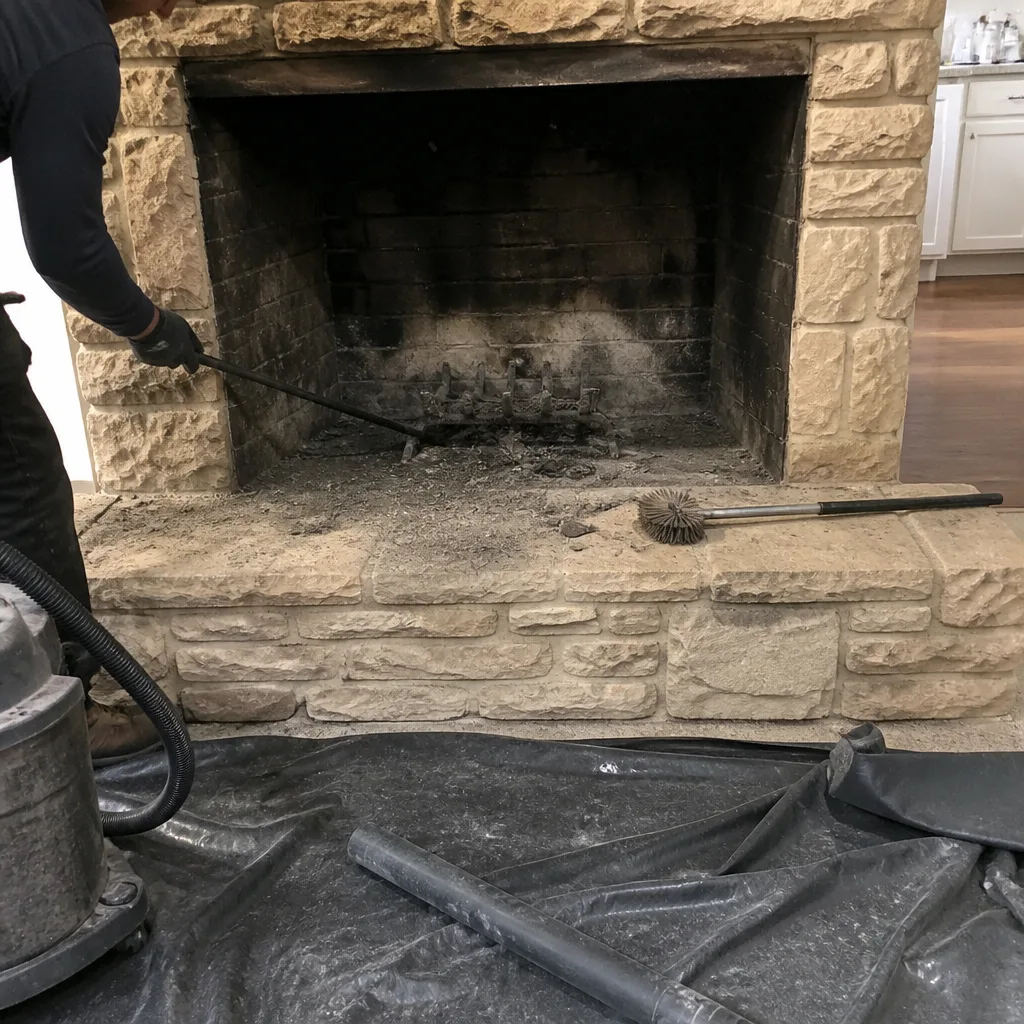 Before
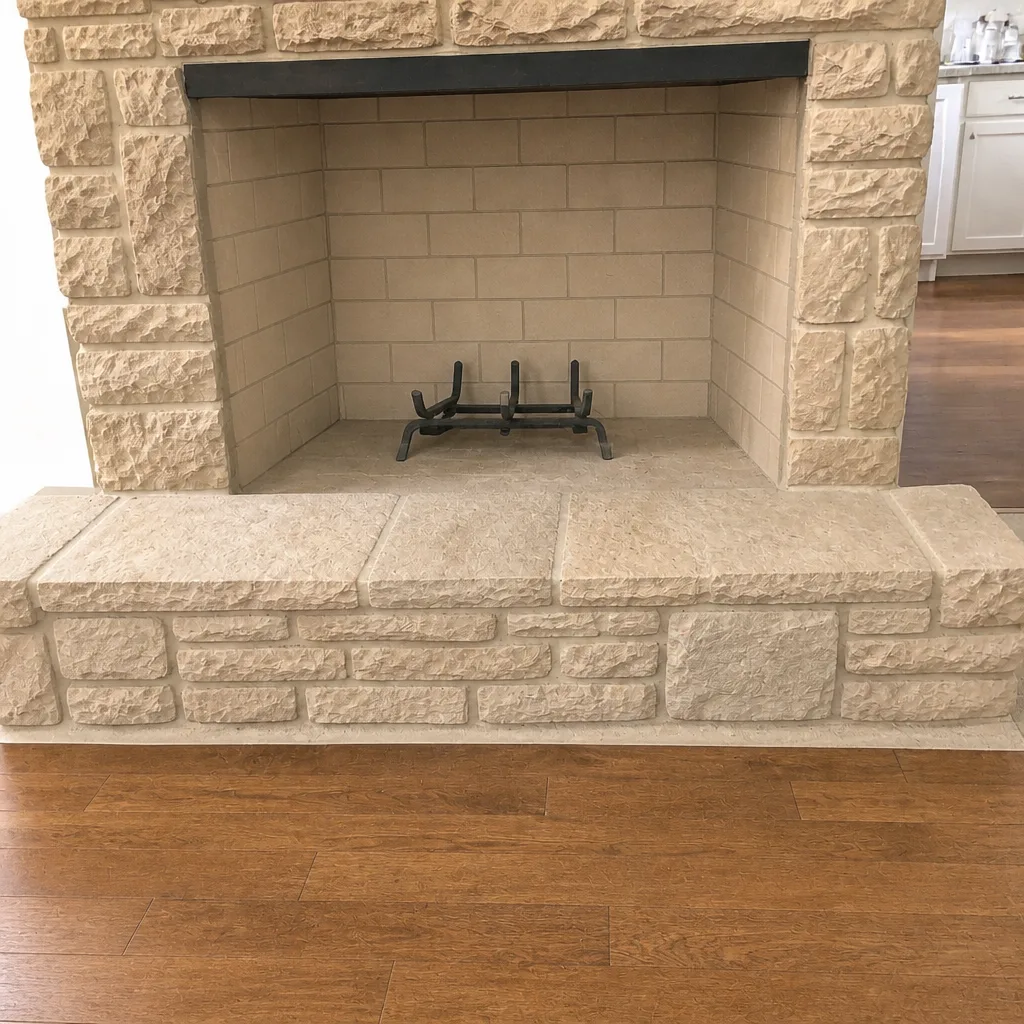 After
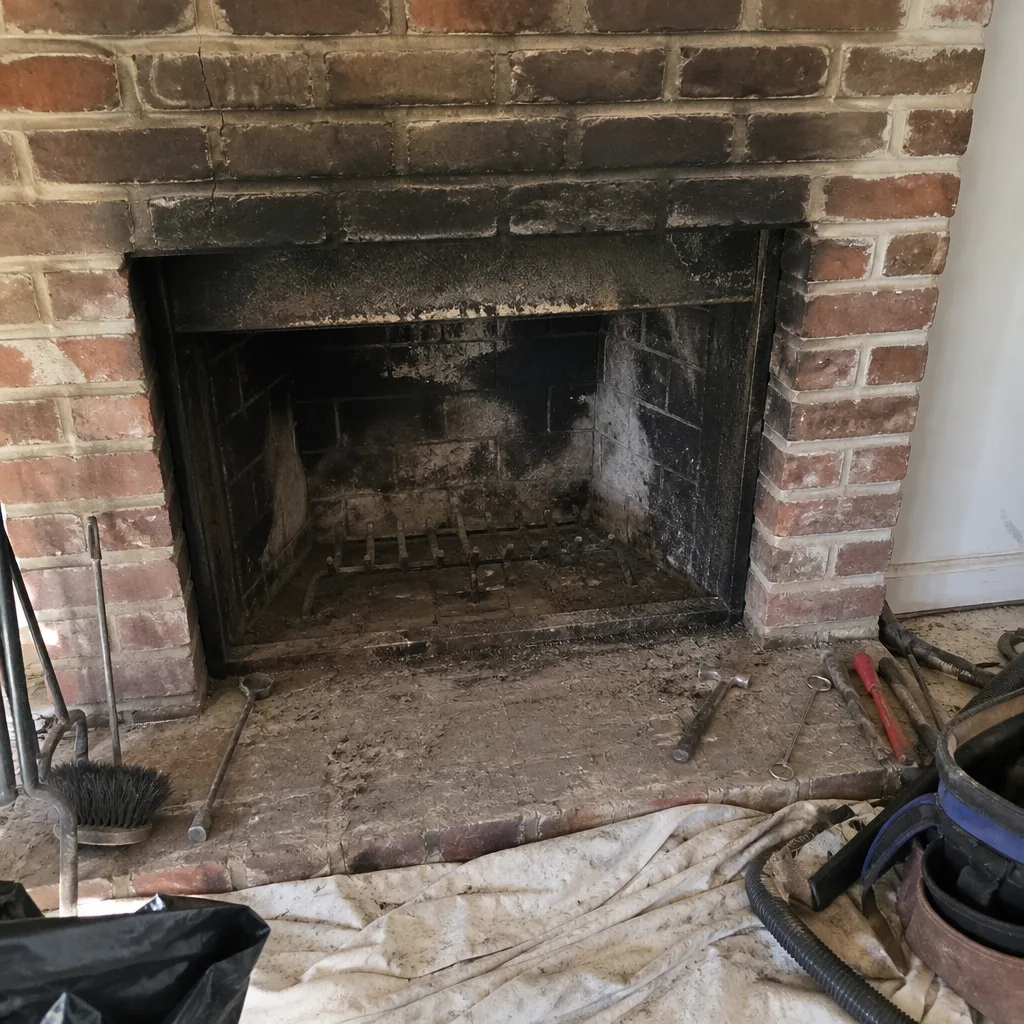 Before
 After
 Before
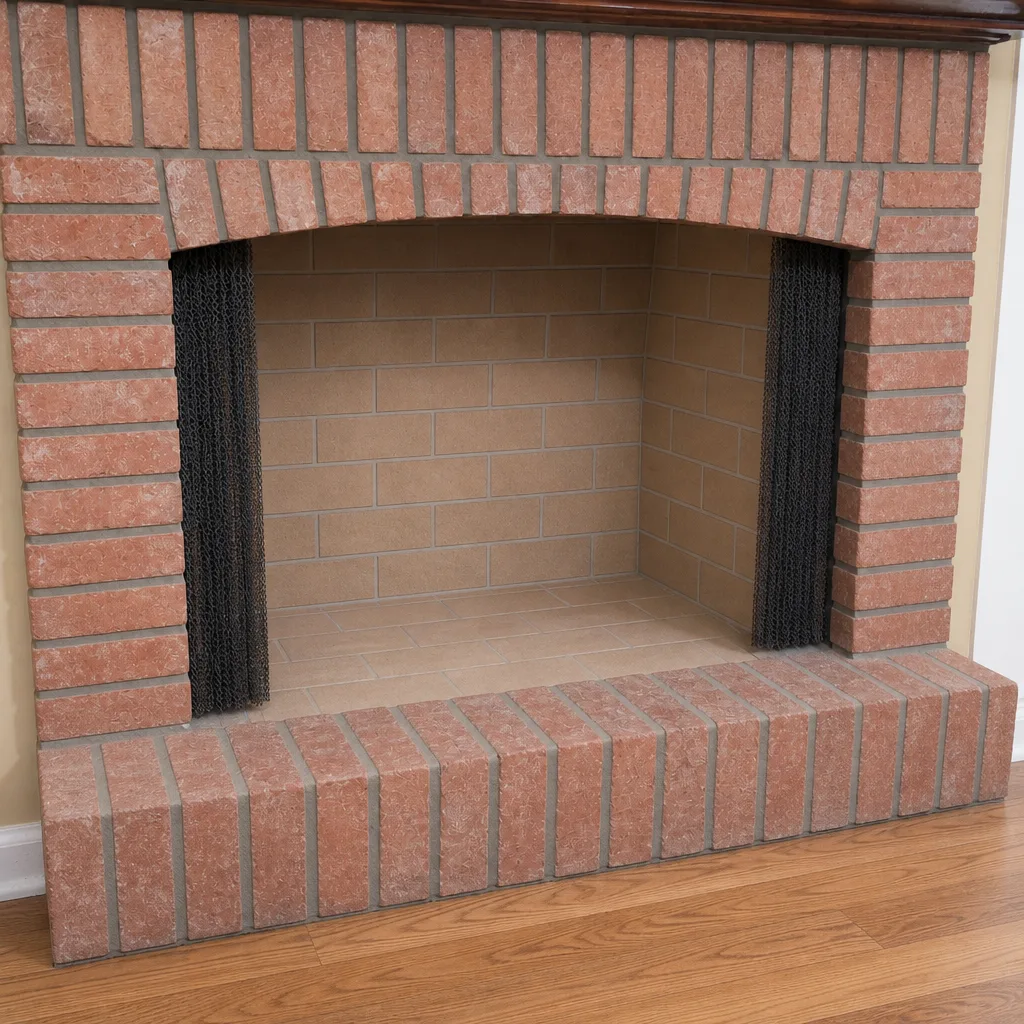 After
When to Call a Professional
Some things you can watch yourself. Some need a trained eye, and a few are genuinely risky to ignore. Call a professional for any of the following: smoke that rolls into the room instead of going up the flue; a strong smoky smell inside the house when the fireplace is cold; any sign of water in the firebox or staining on the chimney; a cap that’s loose, rusted, or missing its screen; visible cracks in the crown or crumbling mortar; a fire that’s harder to start or burns dirtier than it used to. High-tension springs, electrical work, and gas lines are not homeowner jobs, and neither is climbing to inspect a steep roof. The flue itself is the dangerous part to guess at, because a damaged liner lets heat and gases reach the structure. Chimney Sweep Anaheim Hills offers free estimates in Anaheim Hills. Call (833) 468-5933. We answer 24/7. Fast dispatch from 7am to 7pm, Sunday through Friday. A call outside dispatch hours is booked into the next opening.
Frequently Asked Questions
For a fireplace you use regularly, once a season before you start burning is the right rhythm, and your log helps confirm it. A heavily used fireplace, or one burning wet wood, needs attention sooner; a well-maintained one with dry wood may go a full season comfortably. The visit should include an inspection of the liner, cap, and crown, not just a brushing. Call (833) 468-5933 for a free estimate on a sweep and inspection. We answer 24/7, with fast dispatch from 7am to 7pm, Sunday through Friday.
Often it can be repaired. A clay liner that’s deteriorated but still structurally sound can frequently be resurfaced from the inside, which is a real alternative to full replacement. HeatShield is the system we use for that kind of restoration. When a liner is too far gone, a flexible stainless liner (DuraFlex) is the standard fix. The deciding factor is what the inspection actually finds, so ask to see the camera evidence before agreeing to either path. Call (833) 468-5933 for a free estimate.
Skipping it mostly means small problems get the time they need to become big ones. Creosote builds up faster than you’d expect, the crown and cap take damage quietly, and a cracked liner can let heat and gases reach the structure without any visible sign until much later. The risk to be honest about is chimney fire and carbon monoxide, both of which a maintained system helps prevent. A regular sweep, inspection, and walkaround are how a homeowner keeps ahead of it. Call (833) 468-5933 for a free estimate.
A sweep is priced per job by a written estimate agreed before the work is scheduled, and the estimate is free. The exact price depends on what’s found: the flue condition, whether a cap or crown needs attention, and whether the fireplace has been used heavily. We set the final price in writing before we book. Call (833) 468-5933 for a free estimate. We answer 24/7. Fast dispatch from 7am to 7pm, Sunday through Friday.
You can and should check the cap and crown from the ground with binoculars or a zoom camera. That’s the cheapest maintenance there is. What you shouldn’t do is climb a steep or high roof to look closely, or get on the chimney to repair the crown. If your walkaround turns up cracks, a loose cap, or a crown that’s pulling away from the flue, that’s the point to call. Call (833) 468-5933 for a free estimate on cap and crown work.
It’s less about “faster” and more about what fails first. The long dry season, strong UV, big day-to-night temperature swings, and the marine-layer moisture that pushes inland on summer mornings combine to attack the crown and mortar joints over time. Efflorescence, UV-bleached mortar, and corroded cap screens are all typical here, and all caught early by a regular walkaround. The fix is usually minor when it’s found early and structural when it’s let go. Call (833) 468-5933 for a free estimate.
The Bottom Line
A real chimney maintenance plan has three layers, and a sweep alone only covers one of them. Do the walkaround every few months to catch cap, crown, flashing, and masonry problems early, which is where Anaheim Hills weather does its first damage. Keep a short written log of how the fireplace behaves; it makes every professional visit more useful. Burn dry wood to slow creosote and liner wear. Then get a full-system sweep and inspection on the interval your usage calls for, and ask for the evidence behind any recommendation. That’s the difference between patching a chimney and maintaining it. When you’re ready, Chimney Sweep Anaheim Hills offers free estimates in Anaheim Hills. Call (833) 468-5933. We answer 24/7. Fast dispatch from 7am to 7pm, Sunday through Friday. A call outside dispatch hours is booked into the next opening. If your fireplace needs service beyond the sweep itself, our fireplace repair service covers that, and our Chimney Sweep Anaheim Hills page has the full overview of what we do. Our technicians have up to 11 years of experience.
Written by the team at Chimney Sweep Anaheim Hills.