
Last updated November 24, 2026
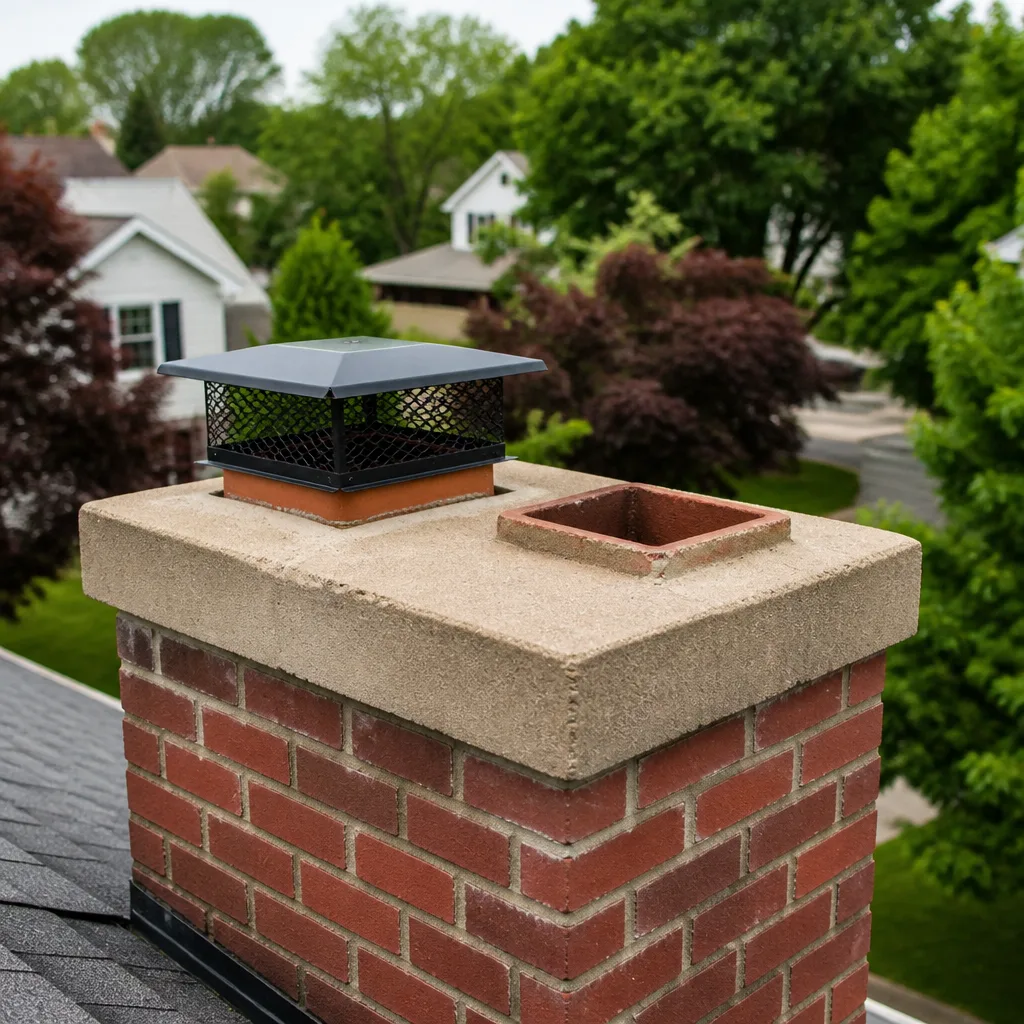 Sweep & inspection
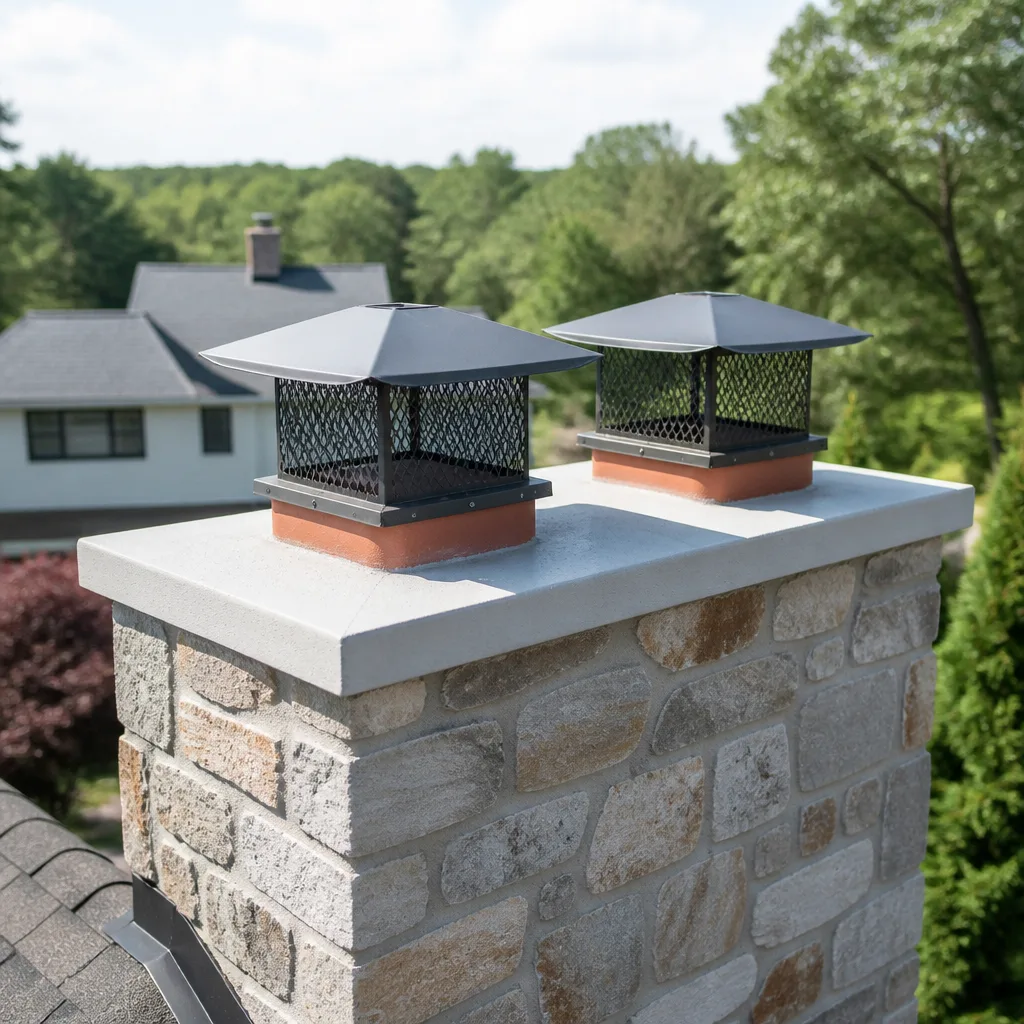 Caps & crowns
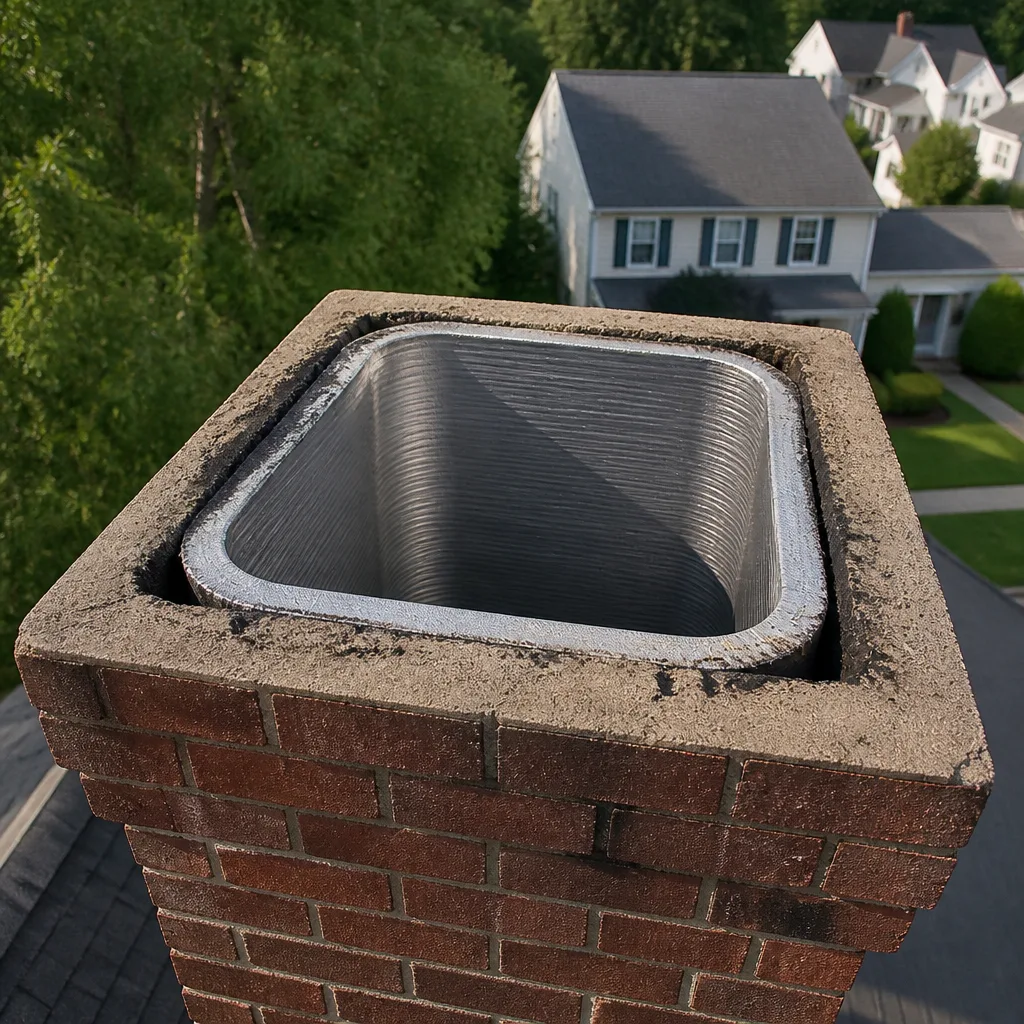 Flue relining
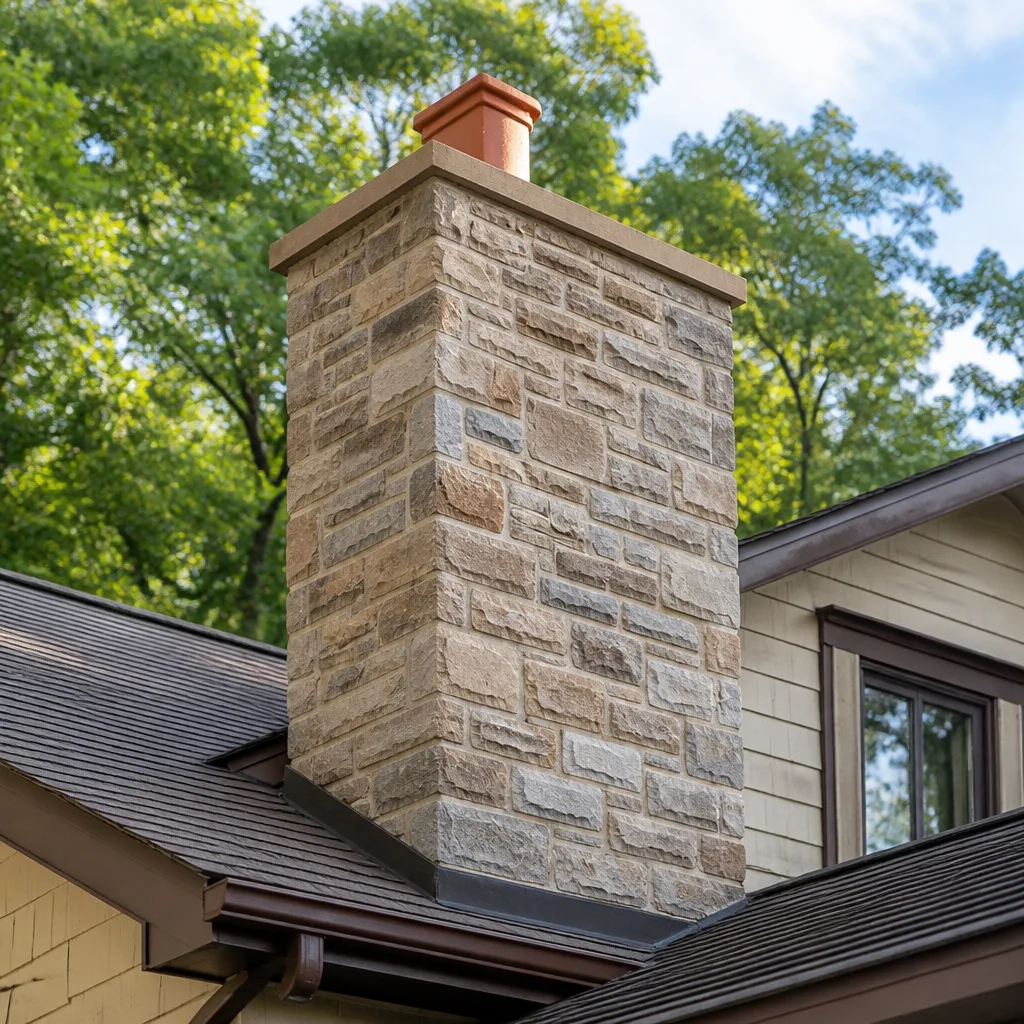 Masonry repair
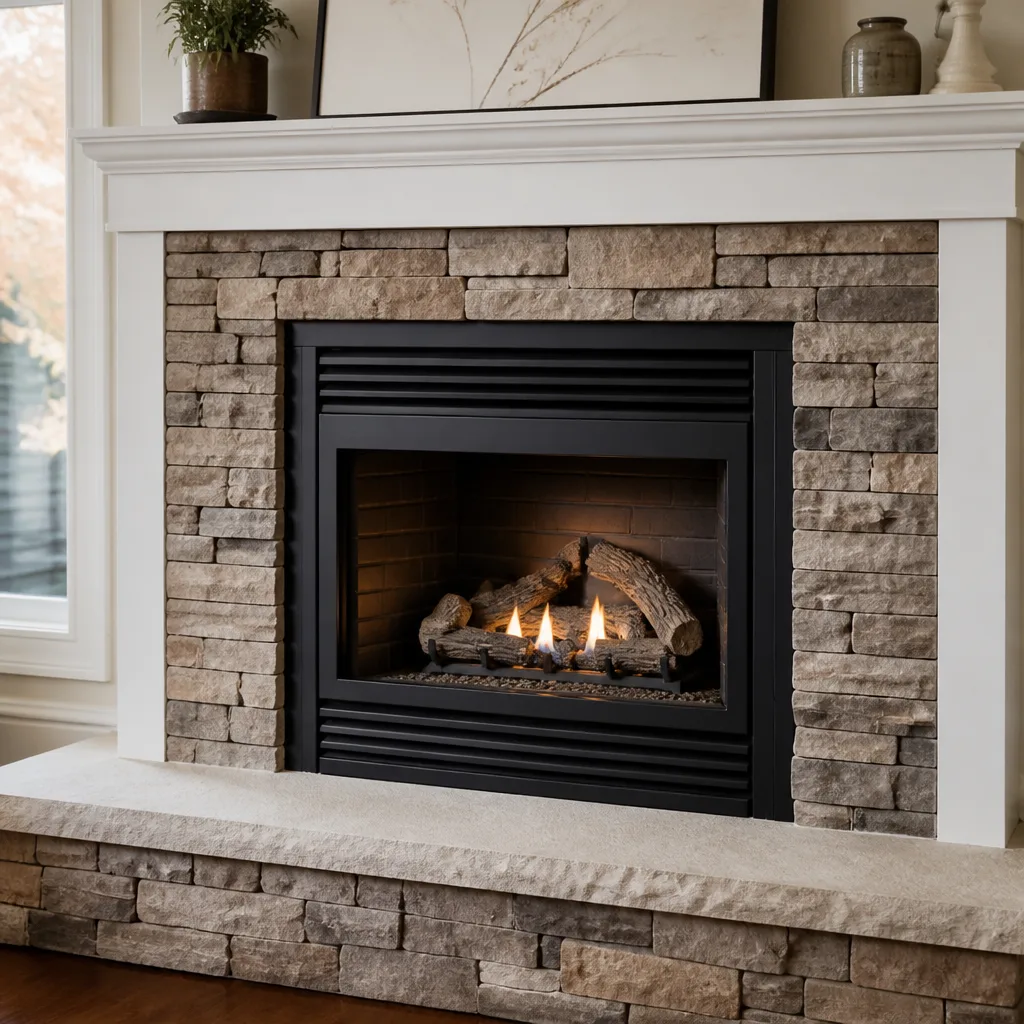 Gas fireplace service
Level 1 sweep and inspection to the NFPA 211 annual standard - flue, crown, cap, and flashing checked and photographed
Chimney sweep logs do not sweep chimneys. They loosen some creosote - which then falls where a brush and vacuum still have to collect it.
Chimney Cleaning Warning Signs: An Anaheim Hills Homeowner’s Reference Guide
Most homeowners scan their chimney for smoke and fire. The trouble is that smoke and fire are the last signals to show up, not the first. By the time you see either, the quieter warnings have usually been there for weeks or months: a chalky stain on the masonry, a rust line near the damper, a faint smell on a windy afternoon. This guide is built around a different idea. Instead of one long checklist, we’ve organized warning signs by system zone, from the firebox to the crown, so you know exactly which part of your chimney is talking to you. You’ll learn what each signal means, how urgently it usually needs attention, and what to photograph so a technician can help you before anyone sets foot on the roof. If you live in Anaheim Hills, some of these signs show up for reasons specific to our foothill setting, and we’ll cover those too.
Quick Answer
The main chimney cleaning warning signs are: a strong or persistent creosote smell, visible soot or flaking tile at the firebox, white mineral staining on exterior masonry (efflorescence), cracked or chipped crown edges, a loose or corroded cap, and a fireplace that smokes, backdrafts or drafts poorly. In Anaheim Hills, the Santa Ana winds and our dry-to-damp seasonal swings make some of these signs appear faster than in cooler climates. Any single sign is worth an inspection, and seeing two or more together usually means it’s time to book one.
Styles & brands we work with
- Sweep & inspection
- Caps & crowns
- Flue relining
- Masonry repair
- Gas fireplace service
Table of Contents
- Why You Notice the Wrong Signals First
- Zone-by-Zone Warning Signs: From Firebox to Crown
- Draft and Odor Signals: Reading the Smell
- Why Anaheim Hills Chimneys Show Specific Signs
- The Timeline: From First Warning Sign to Real Hazard
- What to Photograph Before You Call
- When to Schedule Cleaning and Inspection
- Common Mistakes to Avoid
Why You Notice the Wrong Signals First
Smoke and flames get all the attention because they’re dramatic. But a chimney is a system that fails quietly, and the parts that fail first are usually the ones you never see working. The firebox, the smoke chamber, the flue liner, the crown and the cap each give off early, observable signals. Most homeowners just aren’t taught to look for them.
Think about what smoke actually tells you. Visible smoke spilling into the room means the draft has already failed; it doesn’t mean a fire is dangerous yet. A dark, thin trickle from the top of the firebox can be normal during startup. What matters is a pattern: if your fireplace has started smoking when it used to draw cleanly, or if the smell of creosote hangs in the room after the fire has died, the system has changed. Those are the signals worth acting on.
Here’s the reframe we want you to take away: chimney cleaning warning signs are quiet. They are mineral stains, hairline cracks, soot patterns, faint odors. They are the kinds of things a careful homeowner can spot once they know what to look at. In our experience, the homeowner who notices earlier spends less and stays safer, because trades can fix small things before they become structural. That’s the whole point of a zone-by-zone reference.
One more thing worth saying plainly. A chimney sweep is not a repair job, and a repair job is not a sweep. Cleaning removes soot and creosote from the flue. Inspection tells you what shape everything else is in. If you’re due for that first step, our chimney sweep page explains what a proper cleaning involves and what you should expect to see.
Zone-by-Zone Warning Signs: From Firebox to Crown
A chimney has five working zones, and each one talks to you in a different way. When you inspect your fireplace or walk around the outside of the house, work through them in order. This section is the heart of the guide.
Zone 1: The Firebox
The firebox is the fire-facing box of brick or steel. Warning signs here point to heat damage or water:
- Spalling brick: Faces flaking or pitting, usually from moisture that soaked in and then dried out under heat.
- Rust on a steel firebox or grate: Rust means water is getting in, not that the metal is simply old.
- Eroded mortar joints: Joints receding or turning gritty, which weakens the box and lets heat reach the structure behind it.
- Loose or missing firebrick: Cracked firebrick tiles can let flames touch steel that isn’t meant for direct flame contact.
Spalling and joint erosion are the two most common firebox findings we see in Anaheim Hills, and both usually trace back to moisture intrusion higher up the system.
Zone 2: The Smoke Chamber
The smoke chamber is the angled area just above the damper. It’s hard to see without a camera, but you can often get a hint from below:
- Glazed or shiny black deposits: Especially heavy creosote that has baked onto the walls.
- Offset cracks: Cracking where the corbeled brick work has moved.
- Rough, pitted surfaces: A sign that the chamber lining has begun to break down.
Smoke chamber problems are behind a lot of “my fireplace smokes” complaints. An inspection with a camera confirms what’s happening.
Zone 3: The Flue Liner
The liner is the safety-critical part of the system. Visible clues include:
- Flaking tile at the cleanout: Bits of clay tile collecting at the bottom of the cleanout chamber.
- Chips of tile visible from the firebox: Any tile fragment is worth flagging.
- Creosote buildup inside the flue: Usually visible during a sweep with a camera.
When the liner itself needs work, HeatShield resurfacing can often restore a deteriorating liner without a full replacement, and DuraFlex flexible liner installation is the route when a full relining is the right call. Both are jobs a general sweep can’t do, which is why we handle them as part of full-system care.
Zone 4: The Crown
The crown is the concrete cap at the very top of the masonry. Signs to look for from the ground:
- Surface cracking: Map-cracking across the crown top.
- Chipped edges: Pieces missing where the crown overhangs the chimney walls.
- Moss, staining or a sagging profile: Water is pooling instead of running off.
Zone 5: The Cap
The cap is the metal or masonry cover over the flue opening. Warning signs include:
- Corroded or broken screen: A torn screen lets birds and debris in.
- Displacement or looseness: The cap is off-center or rocking, which usually means its fasteners have failed.
- Rust streaks down the flue exterior: Water is passing the cap and reaching the masonry.
Replacement caps from Famco or Gelco are the standard fix, and our chimney cap & crown page goes deeper on what to look for and what replacement involves.
Draft and Odor Signals: Reading the Smell
Odors are some of the earliest warning signs, and they tend to tell you which part of the system is struggling. If you’ve ever walked past your fireplace on a warm day and caught a smell, you already know what this means. Learn to identify the three main categories and you’ll be ahead of the curve.
Mildew or damp earth smell
A musty, basement-like smell is usually moisture. Water has entered the chimney through the crown, cap, or masonry and is now sitting in the flue or behind the walls. In Anaheim Hills this often shows up after our autumn and winter rain patterns, when the system is wetter than the fireplace has been. Any persistent mildew smell should be treated as a moisture question first.
Strong, acrid creosote smell
A harsh odor that resembles tar or burnt wood, especially on warm days or when the fireplace isn’t running, points to creosote deposits in the flue. Creosote forms whenever wood burns, but a strong smell from a fireplace that isn’t actively burning usually means buildup is heavier than it should be. This is one of the clearest signs a cleaning is due.
Sulfur smell (rotten egg)
If your fireplace shares a chimney with a gas appliance (a furnace or water heater venting into the same structure), a sulfur smell can point to a venting or backdraft issue. This is a genuine safety signal. Stop using the fireplace and have the whole system checked. Do not treat it as cosmetic.
Draft problems often show up as smells too. If smoke drifts back into the room on windy days, or the fire struggles to stay lit, the flue isn’t pulling the way it should. On the windswept days we get here, that pattern often points to a design or blockage issue rather than a problem with your wood.
Why Anaheim Hills Chimneys Show Specific Signs
Anaheim Hills has a climate that’s hard on masonry in ways inland homeowners don’t always see. The Santa Ana winds funnel dry, fast-moving air through the foothills. Winds like that can create negative pressure at the top of a chimney, which pulls smoke back down rather than up. Over time, repeated backdraft patterns leave their mark as dark, uneven smoke staining on the exterior of the chimney and around the firebox opening. If you’ve noticed a shadowy discoloration pattern on one side of the stack, wind is part of the story.
Then there’s the moisture cycle. Our autumn and winter rain soaks into masonry and mortar joints. The warm, dry stretches between storms pull that moisture back out. This wet-dry cycling is what turns clean mortar joints gritty and causes the white mineral trail you see on the exterior of many Anaheim Hills chimneys. That stain is called efflorescence, and it’s the first warning sign on this whole list we’d want a homeowner to recognize. It isn’t a paint problem, a bird problem or a cosmetic issue. It’s water leaving mineral deposits on its way out of the masonry, which means water has been moving through it long enough to have made the trip more than once.
Fireplace use here also matters. Cooler foothill evenings draw heavy fireplace usage from late fall through early spring, and that’s enough burn volume to build creosote deposits worth checking. Homes older than roughly twenty years often still have original clay tile liners, and clay tile can crack. That’s exactly the situation where full-system care makes a difference. If your fireplace is showing spalling or erosion, our fireplace repair page covers what we look at inside the firebox. Taken together, the Anaheim Hills climate gives us a signature set of warning signs: efflorescence on the chimney’s face, dark backdraft staining on one side, and firebox spalling that shows up faster than in cooler, wetter climates.
The Timeline: From First Warning Sign to Real Hazard
One of the most useful things you can know is how urgently a given warning sign needs attention. Not every sign is a this-week problem. Some run for months before anything is at risk. Here’s a realistic urgency framework for the five most common chimney failures we see. Timeline estimates are typical, not guarantees, and an inspection is what tells you where your chimney actually sits.
- Efflorescence (water in the masonry). Often observable for six to twelve months before the water reaches the fireplace interior. Actionable: book an inspection within the season, especially before the first autumn rain.
- Crown cracking and edge chipping. Usually visible for one to two seasons before underlying masonry starts to soften. Actionable: schedule crown work in the off-season before it becomes structural.
- Cap displacement or screen corrosion. Can go from “loose” to “gone” in a single wind event. Actionable: flag this the week you see it, because the next Santa Ana wind can finish the job.
- Creosote buildup. Ranges from one season to several, depending on burn volume. Actionable: sweep before the next burn season if you’re on a regular cleaning schedule, or sooner if the smell is strong.
- Liner damage (flaking tile, interior cracks). The most urgent of the five. Once the liner is failing, heat and combustion gases can reach the surrounding structure. Actionable: stop using the fireplace and book an inspection now.
The pattern is simple. Exterior water damage and crown wear run on a slow clock. Creosote and liner damage run faster, and a loose cap can turn into real trouble with the next strong wind. Efflorescence is your best early-warning signal for the slow category, and the smell of creosote in a fireplace that isn’t burning is your best signal for the fast one.
We want to say one thing plainly. A warning sign is not a diagnosis, and it’s never a reason to tear out masonry on guesswork. A sweep with camera inspection and a photo report shows you exactly what’s happening inside the flue and where the water is coming from. If a repair can safely wait until next season, that’s exactly what you should hear.
What to Photograph Before You Call
Photographing warning signs is the single best way to shorten the conversation with a technician. Done right, it lets a professional triage the call by phone and decide whether the visit is a cleaning, an inspection, or a repair. Here’s the sequence to follow:
- Step back and photograph the whole chimney from the ground. Include the roofline so its position and the surrounding structure are clear.
- Zoom in on the crown. Get one photo of the top from a slight angle and one of the edges, ideally on a clear day with even light.
- Photograph the cap and screen. Show any rust, corrosion or displacement.
- Photograph any staining on the masonry. Include the white, chalky efflorescence and any dark backdraft staining so the pattern is visible.
- Photograph the firebox. Show the interior walls, the damper area and the base of the flue opening. Get close enough that spalling and joint erosion show.
- Photograph the cleanout door opening. Include any debris or tile flakes at the bottom.
- Note the smell. You can’t photograph an odor, but write down whether it’s musty, creosote-like, or sulfur-like. That one line often narrows the diagnosis before anyone arrives.
Send those photos when you call and the technician has a working hypothesis before the visit. That’s not a substitute for a camera inspection, but it’s the difference between a good conversation and a blind one.
When to Schedule Cleaning and Inspection
The seasonal rhythm in Anaheim Hills pushes homeowners one way: get the work done before the burn season starts, not in the middle of it. Cooler evenings arrive in late fall, and that’s when fireplace use ramps up. Sweeping and inspecting beforehand means you’ll know the system is ready when you first light it, and any repairs found can be scheduled before you’re relying on the fireplace.
- Late summer to early fall: the ideal window for a sweep and inspection. Warm days make it easy to let the system dry after cleaning and any minor repairs.
- Right after the first big rain: a good time to check the exterior for new efflorescence, a bucket’s worth of water in the firebox, or a cap that shifted in wind.
- After any notable Santa Ana wind event: check the cap and screen visually from the ground. If anything looks loose or missing, book a visit.
- Any time the smell changes: strong creosote or sulfur odors are always worth a call, regardless of season.
If your fireplace hasn’t been serviced in more than a year, or if you’ve never had a camera inspection of the flue, start with the main Chimney Sweep Anaheim Hills page. It walks through our five core services – sweep, inspection, cap and crown, chimney repair, and fireplace repair – and explains how we approach full-system care from the firebox to the crown. One contractor, every component, is the idea. Instead of piecing together a sweep, a mason and a cap installer from separate companies, you get one point of accountability for the whole system.
Common Mistakes to Avoid
- Assuming no smoke means no problem. Smoke is the last signal in this list, not the first. A clean-burning fireplace can still have a cracked liner or a water-logged crown underneath it.
- Treating efflorescence as a cosmetic stain. White mineral trails on Anaheim Hills chimneys aren’t there by accident. They’re water’s calling card, and painting over them traps the moisture and makes the problem worse.
- Skipping the camera inspection. A sweep without a look inside the flue is like a checkup without a listen to the heart. Ask for a camera inspection and a photo report so you can see what the technician sees.
- Ignoring a strong smell in a fireplace that isn’t burning. Creosote and sulfur smells are both worth a call. The sulfur smell in particular points to a venting issue that shouldn’t wait.
- Replacing a chimney cap with a generic hardware-store cover. A cap that isn’t properly sized and fastened comes off in the next big wind. Famco and Gelco caps are built for the job and fit correctly.
- Calling a full relining job when resurfacing would do. HeatShield resurfacing can restore a deteriorating liner at less cost than a full replacement. A good specialist should tell you which is right for your chimney, not which is more expensive.
- Letting the firebox go unexamined. Spalling brick and eroded mortar joints inside the firebox are easy to miss and often the earliest sign that water is reaching the interior of the system.
See the difference
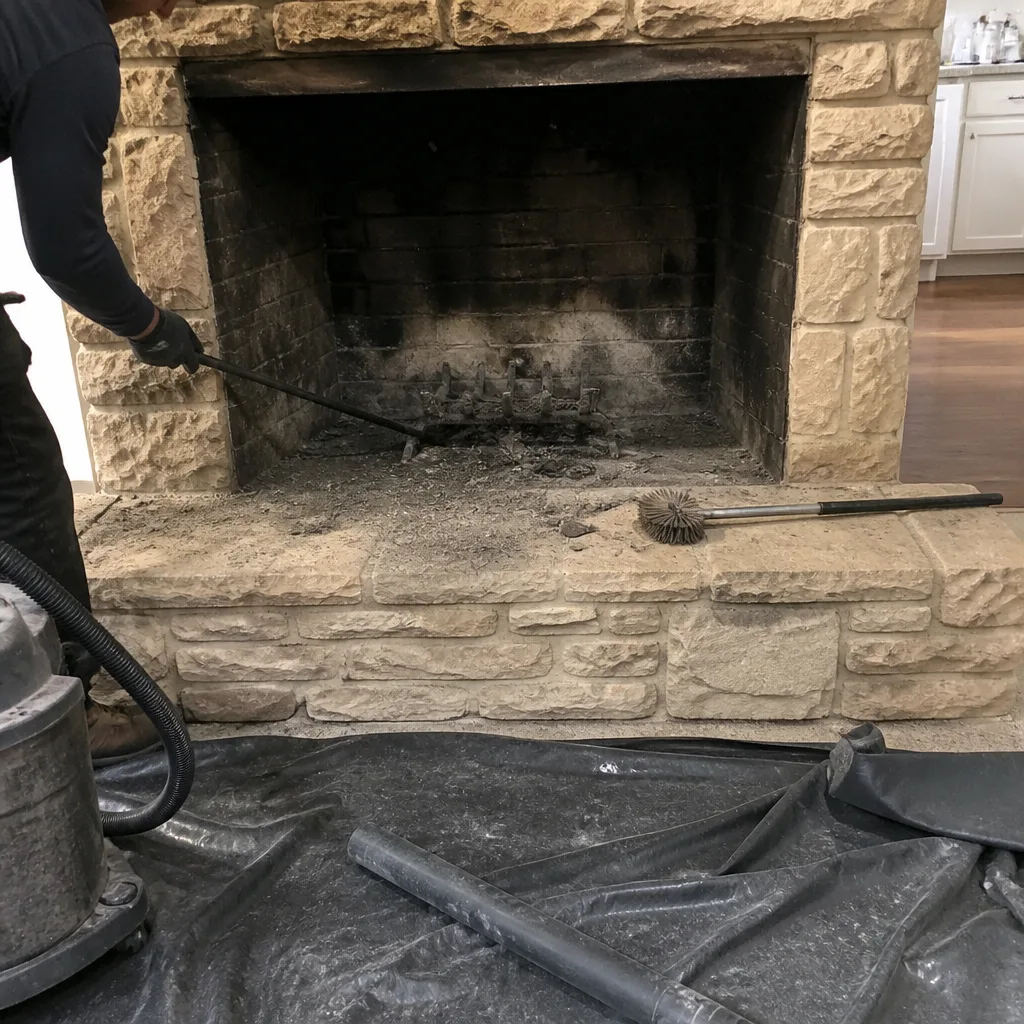 Before
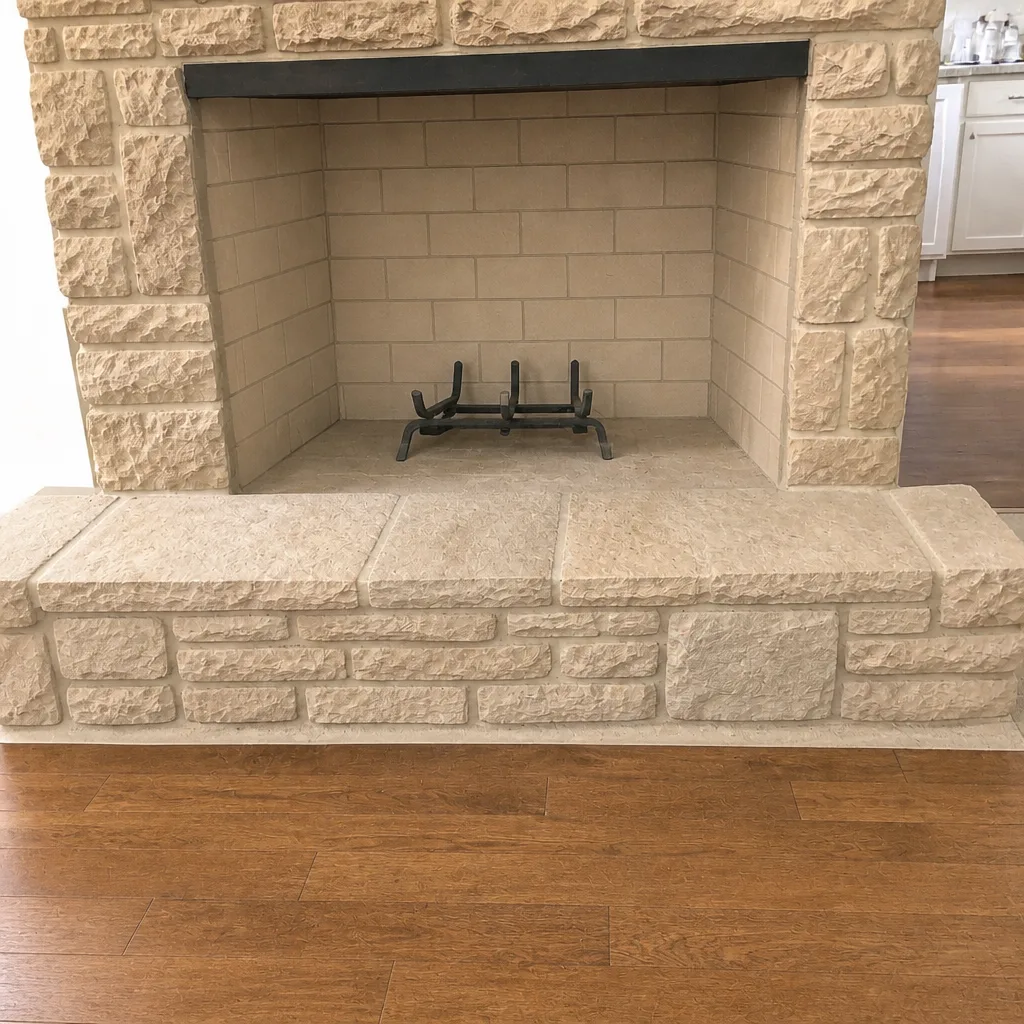 After
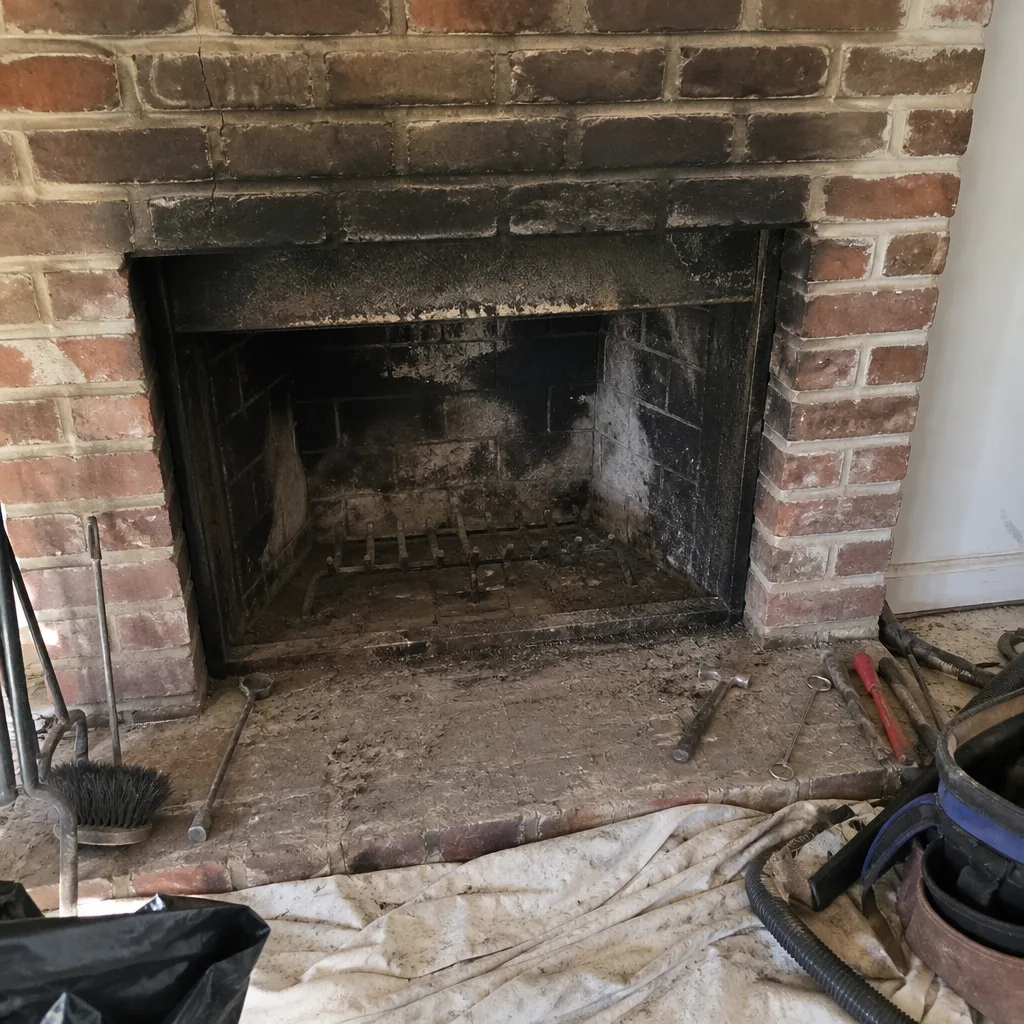 Before
 After
 Before
 After
When to Call a Professional
Call a professional if you see flaking tile at the cleanout, cracks or chips in the crown, a displaced cap, spalling brick in the firebox, or any efflorescence on the exterior. Call sooner if you smell sulfur, if your fireplace has begun smoking when it used to draw cleanly, or if you can’t remember the last time the flue was inspected. When you call us, we work with vetted local professionals who carry the trade-grade materials this work depends on: DuraFlex and HeatShield for liner work, Olympia Chimney and Copperfield for firebox and system components, and Gelco and Famco for caps. Estimates are free, and the price is set per job by the written estimate. You’ll see the camera inspection results with photo documentation before any work is recommended, and if a repair can safely wait, we’ll tell you that. Chimney Sweep Anaheim Hills offers free estimates in Anaheim Hills – call (833) 468-5933. We answer 24/7. Fast dispatch from 7am to 7pm, Sunday through Friday.
Frequently Asked Questions
For a regularly used fireplace, plan on a sweep once a year, ideally before the burn season starts in late fall. Heavy burn volume, or wood that isn’t well seasoned, can call for a check sooner. Call (833) 468-5933 for an exact quote – estimates are free.
Yes. The white, chalky stain is efflorescence, and it means water is moving through the masonry from the inside out. It’s been happening long enough to leave a mineral trail, so it’s a moisture question worth an inspection. Call (833) 468-5933 for an exact quote – estimates are free.
It usually means creosote deposits in the flue are heavy enough to smell on warm days even without a fire. That’s a clear signal a cleaning is due, especially ahead of the burn season. Call (833) 468-5933 for an exact quote – estimates are free.
Cleaning removes soot and creosote; it doesn’t fix a failing liner. If a camera shows flaking tile or interior damage, the liner is a separate repair – and depending on how far it’s gone, HeatShield resurfacing may be enough without a full relining. Call (833) 468-5933 for an exact quote – estimates are free.
On windy days, especially with Santa Ana wind patterns, negative pressure at the top of the chimney can pull smoke back down. Repeated backdraft also leaves dark, uneven staining on the exterior. A technician can check the cap, screen and smoke chamber to find the cause. Call (833) 468-5933 for an exact quote – estimates are free.
Pricing depends on the size of the flue, the condition of the system and whether an inspection or repair is involved. We set the price per job by a written estimate, and estimates are free. Call (833) 468-5933 for an exact quote – estimates are free.
Skipped cleaning means creosote keeps building, and heavy creosote deposits are a real chimney fire risk. A cracked crown or loose cap also lets water keep moving into the masonry, which slowly weakens the structure. None of this is urgent tomorrow, but it compounds. Call (833) 468-5933 for an exact quote – estimates are free.
The Bottom Line
Chimney problems give you warning signs long before anything is dangerous. The trick is knowing which zone to look at and what each sign really means. Watch the firebox for spalling and joint erosion, the smoke chamber and liner for flaking tile, the crown for cracking, and the cap for corrosion or displacement. Learn the difference between musty, creosote and sulfur smells. In Anaheim Hills, Santa Ana wind backdraft staining and moisture cycling on the masonry are the two patterns that show up here more than elsewhere. If you see more than one warning sign, or if you simply can’t remember your last inspection, call us. We answer 24/7. Fast dispatch from 7am to 7pm, Sunday through Friday.
Tired of guessing what your chimney is telling you? Call Chimney Sweep Anaheim Hills at (833) 468-5933 for a free estimate. We’ll inspect first, show you exactly what the camera sees, and repair right only what actually needs it – from the firebox to the crown.
Written by the team at Chimney Sweep Anaheim Hills.