
Last updated November 24, 2026
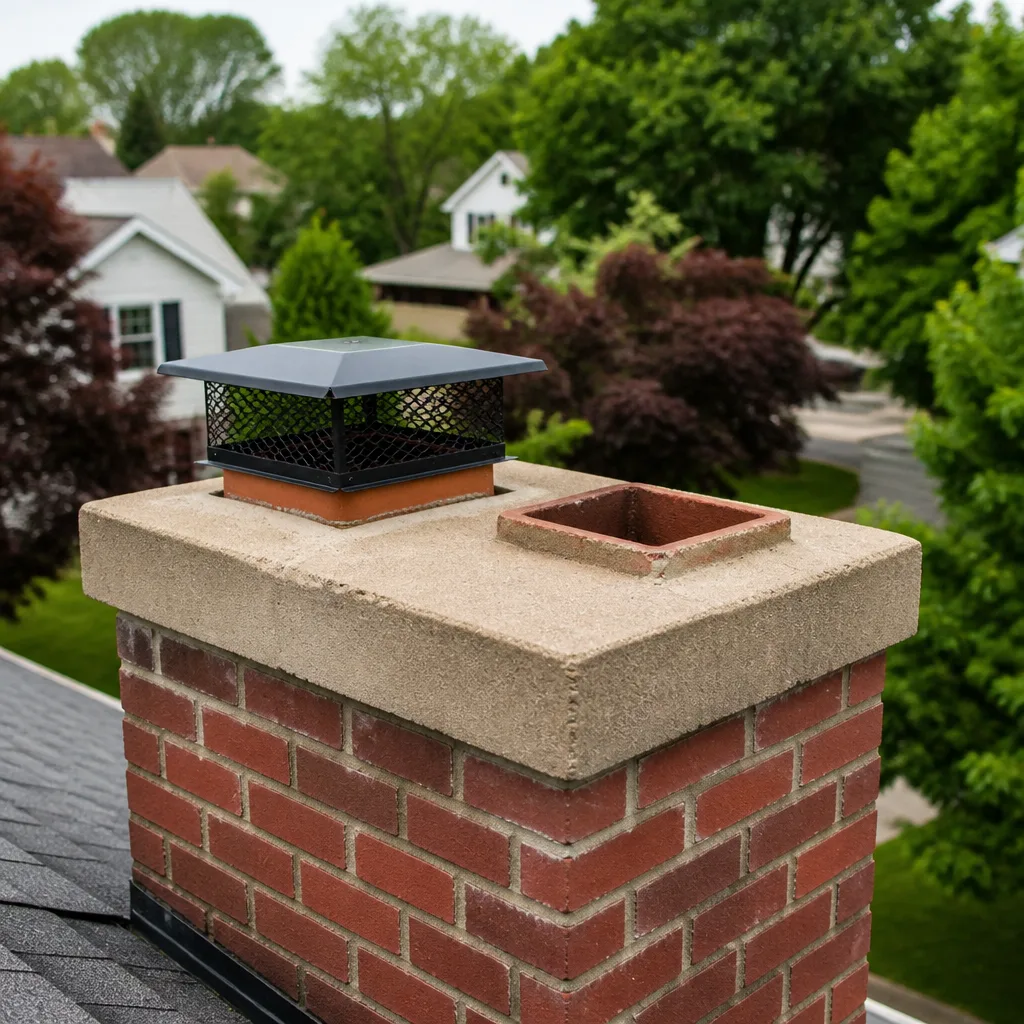 Sweep & inspection
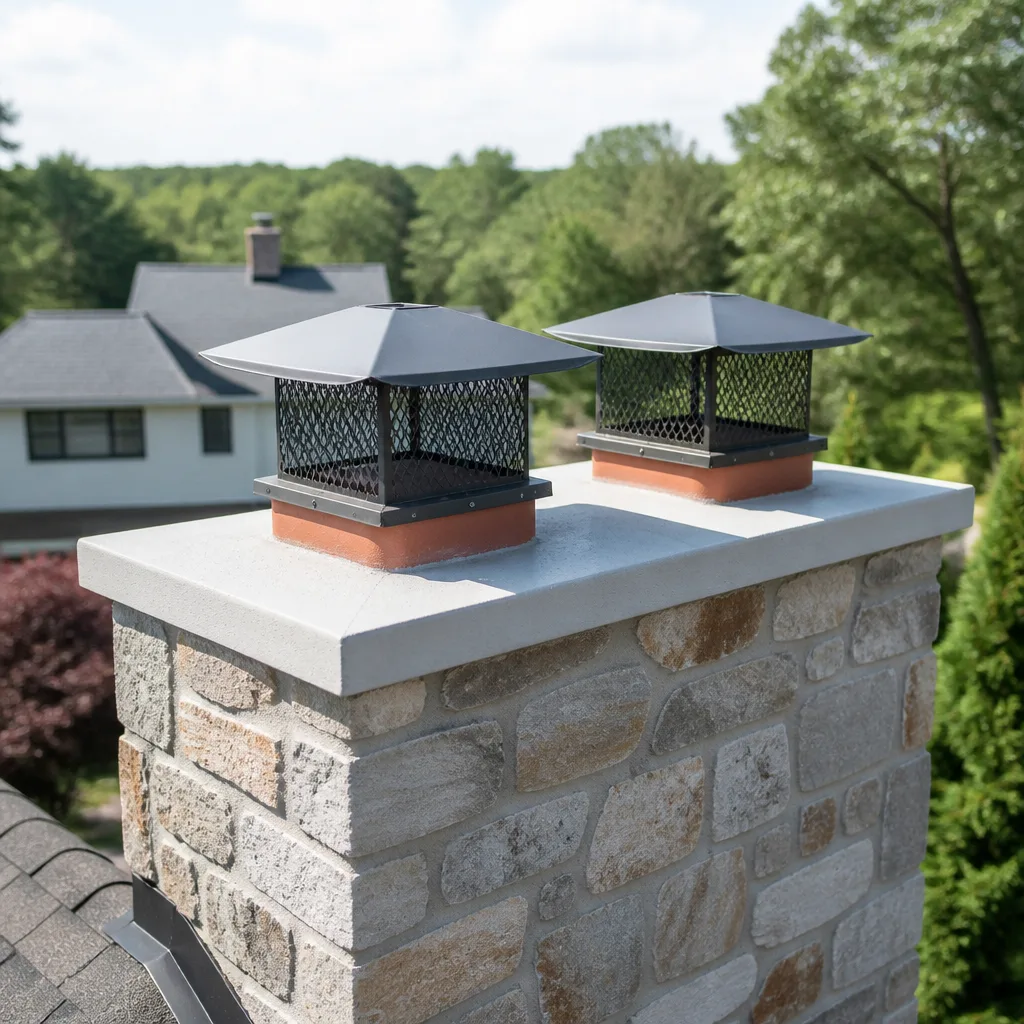 Caps & crowns
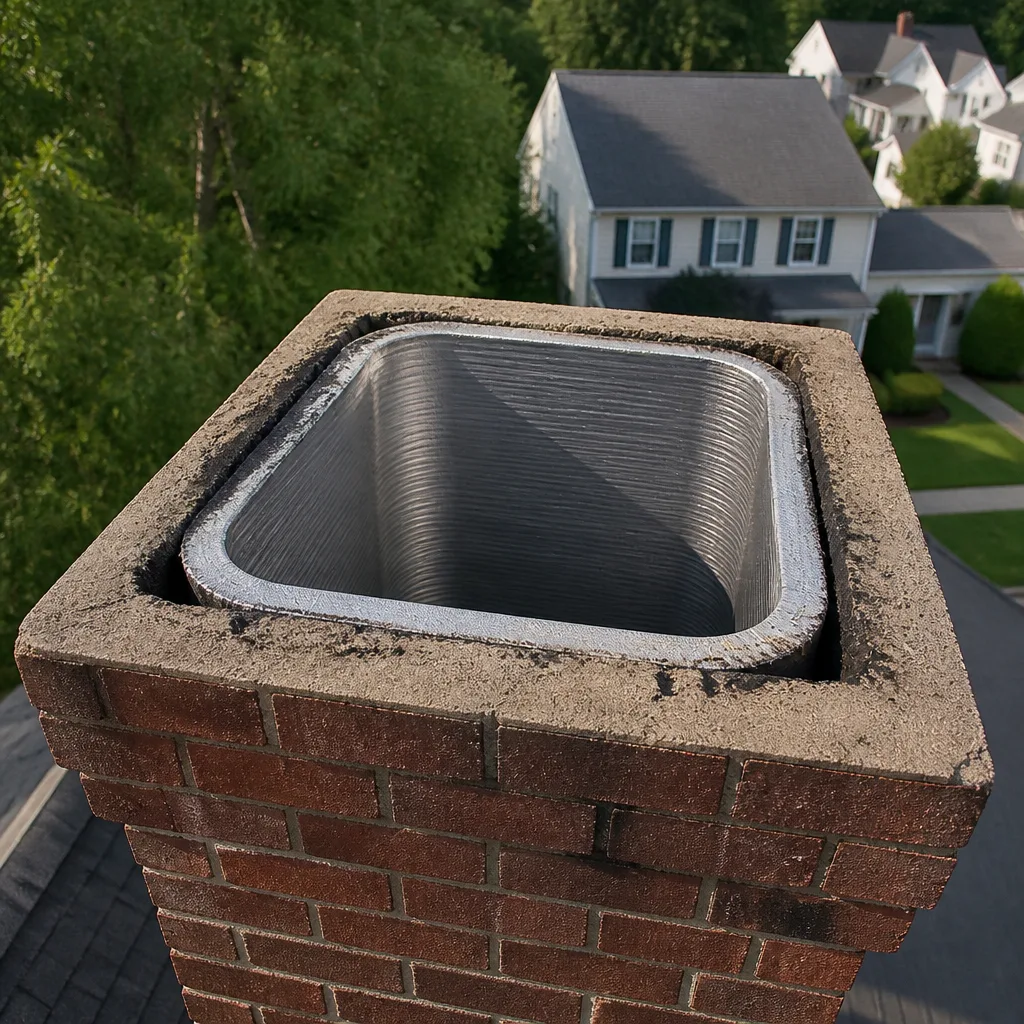 Flue relining
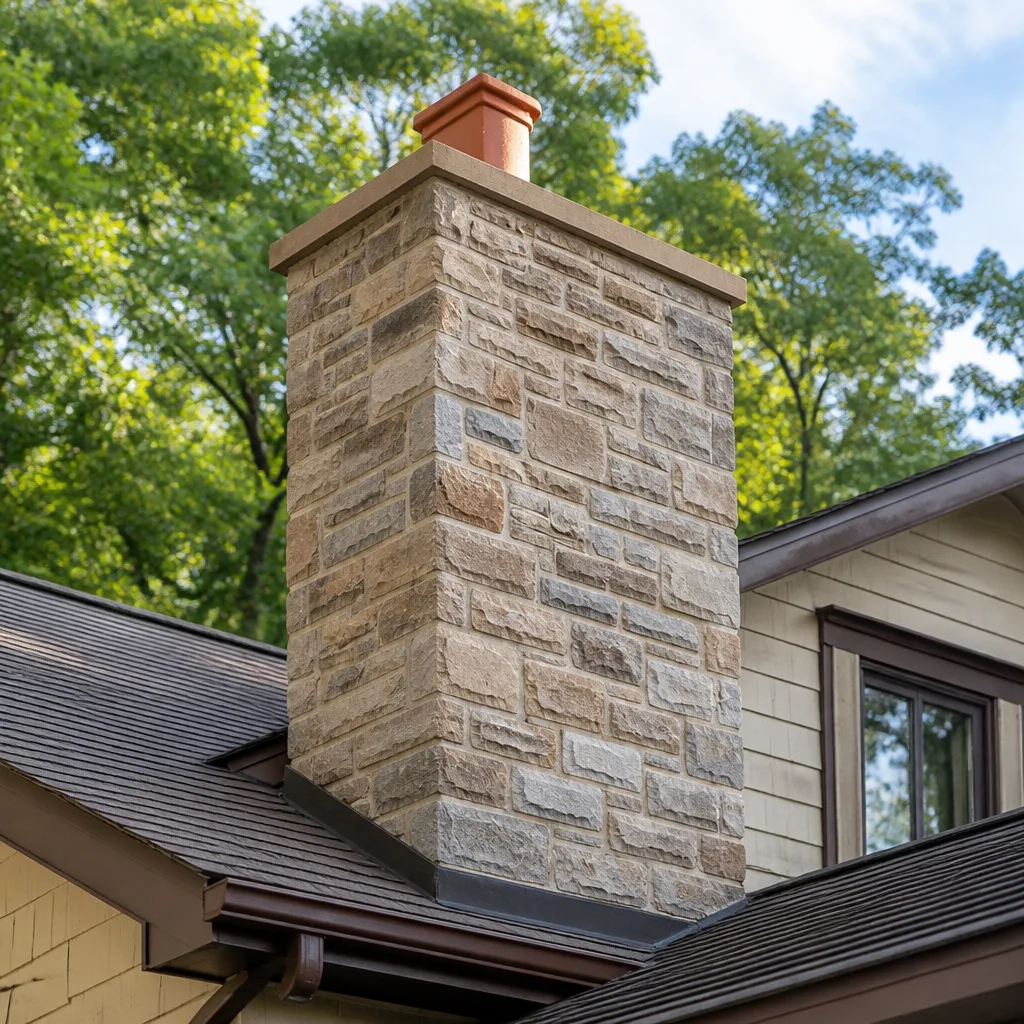 Masonry repair
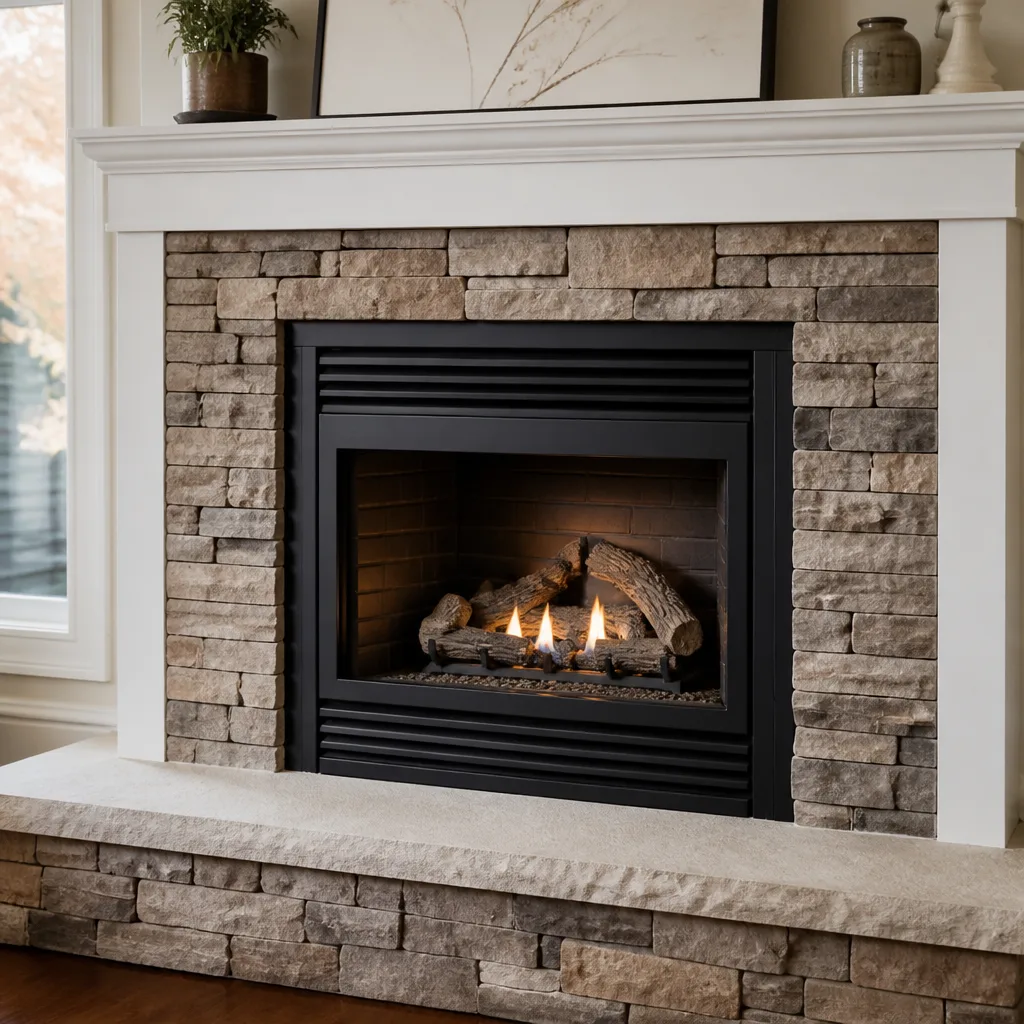 Gas fireplace service
Level 1 sweep and inspection to the NFPA 211 annual standard - flue, crown, cap, and flashing checked and photographed
Chimney sweep logs do not sweep chimneys. They loosen some creosote - which then falls where a brush and vacuum still have to collect it.
Chimney Cleaning Emergency Preparedness Guide for Anaheim Hills Homes
Most homeowners treat a chimney fire as a freak event. In Anaheim Hills, it rarely is. The conditions that turn a routine evening fire into a 2 a.m. emergency are set weeks in advance: glazed creosote left from a cool-burning season, a cap loosened by a Santa Ana wind event nobody inspected afterward, a liner that cracked quietly behind a gas log insert. By the time the smoke alarm sounds, the outcome is mostly decided. This guide connects each chimney emergency common to Anaheim Hills to the specific maintenance gap that causes it, so you can fix the cause instead of reacting to the result.
Quick Answer
The three chimney emergencies most likely to hit an Anaheim Hills home are a chimney fire from glazed creosote, carbon monoxide migration through a cracked liner on an aging gas insert, and cap or crown displacement during a high-wind event. Each is preventable with pre-season work done before the first fire of the year: rotary cleaning for glazed deposits, carbon monoxide detector placement near the fireplace, and a fastener and cap inspection before October. Inspect first, repair right, and most of these calls never happen.
Styles & brands we work with
- Sweep & inspection
- Caps & crowns
- Flue relining
- Masonry repair
- Gas fireplace service
Table of Contents
- The Three Chimney Emergencies We See Most in Anaheim Hills
- Pre-Season Preparation That Actually Reduces Emergency Risk
- The First 10 Minutes of a Suspected Chimney Fire
- Post-Santa Ana Wind Inspection Protocol
- Carbon Monoxide and Aging Gas Log Inserts
- How to Document Chimney Condition for an Insurance Claim
- Why Timing Your Cleaning Matters in Anaheim Hills
- Common Mistakes to Avoid
The Three Chimney Emergencies We See Most in Anaheim Hills
Chimney emergencies aren’t random. In this part of Orange County they cluster into three recognizable patterns, and each one maps to a maintenance gap you can close before the season starts. Knowing which one your home is set up for is half the preparation.
1. Chimney fires from glazed creosote
Wood smoke condenses inside the flue as creosote. Burn damp wood or run the fire cool and starved for air, and that creosote bakes into a hard, shiny, tar-like layer called glaze. Glaze is the fuel behind most chimney fires. It ignites at a lower temperature than the powdery creosote a standard brushing removes, and it doesn’t come off with a standard brush. In Anaheim Hills, where many homeowners burn store-bought wood that hasn’t fully seasoned, glaze builds faster than people expect.
2. Carbon monoxide migration from cracked liners
A gas log insert vents its exhaust up the same flue a wood fire once used. When that flue liner cracks or the joints between clay tiles open up, exhaust can bleed into the home instead of rising out the top. Carbon monoxide is odorless, so there’s no warning the way there is with smoke. Older inserts with clay-tile liners that were never sized for them are the setups we flag most often.
3. Cap and crown displacement during high-wind events
A Santa Ana wind event pushes gusts that can peel a loosely fastened cap right off the flue and send it into the yard. Once the cap is gone, rain and debris drop straight into the flue, and a missing cap also lets birds and squirrels nest inside. A cracked crown does similar damage more slowly, letting water work into the masonry from the top down. A chimney cap & crown in good condition is the first line of defense for the whole structure below it.
Notice the pattern. All three emergencies trace back to something that could have been caught and corrected during a routine pre-season visit. That’s the thesis of this whole guide: interrupt the pattern early instead of paying for it later.
Pre-Season Preparation That Actually Reduces Emergency Risk
Generic advice tells you to “get it cleaned.” That’s not enough. The preparation that changes your odds is specific to the gap your chimney actually has. Here’s how we’d walk an Anaheim Hills homeowner through it.
Step 1: Book a chimney inspection before the first fire
Late summer or early fall is the window. A proper chimney sweep and inspection before the season tells you what’s inside the flue before you rely on it. We look at the firebox, damper, smoke chamber, flue liner, cap and crown so nothing gets missed. If your last service was years ago, this is the one thing not to skip.
Step 2: Use rotary cleaning for glazed deposits
Powdery creosote brushes off. Glaze doesn’t. Removing glaze takes rotary cleaning, which spins a set of whips or chains through the flue to grind the hard layer back to bare liner surface. A sweep-only company using a hand brush will leave glaze where it is. If your technician can’t tell you how heavy the deposit was and what they did about it, ask.
Step 3: Place carbon monoxide detectors relative to the fireplace
Put a detector in the room with the fireplace and another in the sleeping area. Carbon monoxide is lighter than air and mixes through the home, so a detector on the far side of the house won’t catch a problem starting at the firebox. Test the batteries before the first burn of the season, every season.
Step 4: Inspect cap fasteners before October
Before the first wind event of the fall, get on the ground with binoculars or have the roof checked from above. The cap should sit square and tight with every fastener present. A cap that shifts in the wind is a cap that will eventually come off. When a cap needs replacing, manufacturer-grade components matter; a generic hardware-store cover pulled off in a gust isn’t doing the job a properly fitted cap does.
Step 5: Note the liner material and its condition
Know whether your flue is clay tile, a metal liner, or an unlined older chimney. Write it down with the service date. If you ever have a chimney fire or a carbon monoxide scare, that record is the first thing an inspector or your insurer will want.
The First 10 Minutes of a Suspected Chimney Fire
Chimney fires don’t always announce themselves the way people picture. A loud roaring that sounds like a freight train, a deep rumbling, popping, or flames and sparks visible at the top of the chimney are the classic signs. Sometimes all you get is a sudden strong draft and a smell of hot creosote. What you do in the first ten minutes decides whether you contain it or feed it.
What to do
- Get everyone out of the house. This is the first and most important action. Move people out and stay out until you know the fire is controlled.
- Call 911 if there is any doubt. If you see flame or sparks at the chimney top, smell burning creosote, or hear roaring, call. A chimney fire can spread into the roof and wall framing, and only the fire department can confirm the structure is safe. Err toward calling.
- Close the fireplace doors or glass front if you have them. Cutting off air to the firebox starves the fire of oxygen.
- If it’s safe to do so and you can reach the damper, close it. This limits the air feeding the fire. Don’t take risks to reach it.
- If you have a dry-chemical extinguisher rated for the fire, discharge it up the flue from the firebox. This is only a stopgap while you wait for help.
- Watch the roof from outside, from a safe distance. Sparks hitting the roof or smoking around the flashing mean the fire has left the chimney. Call 911 immediately if it hasn’t been called.
What NOT to do
- Don’t throw water on the fire. It can flash to steam and crack a hot liner or masonry, and it won’t reach a fire up the flue.
- Don’t keep the fire going “to burn it out.” More fuel makes it worse.
- Don’t ignore a fire that seems to go out quickly. A chimney fire can damage the liner and then re-ignite. Have it inspected before you burn again.
- Don’t assume calling a chimney contractor first is right. If there’s active fire or structural risk, 911 is the call. A chimney contractor comes in afterward, once the fire department has cleared the home, to assess the damage and repair it.
The safest framing: when it’s a fire, call 911. When it’s a scare that’s over, call a chimney contractor. In Anaheim Hills, with dry brush and open hillsides in many neighborhoods, a chimney fire during a wind event is a wildfire-interface concern, not just a house concern. That’s why we treat “call it in” as the default.
Post-Santa Ana Wind Inspection Protocol
After a Santa Ana wind event with gusts over 50 mph moves through, don’t wait for a problem to show up. Run through this five-point exterior check within a few days, before the next storm or the next burn.
- Check cap orientation and fasteners. The cap should sit level and centered over the flue, with all fasteners in place. A tilted or loose cap is a wind-damage flag.
- Look for flashing displacement. The metal flashing seals the chimney to the roof. If it’s lifted, bent, or pulled away, water will get in at the next rain. Check it visually from the ground or have it looked at from the roof.
- Inspect the crown for cracking or lifting. The crown is the sloped cement cap at the very top. Wind and heat crack it; once it cracks, water seeps into the masonry and the cracks widen with each passing season.
- Look for shifted or missing mortar and spalled brick. Wind can work loose masonry that was already fatigued. Fresh cracks or missing chunks are a sign to get it inspected.
- Check for debris in the flue or on the cap screen. A damaged screen lets birds and debris in; a clogged screen can push smoke back into the house. Both are wind-event aftereffects worth catching early.
When a repair is needed after wind damage, the products under the cap matter as much as the cap itself. We install caps built by trade manufacturers such as Famco and Copperfield, sized and fastened to the flue, not generic covers dropped on as an afterthought. A proper cap and a sound crown are the whole reason the inside of your chimney stays dry through the next wind season.
Carbon Monoxide and Aging Gas Log Inserts
Gas logs are popular in Anaheim Hills because they’re clean and easy. The risk people don’t think about is the flue behind them. A gas insert produces exhaust just like a wood fire, and that exhaust has to travel all the way up and out. When the liner behind an older insert has cracked, or the clay tile joints have opened, exhaust can drift back into the room instead of venting. Because carbon monoxide has no color and no smell, a detector is your only warning.
What raises the risk
- A cracked or deteriorated liner. The flue was built for the original appliance. If a gas insert was added later without checking the liner, that’s a setup to inspect.
- A blocked or undersized flue. If the flue doesn’t draft properly, exhaust has nowhere to go but back.
- No carbon monoxide detector near the fireplace. Without one, there’s no warning at all.
What to do about it
Get the liner inspected before the heating season, and place a detector in the fireplace room and another near the bedrooms. If the inspection finds a failed section, HeatShield resurfacing can often restore a deteriorating flue liner without the cost of a full replacement. When a liner is too far gone for resurfacing, DuraFlex flexible liner installation relines the whole flue safely. Either way, you get a professional assessment of what’s actually wrong, which is the only way to make a real decision.
How to Document Chimney Condition for an Insurance Claim
If you’ve had a chimney fire or wind damage, the difference between a smooth claim and a frustrating one is usually documentation. Insurance adjusters work from records. Your job is to make the records easy to follow. Keep it simple and complete.
Photos to take
- Wide shots of the chimney exterior from the ground, showing the cap and crown in context.
- Close-ups of any dislodged cap, cracked crown, lifted flashing, or missing mortar.
- A shot of the firebox and damper area.
- A shot of the top of the flue looking down, if it’s safely accessible, to show interior condition.
- Photos of any debris on the roof or in the yard from a wind event.
Records to keep
- Dates and descriptions of every past sweep and inspection.
- Any repair receipts, liner work, cap replacements, or crown repairs.
- The date of the fire or wind event and the fire department report if one was filed.
- Your carbon monoxide detector purchase and test dates, if the claim involves an exhaust concern.
What a contractor report needs to include
A report that holds up should state the condition of the flue liner, firebox, smoke chamber, damper, cap, and crown, and it should explain what was found and what repair path is recommended, not just what it will cost. Before-and-after documentation matters; camera inspection photos of the flue are the clearest kind. When we work with your insurer, the report is built so the adjuster can see the evidence, not just read a summary. That evidence-first approach is also your protection against being sold work you don’t need.
Why Timing Your Cleaning Matters in Anaheim Hills
Anaheim Hills has a long fire season and a short, mild winter. The first cool evenings bring the first fires, and a lot of those fires get lit in a chimney nobody has looked at since last year. That’s the timing trap. The right move is to book your pre-season service before the first burn, so the flue is clean and inspected from the firebox to the crown when you need it.
There’s a second reason to plan rather than react. A clogged or glazed flue doesn’t announce itself until you light a fire, and by then you’re either dealing with poor draft, smoke in the room, or worse. Getting the flue serviced ahead of time means the fire you light is the safe one. If summer is quiet on your calendar, use a chunk of it for the chimney. Fall is when everyone else remembers, and the work that protects you is the work done before the rush.
For homes that burn hardwood regularly, an annual sweep is the baseline. Homes with gas logs still need the liner checked, just on a different schedule, because the risk there is exhaust rather than creosote. And any home that has had a chimney fire, a wind event, or a change in appliance should be inspected regardless of the calendar.
Common Mistakes to Avoid
- Treating a sweep as the whole job. A sweep cleans the flue. It doesn’t check the cap, crown, flashing, or liner condition, and it doesn’t tell you whether you have a problem. Insist on a full inspection alongside the sweep.
- Burning wet or unseasoned wood to save money. Wet wood burns cool, and cool burns are what create glazed creosote. It’s one of the fastest ways to raise your fire risk in Anaheim Hills.
- Skipping the cap inspection after a wind event. A cap that looks fine from the driveway can be loose at the fasteners. After a strong Santa Ana event, get it checked, not just glanced at.
- Putting a carbon monoxide detector only in the hallway. It belongs in the room with the fireplace, where any backdraft would appear first.
- Not documenting past service. When a claim or a repair decision comes up, the record of what was done and when is what lets you and your insurer see the whole picture.
- Throwing water on a chimney fire. It can flash to steam and crack the hot liner or masonry, and it won’t reach a fire burning up the flue. Call 911 instead.
- Letting a sweep-only contractor handle a liner problem. If the flue needs resurfacing or relining, a company that only sweeps will tell you it needs a full replacement when resurfacing could have done the job. Ask what repair paths exist.
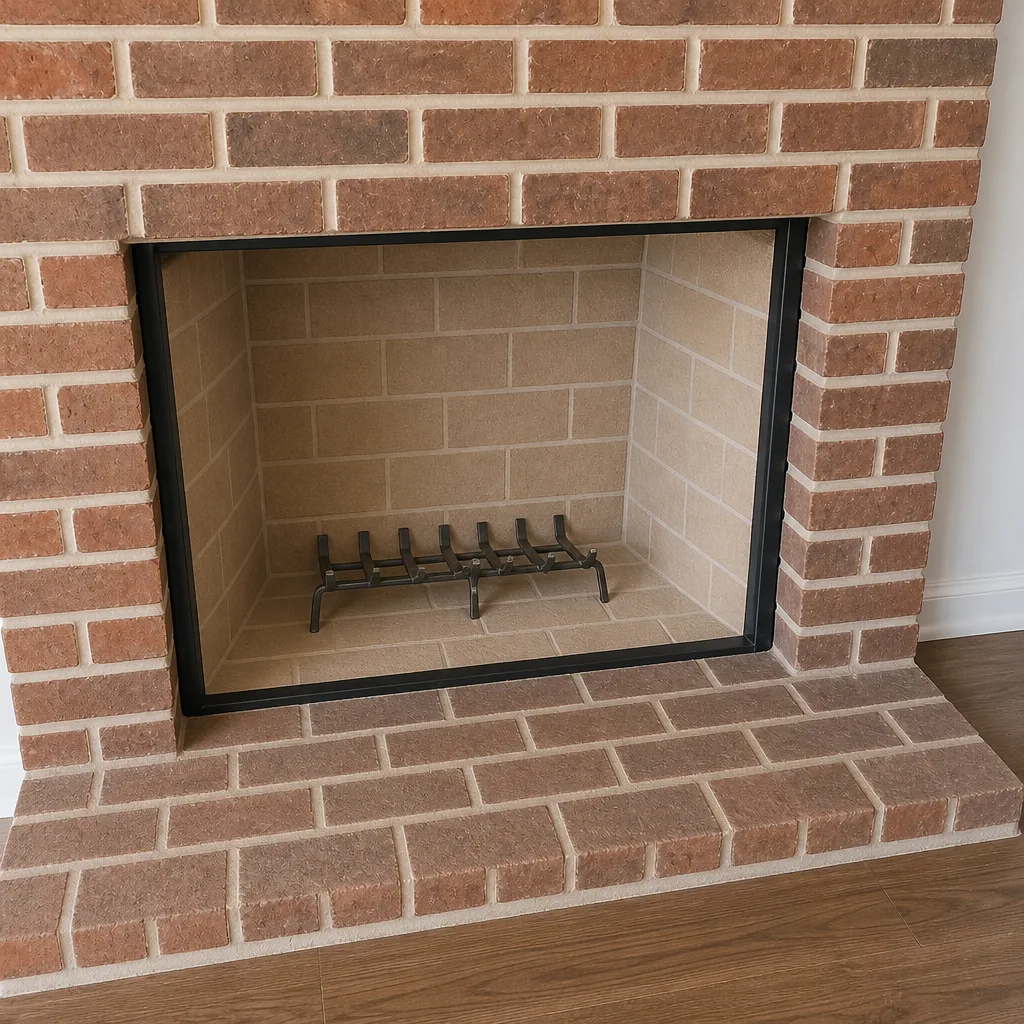
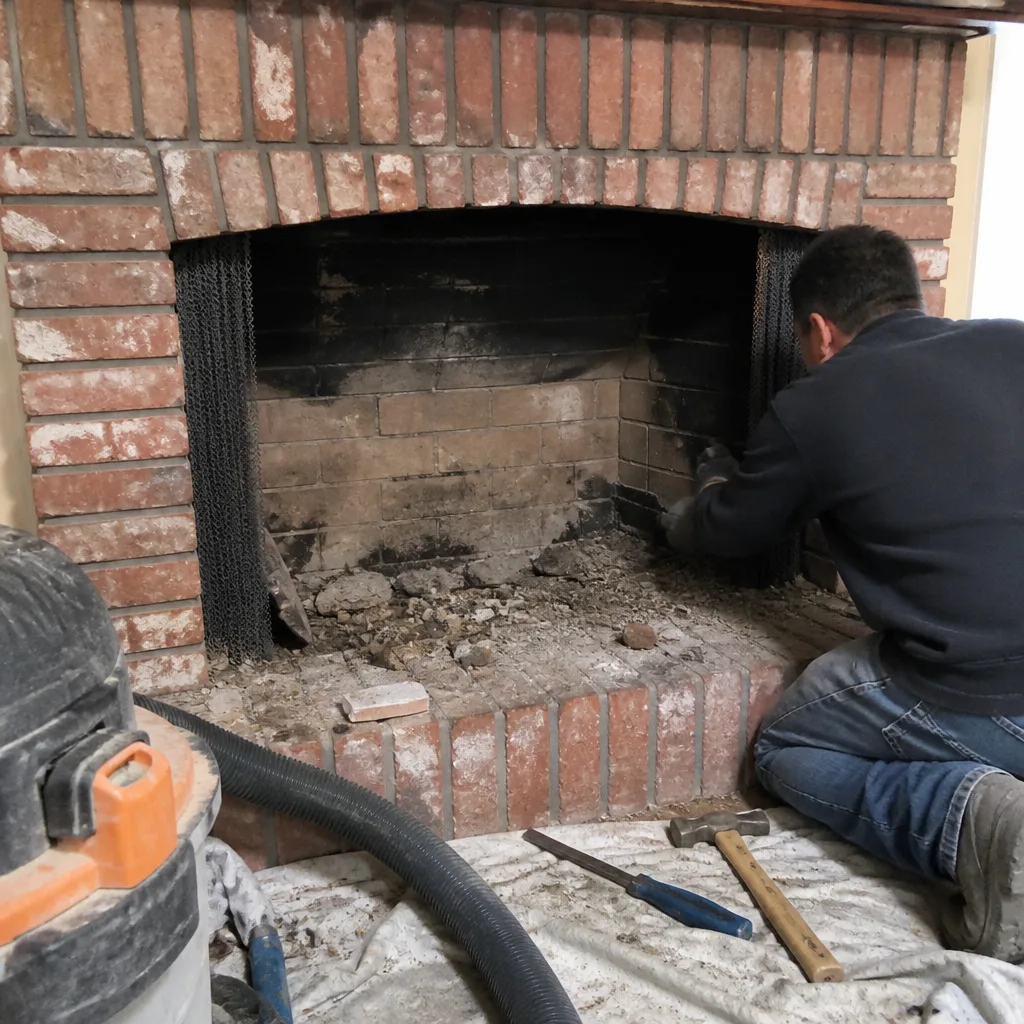
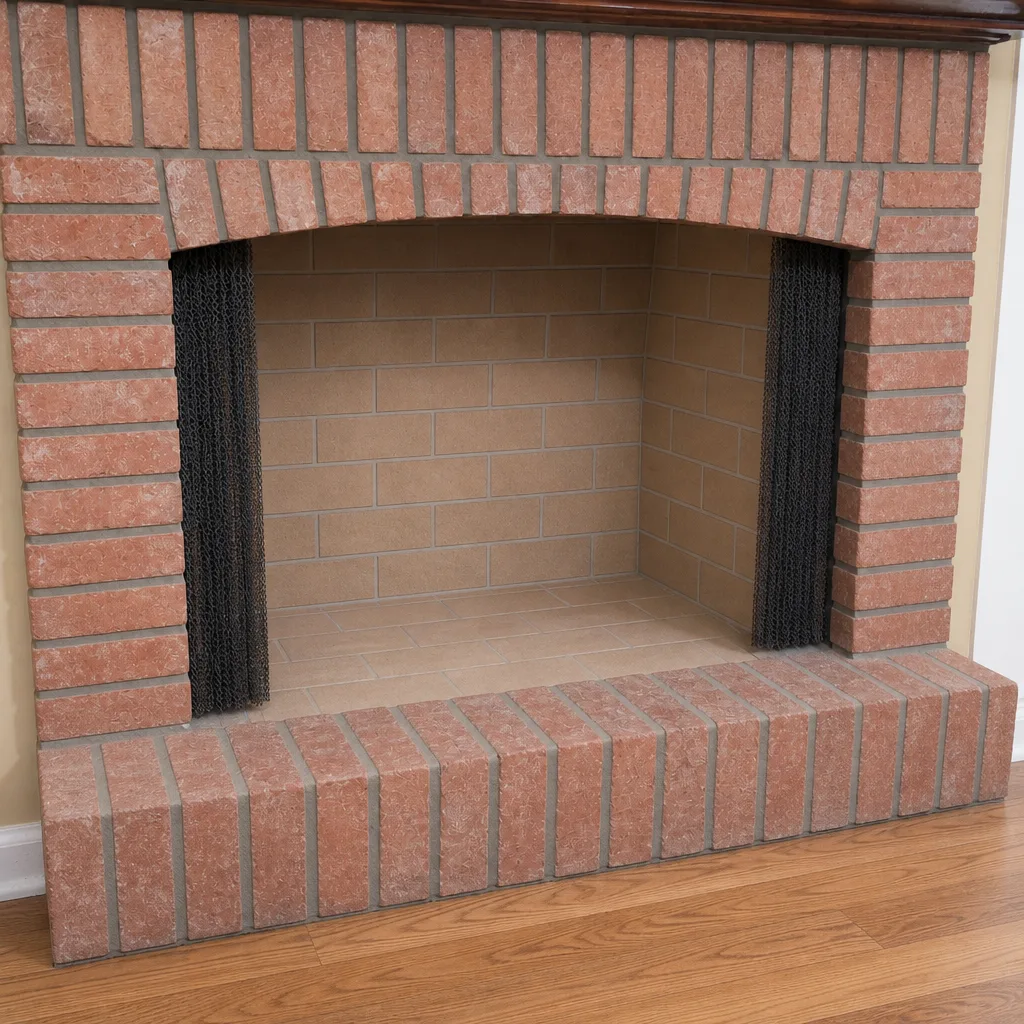
See the difference
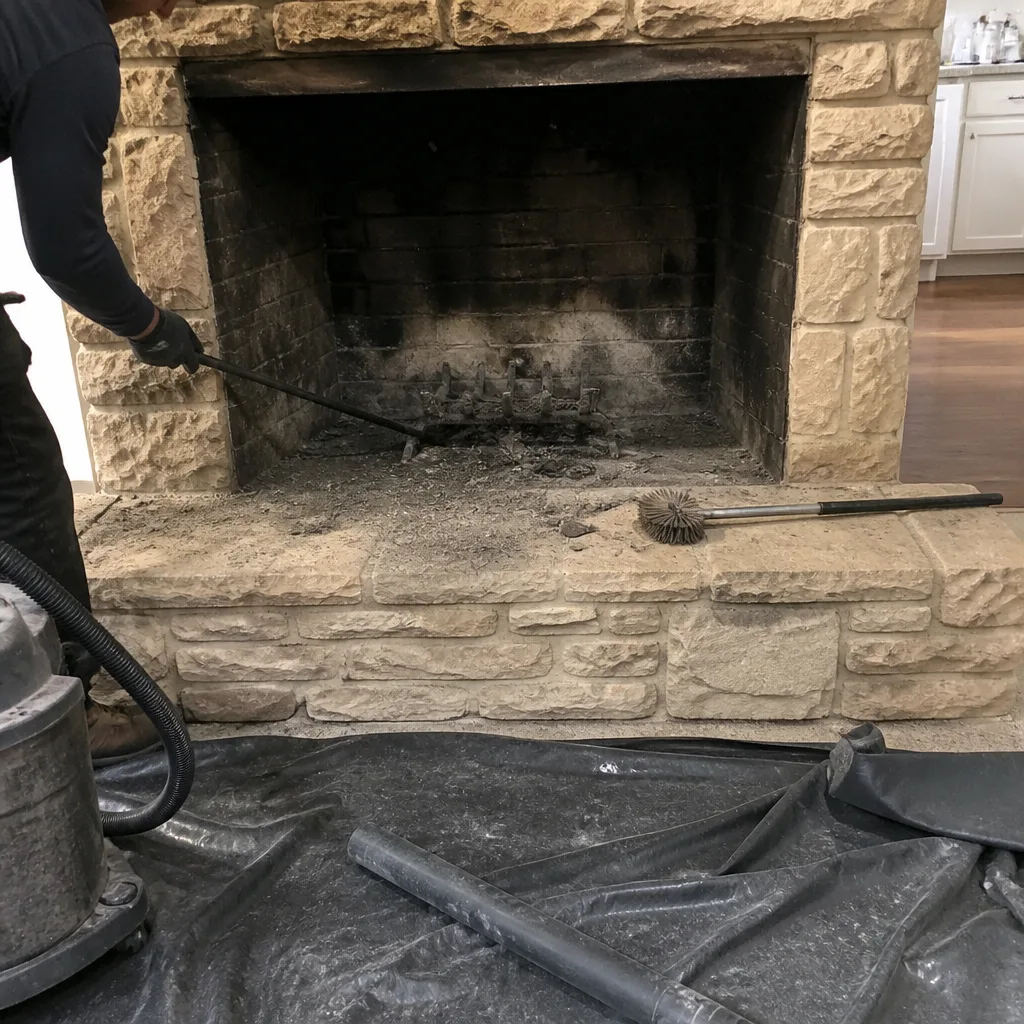 Before
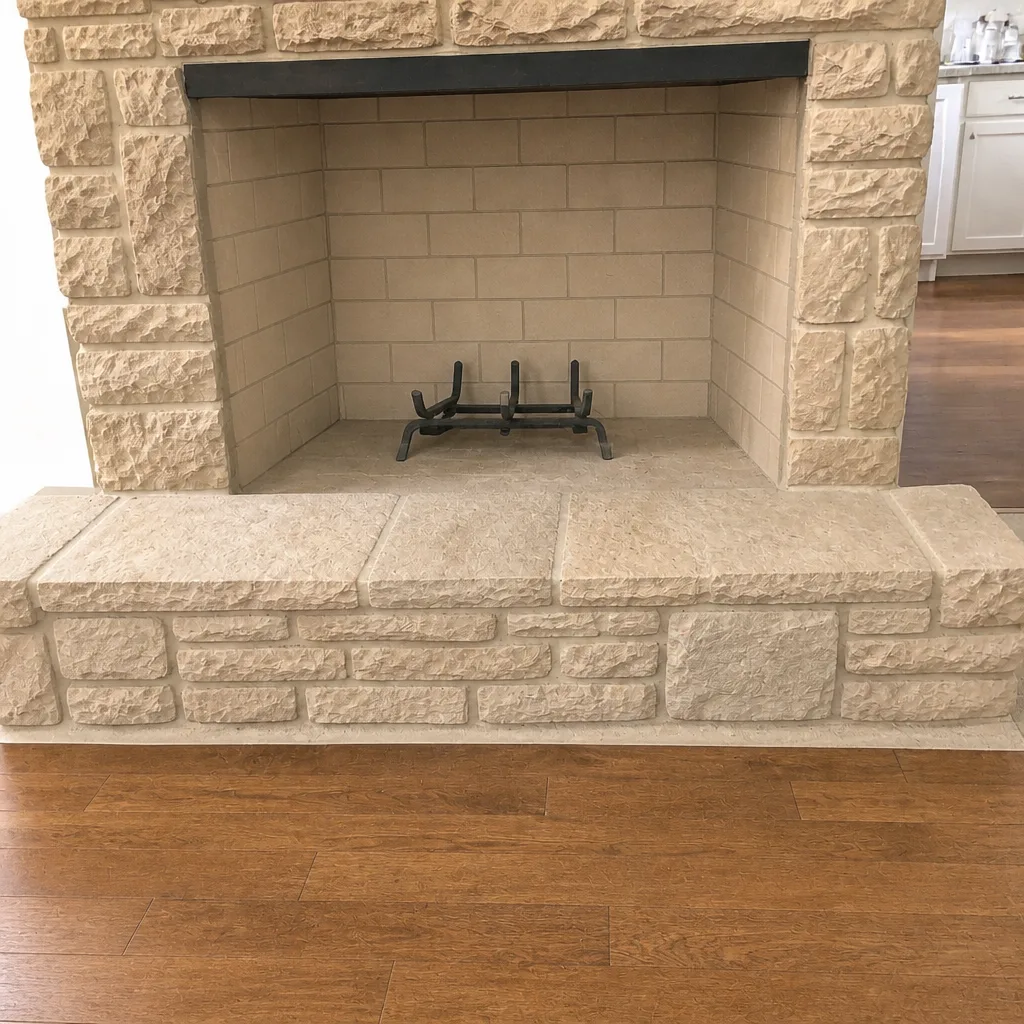 After
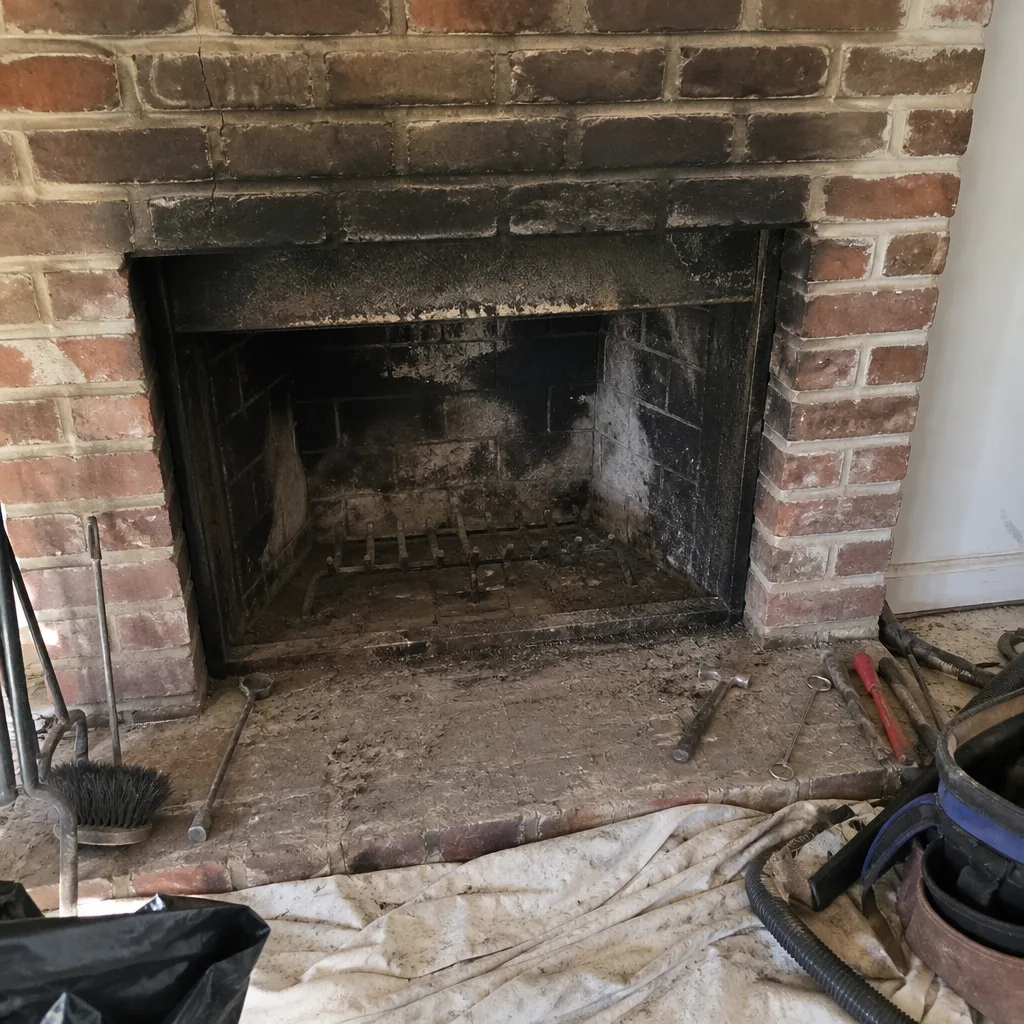 Before
 After
 Before
 After
When to Call a Professional
Some situations are clearly a call for a professional, and in Anaheim Hills we’d rather you call early than late. Call us if you’ve heard roaring or popping from the chimney, if you’ve had a chimney fire and need the damage assessed before you burn again, if your carbon monoxide detector has gone off near the fireplace, or if you’ve had a wind event and your cap, crown, or flashing looks off. Call if your flue hasn’t been inspected in years, if your liner is old and you run a gas insert, or if your fireplace smokes back into the room. For any of these, a proper inspection comes first, and repair follows only if the evidence shows it’s needed. We offer free estimates in Anaheim Hills – call (833) 468-5933. We answer 24/7. Fast dispatch from 7am to 7pm, Sunday through Friday.
Frequently Asked Questions
Once a year for homes that burn wood regularly, ideally before the first fire of the season. Homes that burn only occasionally can go a bit longer between sweeps, but the inspection should still happen annually. Call (833) 468-5933 for an exact quote – estimates are free.
Creosote builds up, and in the worst case it glazes into a hard, flammable layer that can ignite. A skipped year also means a cracked liner, a loose cap, or a failing crown goes unnoticed until it causes a bigger problem. The risk is real but preventable, which is why we check before the season. Call (833) 468-5933 for an exact quote – estimates are free.
Prices vary with the size and condition of the flue and whether any repair work is needed. The written estimate sets the final price, and we confirm it before any work begins. Call (833) 468-5933 for an exact quote – estimates are free.
Not always. If the liner is deteriorated but still sound in structure, HeatShield resurfacing can restore it without a full replacement. A full reline is a last resort, and it should only be recommended when the evidence shows it’s necessary. Call (833) 468-5933 for an exact quote – estimates are free.
Check the cap, crown, flashing, mortar, and flue screen as soon as it’s safe, and get a professional look if anything is loose or displaced. A cap that came loose in the wind should be re-secured or replaced before the next rain. Call (833) 468-5933 for an exact quote – estimates are free.
If you’ve had a fire, a carbon monoxide scare, a wind event, a change in appliance, or it’s simply been more than a year, you need an inspection. A cleaning alone won’t find a cracked liner or a damaged crown. The inspection tells you what’s actually going on before you decide on any repair. Call (833) 468-5933 for an exact quote – estimates are free.
The Bottom Line
Chimney emergencies in Anaheim Hills aren’t random acts. A chimney fire traces back to glazed creosote nobody removed, a carbon monoxide risk traces back to a cracked liner nobody inspected, and a wind-damage repair traces back to a cap or crown nobody checked. Each of those is a gap you can close before the season starts, which is the entire point of preparing instead of reacting. Inspect first, repair right, and address the whole system from the firebox to the crown. That’s the difference between a safe season and a 2 a.m. call. If you want a clear picture of where your chimney stands, start with a fireplace repair and inspection visit and go from there.
Call (833) 468-5933 for a free estimate. We answer 24/7. Fast dispatch from 7am to 7pm, Sunday through Friday. Our technicians have up to 11 years of experience, and we work with professional-grade trade brands like DuraFlex, HeatShield, Famco and Copperfield so your repair uses the right components the first time.
If you’re comparing us to a sweep-only service, ask what they can do when the inspection turns up a failed liner. That’s where the difference shows, and it’s why we handle the five service lines here instead of sending you to a second contractor for the repair side.
Written by the team at Chimney Sweep Anaheim Hills.