
Last updated November 24, 2026
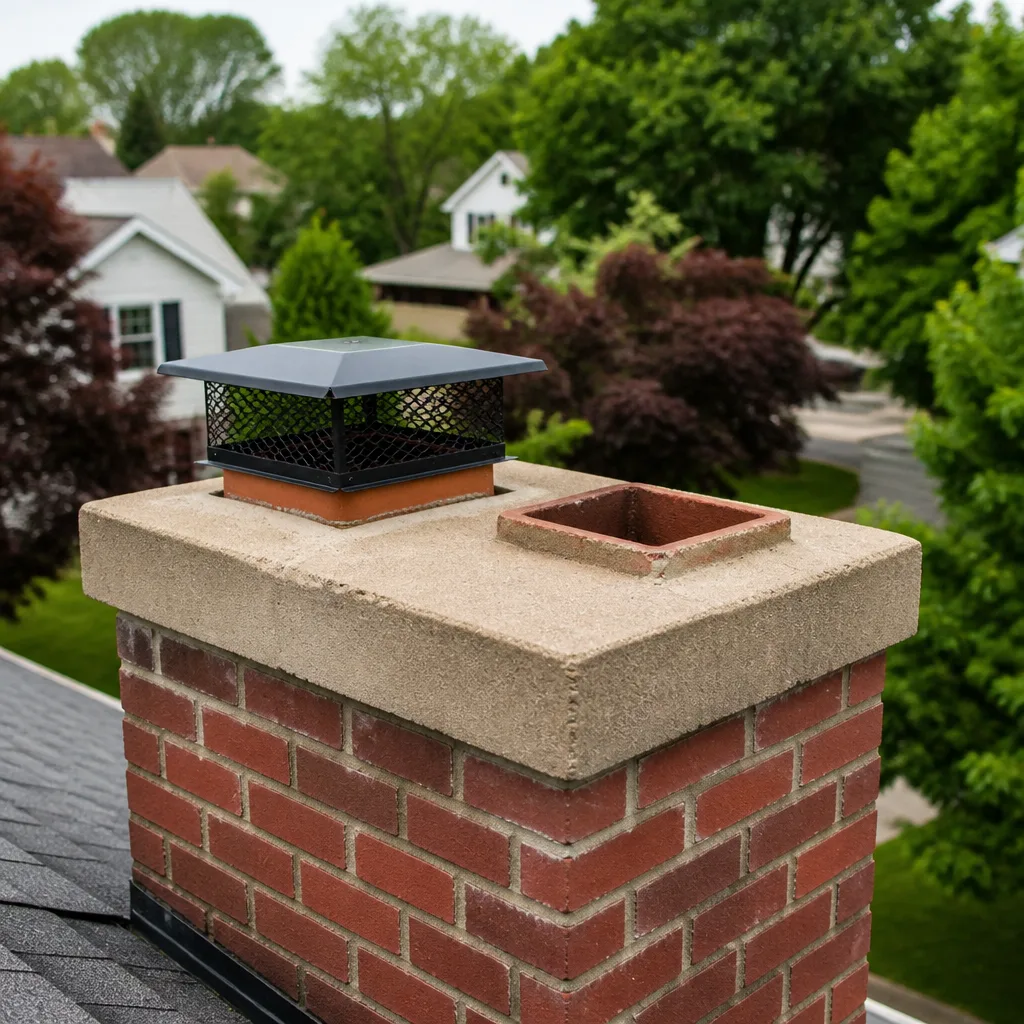 Sweep & inspection
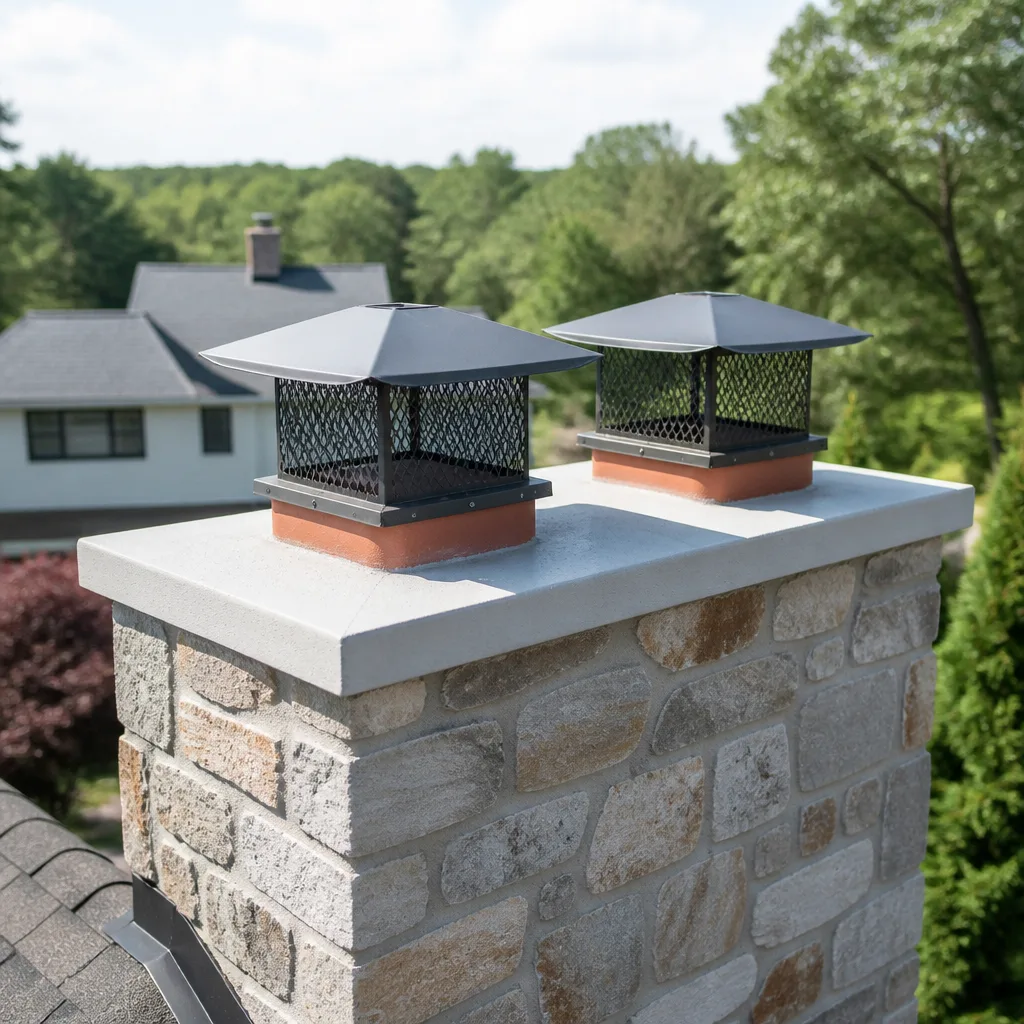 Caps & crowns
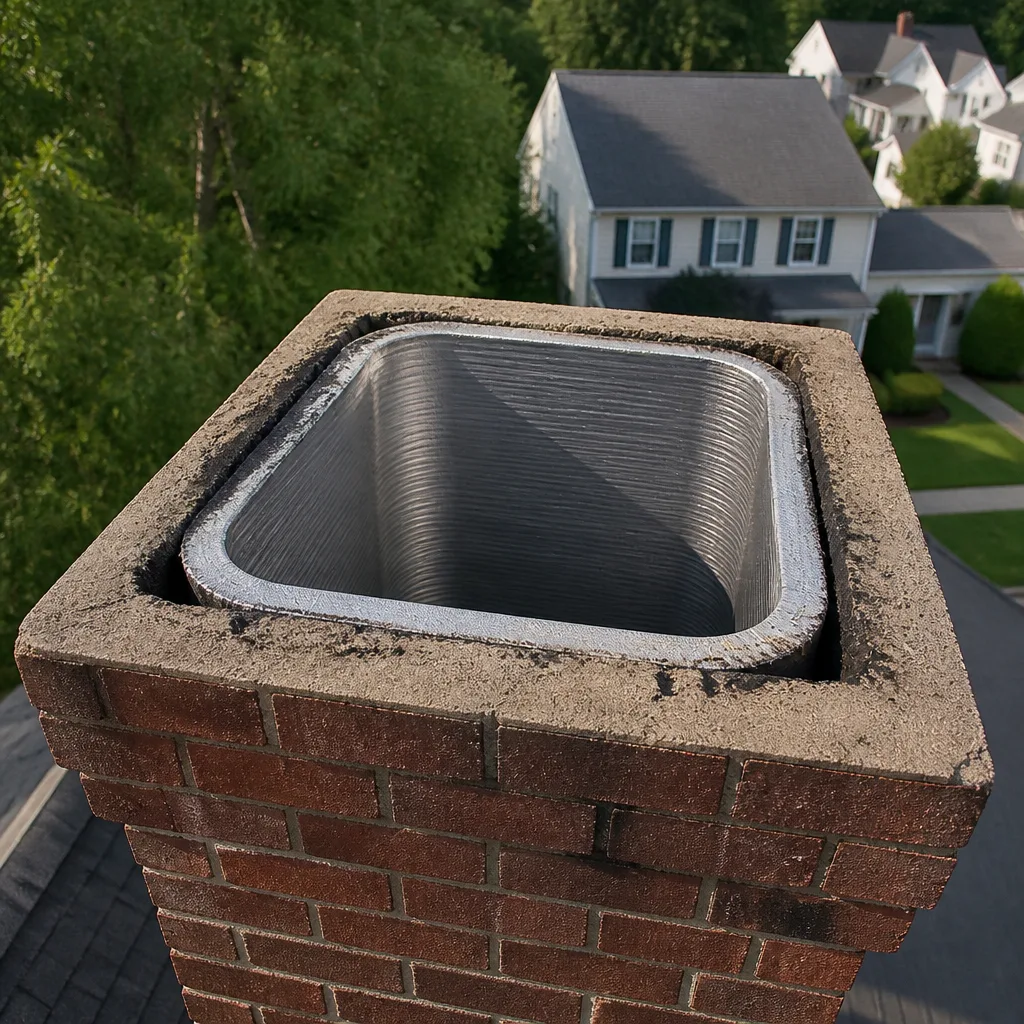 Flue relining
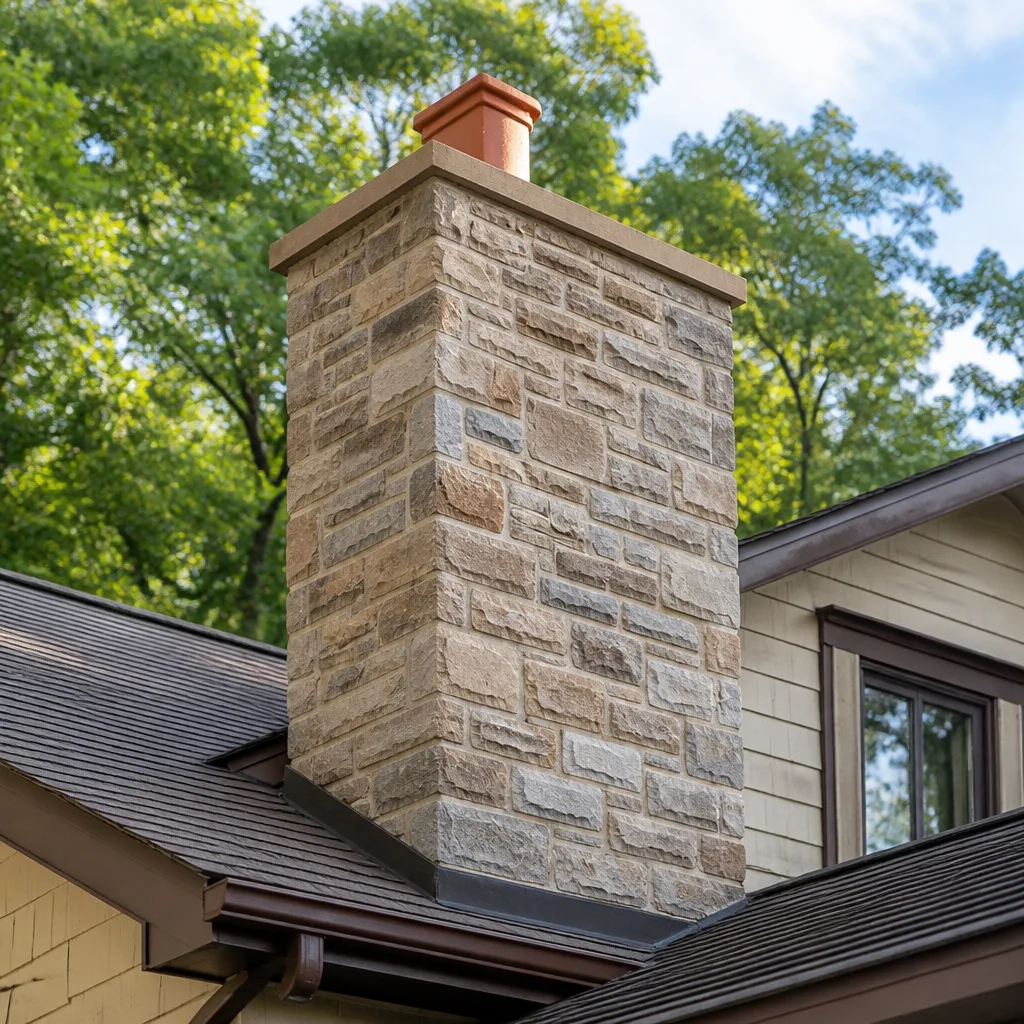 Masonry repair
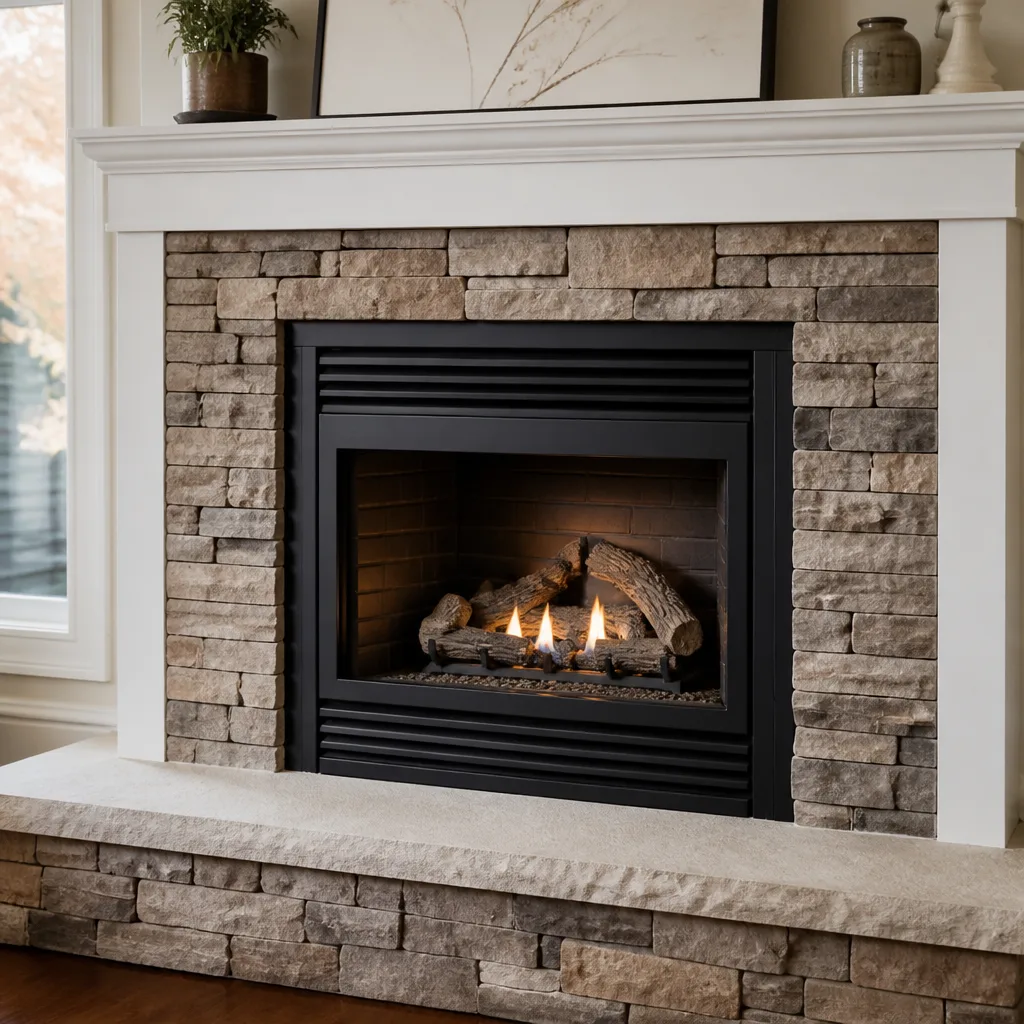 Gas fireplace service
Level 1 sweep and inspection to the NFPA 211 annual standard - flue, crown, cap, and flashing checked and photographed
Chimney sweep logs do not sweep chimneys. They loosen some creosote - which then falls where a brush and vacuum still have to collect it.
Seasonal Chimney Cleaning Care for Anaheim Hills: Year-Round Homeowner’s Guide
In Anaheim Hills, the most damaging thing that happens to a chimney often isn’t a fire. It’s eight months of sitting unused while moisture, pests, and UV work on it uninterrupted. Most chimney advice is written for places with hard freezes and long heating seasons, and it doesn’t fit a climate where the fireplace runs hard for a few months and then goes quiet. This guide lays out the actual care calendar for Anaheim Hills homeowners: when to schedule service, what the dry summer does to clay tile and mortar, why March matters as much as September, and how the marine layer interacts with a lightly used flue. You’ll finish with a month-by-month reference card you can keep.
Quick Answer
Seasonal chimney care in Anaheim Hills runs on two seasons, not four: a short intense heating window from November through February, and a long dormancy from spring through fall. The highest-value service timing is September and October, before first use, so dormancy damage gets caught early and appointments are easier to book. A second important window is March, when closing the fireplace properly prevents the odor and pest problems common in Southern California homes.
Styles & brands we work with
- Sweep & inspection
- Caps & crowns
- Flue relining
- Masonry repair
- Gas fireplace service
Table of Contents
- Why Anaheim Hills Has Two Fireplace Seasons, Not Four
- The Pre-Season Window: September and October
- What Dry Summer Months Do to Clay Tile Liners and Mortar Joints
- Post-Season Care in March: Closing Out the Fireplace
- The Marine Layer, Late-Season Moisture, and Lightly Used Creosote
- The Anaheim Hills Month-by-Month Reference Card
- Why Full-System Care Beats a Once-a-Year Sweep
- Common Mistakes to Avoid
Why Anaheim Hills Has Two Fireplace Seasons, Not Four
Generic chimney guides are built around four seasons because most of the country has them. Anaheim Hills doesn’t. What we have is a compressed heating window from roughly November through February, when the fireplace actually earns its place in the room, followed by a long stretch where it sits cold. That shape changes everything about how you should maintain the system.
During the heating window, the work is about creosote and safe draft. A fireplace used regularly through those months accumulates deposits in the flue, and the rate depends on how hot the fires burn, what’s being burned, and how the damper is managed. That’s the part most homeowners already understand. The part they miss is the dormancy side.
For most of the year in Anaheim Hills, the chimney isn’t dealing with fire at all. It’s dealing with sun, dry air, and the occasional moisture event. Those months are when mortar joints weather, when clay tile liners move with thermal swings, and when small openings become entry points for birds, insects, and water. By the time November arrives, the damage has already happened quietly. A care plan built for a Chicago or Denver winter spends its energy on freeze protection that simply doesn’t apply here. A care plan built for Anaheim Hills spends its energy on the dormancy period, because that’s where the real wear accumulates.
This is why we treat the calendar as two blocks rather than four. September and October prepare the system for use. November through February is the active season. March closes it out properly. April through August is dormancy, and it deserves attention of its own. Once you see the year that way, the timing of every service decision gets clearer.
The Pre-Season Window: September and October
September and October are the highest-value months to schedule chimney service in Anaheim Hills. Scheduling then gives you faster appointments than the November rush, and it catches dormancy damage before the first fire of the season tests it. It’s the single most useful scheduling decision a homeowner makes all year.
Here’s why the timing works. By late summer, the chimney has been through months of heat and dry air. Any hairline cracks in the mortar crown, any loose cap, any gap where the flashing meets the roofline, has had all season to open up. A September inspection finds those while there’s still time to fix them before rain returns. A fireplace that goes into its first fire with a cracked crown or a dislodged cap is a fireplace that lets water in during the first storm of the season.
There’s also a practical side. Once the first cold snap hits, every homeowner in the area thinks about the fireplace at the same time. Appointments get tighter. September and October are quieter, so a full inspection and sweep can be done without the pressure of a season already underway.
What a pre-season visit should include:
- A full inspection of the firebox, damper, smoke chamber, flue, crown, cap, and flashing.
- A camera inspection of the flue, with photos you can see for yourself.
- A sweep if deposits warrant it, based on what the inspection finds rather than a fixed schedule.
- A written report of any deficiencies, with a clear note on what needs attention now and what can safely wait.
If you want to start there, our chimney sweep service is built around inspection first, so nothing is recommended without camera evidence behind it.
What Dry Summer Months Do to Clay Tile Liners and Mortar Joints
The dry summer months in the Anaheim Hills microclimate are hard on clay tile liners and mortar joints. Thermal expansion during hot days and cooler nights works the masonry, UV breaks down sealants and crown materials, and the result is hairline cracking that grows quietly until water finds it. None of this involves fire. All of it affects how safely the fireplace draws when you finally use it.
Three specific things happen over a long dry season:
- Thermal movement. Clay tile liners expand and contract with temperature swings. Over a summer, small gaps can open at the joints between tiles. Those gaps let combustion gases escape the flue rather than travel up and out.
- UV degradation. The crown, the cap, and any sealant at the roofline take direct sun for months. Materials that looked fine in spring can be brittle or cracked by fall.
- Mortar weathering. Mortar joints in the firebox and smoke chamber dry out and can crumble slightly over time, especially where the chimney gets full afternoon sun.
None of this is visible from the living room. The firebox may look intact, the damper may move freely, and the fireplace may seem ready. The evidence is up the flue and on the roof, which is why a camera inspection is the only way to know. This is where HeatShield resurfacing earns its place. When a clay tile liner has deteriorated but isn’t fully failed, resurfacing can restore it without a full-liner replacement, which is a repair path most sweep-only companies can’t offer. When a liner is beyond resurfacing, DuraFlex flexible liner installation handles the full reline.
If you’ve noticed crumbling mortar around the firebox or draft that seems weaker than it used to be, that’s worth a look before the season starts. Our fireplace repair service covers the firebox side of the system, and the inspection tells you which component is actually the problem.
Post-Season Care in March: Closing Out the Fireplace
March is the second important service window in Anaheim Hills, and it’s the one most homeowners skip. Closing out the fireplace properly at the end of the heating season prevents the specific odor and pest problems that are common in Southern California homes. A fireplace that’s simply abandoned in spring becomes a problem by summer.
When a fireplace stops being used, three things happen. Ash left in the firebox holds moisture and odor. An open damper lets warm air, insects, and the occasional bird move freely between the flue and the living space. And a cap that’s loose or damaged lets water in during the late-season moisture events that can arrive in January and February, or the occasional spring storm. Each of these is preventable with a short close-out routine.
A proper March close-out involves:
- Remove ash from the firebox and dispose of it safely.
- Check the cap and crown for winter damage and confirm the cap is secure and the screen intact.
- Confirm the damper closes fully and seals against the flue.
- Note any odor, draft, or staining noticed during the season for the next inspection.
The cap and crown check is where we see the most value in a March visit. A cap that’s been loosened by wind or by an animal is a direct path for water and pests. Our chimney cap & crown work uses Gelco and Famco components, which are manufacturer-grade caps rather than generic hardware-store covers installed as an afterthought. A cap that fits and seals properly is the single best defense the chimney has during dormancy.
If you’d rather not climb up to check the cap yourself, this is a reasonable reason to book a March visit. It’s also a good time to ask whether anything found in the inspection can wait until fall, so you’re not paying for work that isn’t urgent.
The Marine Layer, Late-Season Moisture, and Lightly Used Creosote
Late-season moisture events in January and February interact with creosote in a specific way in Anaheim Hills fireplaces, because most of them are only used 10 to 15 times in a season. A lightly used fireplace builds a thin, uneven layer of creosote rather than a heavy, uniform one, and that thin layer can be more reactive to moisture than a thick deposit.
Here’s what that means in practice. A fireplace that runs every night for months builds up creosote in a predictable pattern, and the deposits tend to be drier and more stable. A fireplace that runs a dozen times over a season builds deposits in patches, sometimes with soot mixed in, and those patches can absorb moisture from the air during a damp stretch. When the marine layer pushes inland or a late-season storm arrives, the chimney can hold that moisture longer than you’d expect. The result is often an odor in the living space that shows up on damp days, well after the fireplace has gone cold for the season.
This is why a lightly used Anaheim Hills fireplace still benefits from an inspection. The deposits may be thin, but they’re uneven, and the moisture interaction is real. A camera inspection shows exactly what’s in the flue and whether the thin layer is doing any harm. In most cases it’s a cleaning matter, not a repair matter, but the inspection is what tells you which.
There’s a related point about draft. A fireplace used only a dozen times a season never really settles into a stable draft pattern, so the first fire of the next season can smoke or feel sluggish. That’s usually a sign the flue needs a clean or the cap screen is partly blocked, not a sign the chimney is failing. It’s worth knowing the difference before you assume the worst.
The Anaheim Hills Month-by-Month Reference Card
Generic “fall and spring” chimney advice doesn’t fit Anaheim Hills, so here’s a reference card built for the actual local calendar. Keep it somewhere you’ll see it before the season starts.
- January and February (active season, late moisture). Watch for odor on damp days and note any draft changes. If a late-season storm is forecast, confirm the cap is secure. No service needed unless something changes.
- March (close-out window). Book a close-out visit: ash removal, cap and crown check, damper seal check, and a note of anything to address in fall. This is the second-highest-value service timing of the year.
- April and May (early dormancy). Confirm the damper is closed and the firebox is clean. This is when pest entry is most likely if the cap screen is compromised.
- June, July, and August (peak dormancy). The chimney takes full sun and dry heat. No action needed, but this is when thermal movement and UV degradation progress. If you noticed anything in spring, now is a good time to schedule an inspection so it’s resolved before fall.
- September (pre-season, highest value). Book a full inspection with camera, sweep if warranted, and a written report. This is the best month to catch dormancy damage before first use.
- October (pre-season, second best). Complete any repairs identified in September. Confirm the cap, crown, and flashing are ready for the season.
- November and December (active season). Use the fireplace. Note any draft or odor issues for the March close-out.
That’s the whole year in one list. The two months that matter most are September and March, and the entire rest of the calendar is either active use or dormancy. If you only book two visits a year, those are the two.
Why Full-System Care Beats a Once-a-Year Sweep
A once-a-year sweep treats the chimney as a single component. Full-system care treats it as a system, from the firebox to the crown, and that distinction matters most in a climate where dormancy does so much of the damage. A sweep cleans the flue. It doesn’t tell you whether the crown is cracked, whether the cap is still sealing, whether the liner has hairline gaps, or whether the damper closes properly. Those are the things that fail during the Anaheim Hills dormancy period, and they’re the things a sweep-only visit won’t catch.
We handle five service lines under one roof: sweep, inspection, cap and crown, chimney repair, and fireplace repair. That means one contractor, every component, from the firebox to the crown. When an inspection finds a deteriorated liner, the same visit can scope a HeatShield resurfacing or a DuraFlex reline without sending you to a second specialist. When it finds a damaged cap, the replacement uses Gelco or Famco components rather than a generic cover. When it finds firebox mortar failing, that’s handled on the fireplace side.
The materials matter as much as the scope. We work with professional-grade trade brands on every job: DuraFlex, HeatShield, Gelco, Olympia Chimney, Famco, and Copperfield. These are the same supply lines used by commercial chimney contractors, and they’re chosen because they hold up. A generic cap from a hardware store is not the same product as a manufacturer-grade cap, and the difference shows up in how long it lasts through a long, sunny dormancy period.
If you’ve been patching together a sweep from one company, a cap from another, and a repair from a third, this is the alternative. Inspect first, repair right, and keep the whole system with one contractor who can see every component at once.
Common Mistakes to Avoid
- Following a four-season guide in a two-season climate. Advice written for hard-freeze winters spends your effort on protection you don’t need and skips the dormancy care you do. Anaheim Hills chimneys need September and March attention, not a winterization checklist.
- Skipping the March close-out. A fireplace abandoned in spring is a fireplace that smells by summer and invites pests through a loose cap. The close-out is short and it prevents the most common Southern California chimney complaints.
- Assuming a lightly used fireplace doesn’t need inspection. A fireplace used 10 to 15 times a season still builds uneven creosote, and the dormancy period still works on the liner and mortar. Light use is not the same as no wear.
- Replacing a liner that could be resurfaced. A deteriorated clay tile liner doesn’t always need a full reline. HeatShield resurfacing restores many liners at a fraction of the cost of replacement, and a sweep-only company often can’t offer it.
- Installing a generic hardware-store cap. A cap that doesn’t seal properly is worse than no cap in some cases, because it traps moisture. Manufacturer-grade Gelco and Famco caps are built for the job.
- Waiting for the November rush. Booking in September gets faster appointments and catches dormancy damage before first use. Waiting until the first cold snap means competing with everyone else in Anaheim Hills for the same calendar.
- Treating the inspection report as a sales pitch. A proper inspection comes with camera photos you can see for yourself, and a clear statement of what can safely wait. If a report recommends thousands of dollars of work with no visual evidence, ask for the photos.
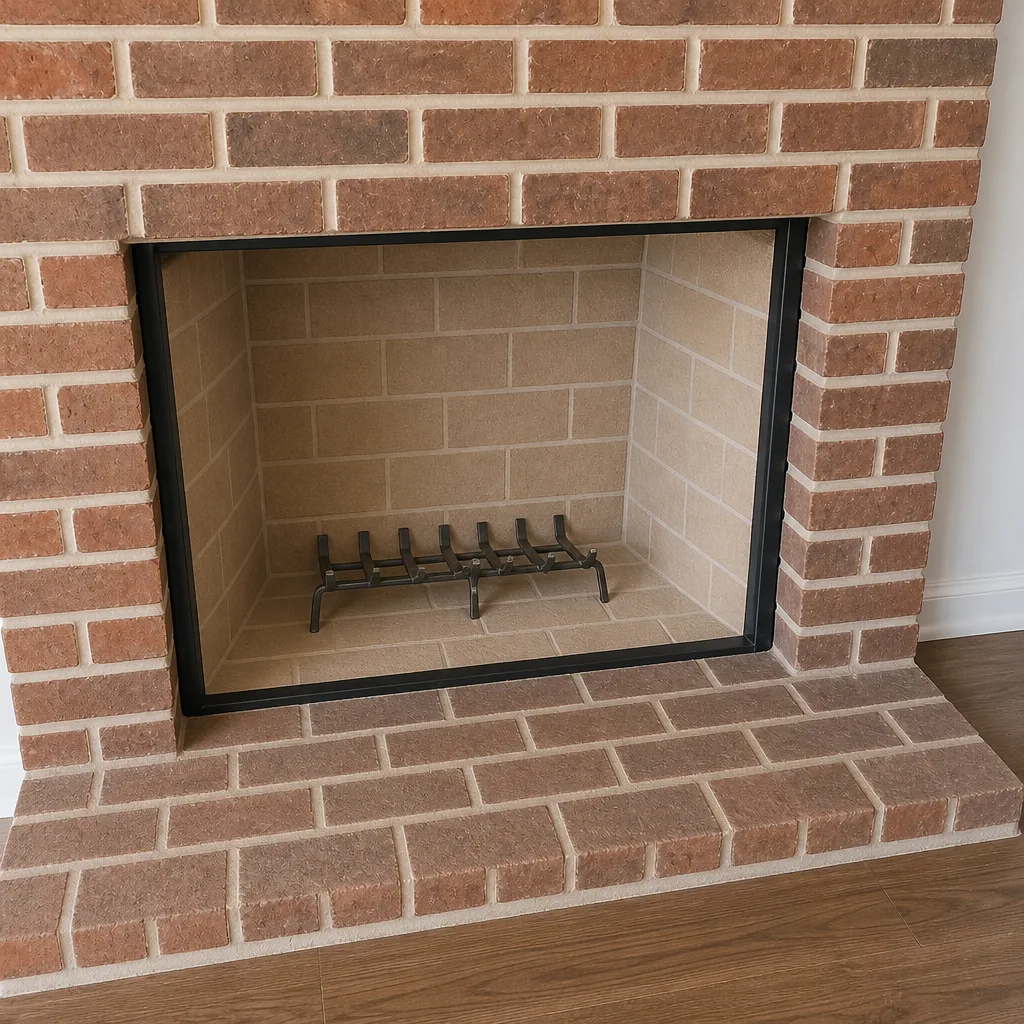
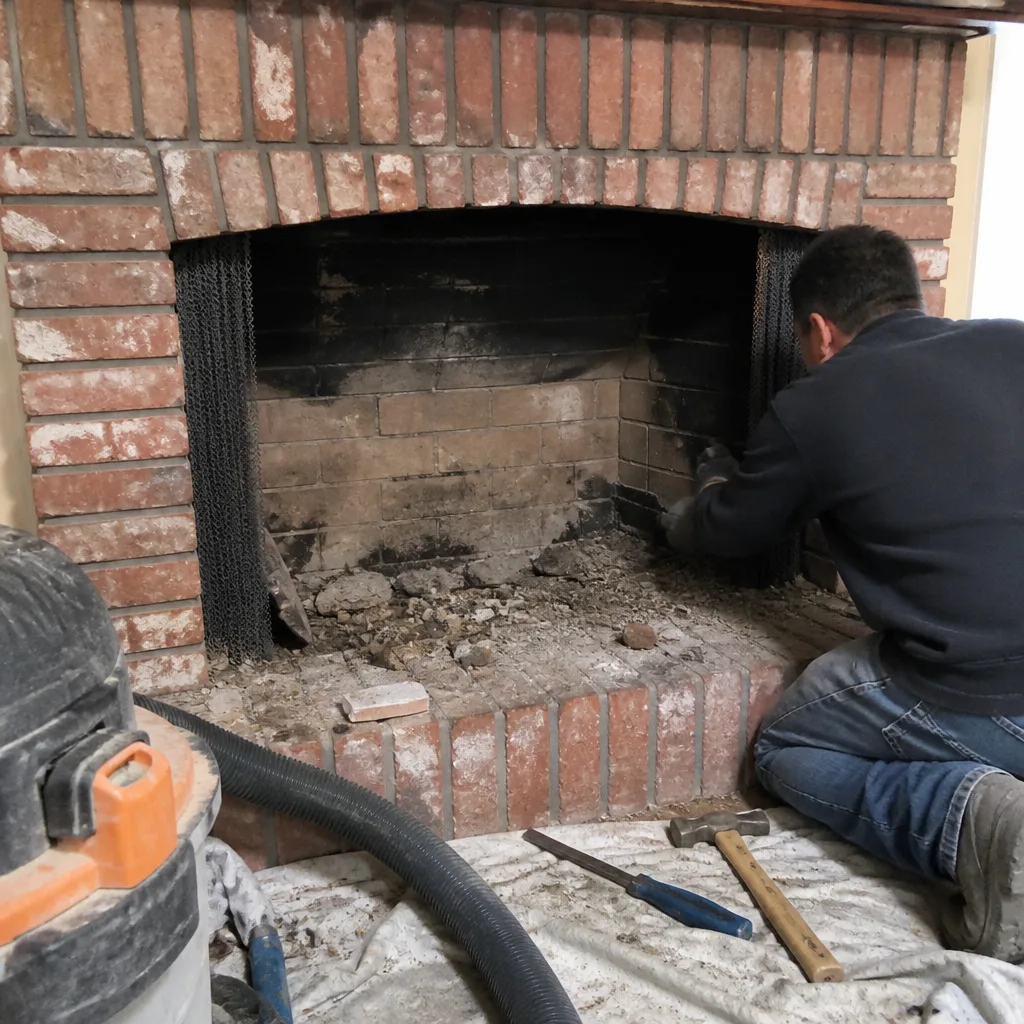
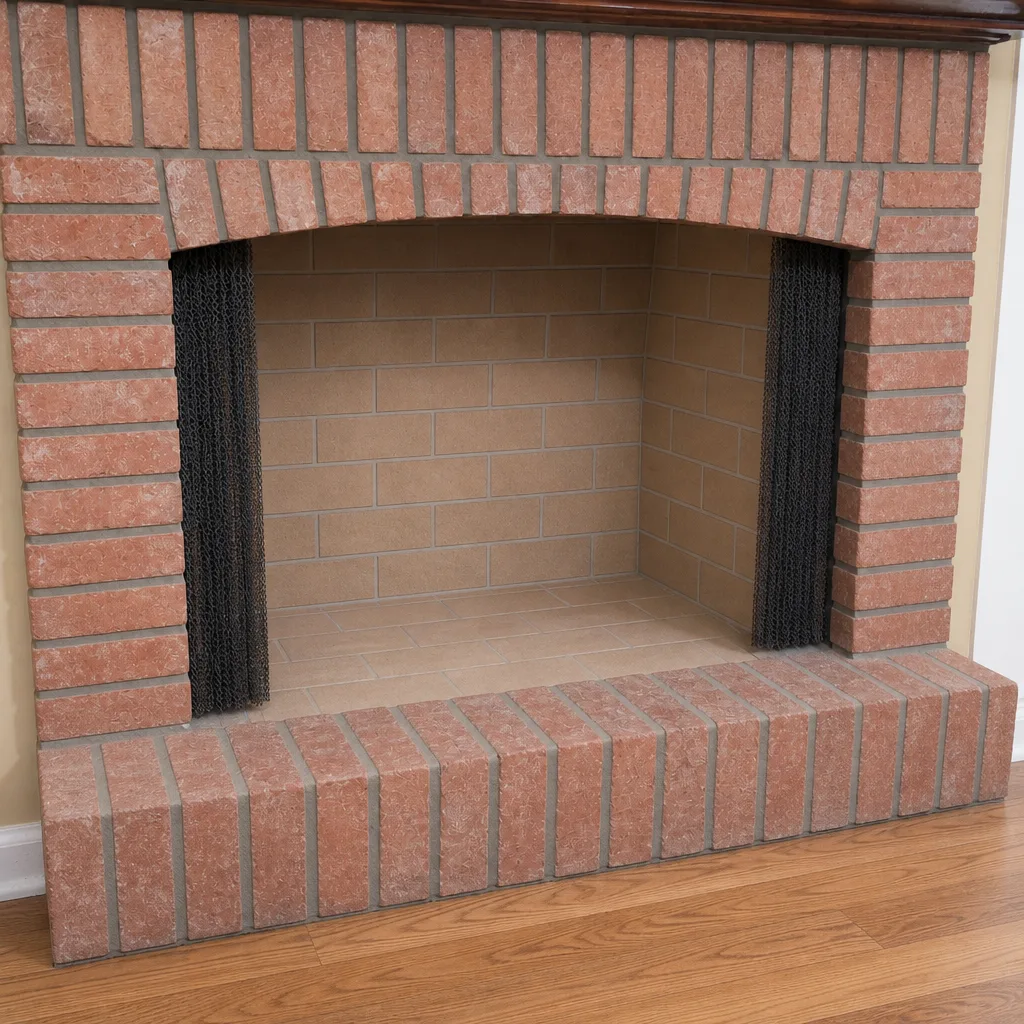
See the difference
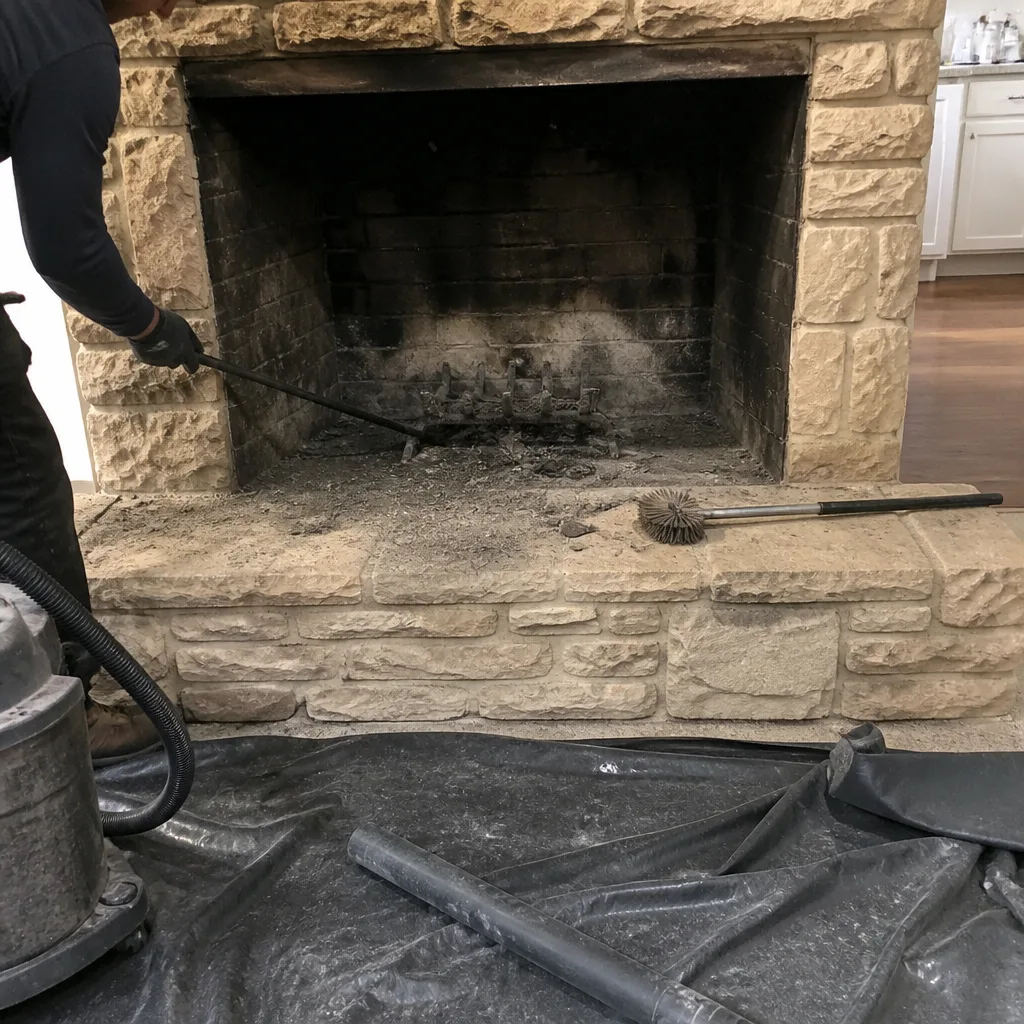 Before
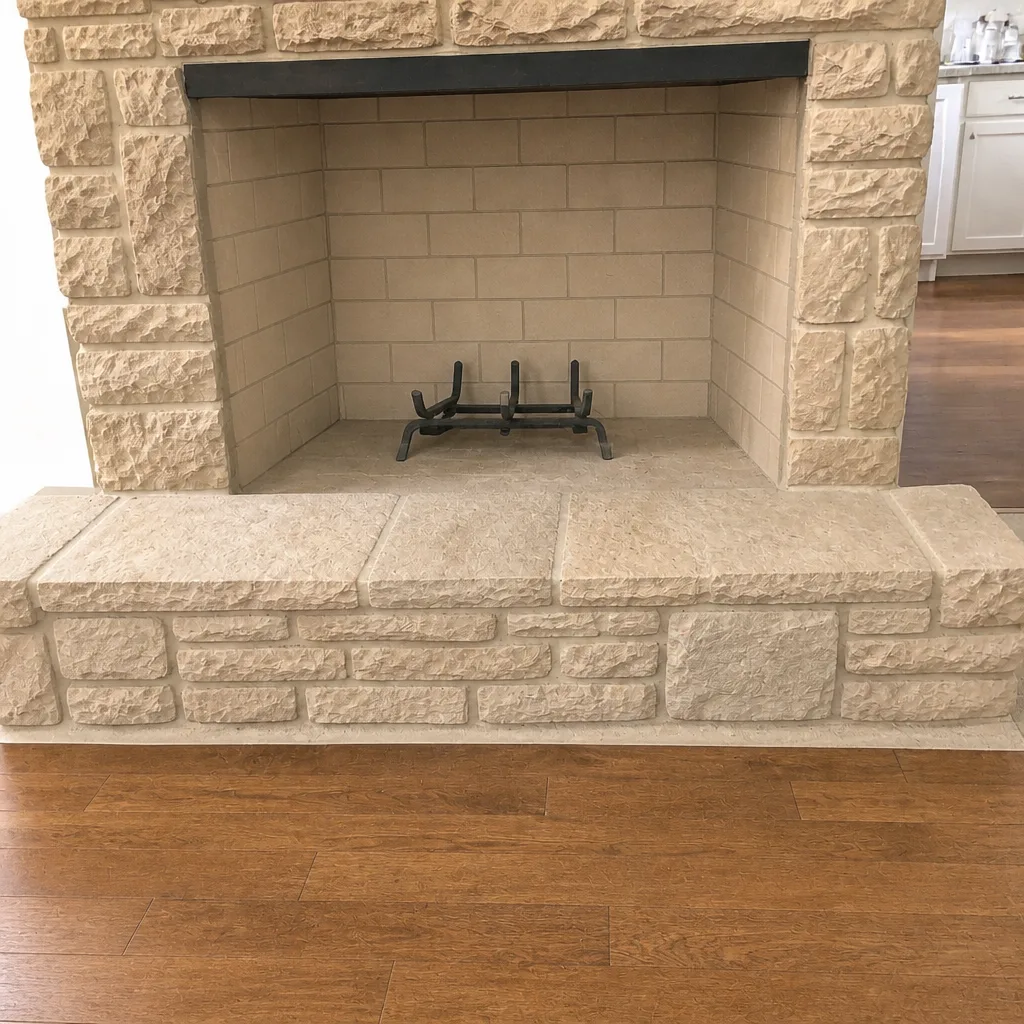 After
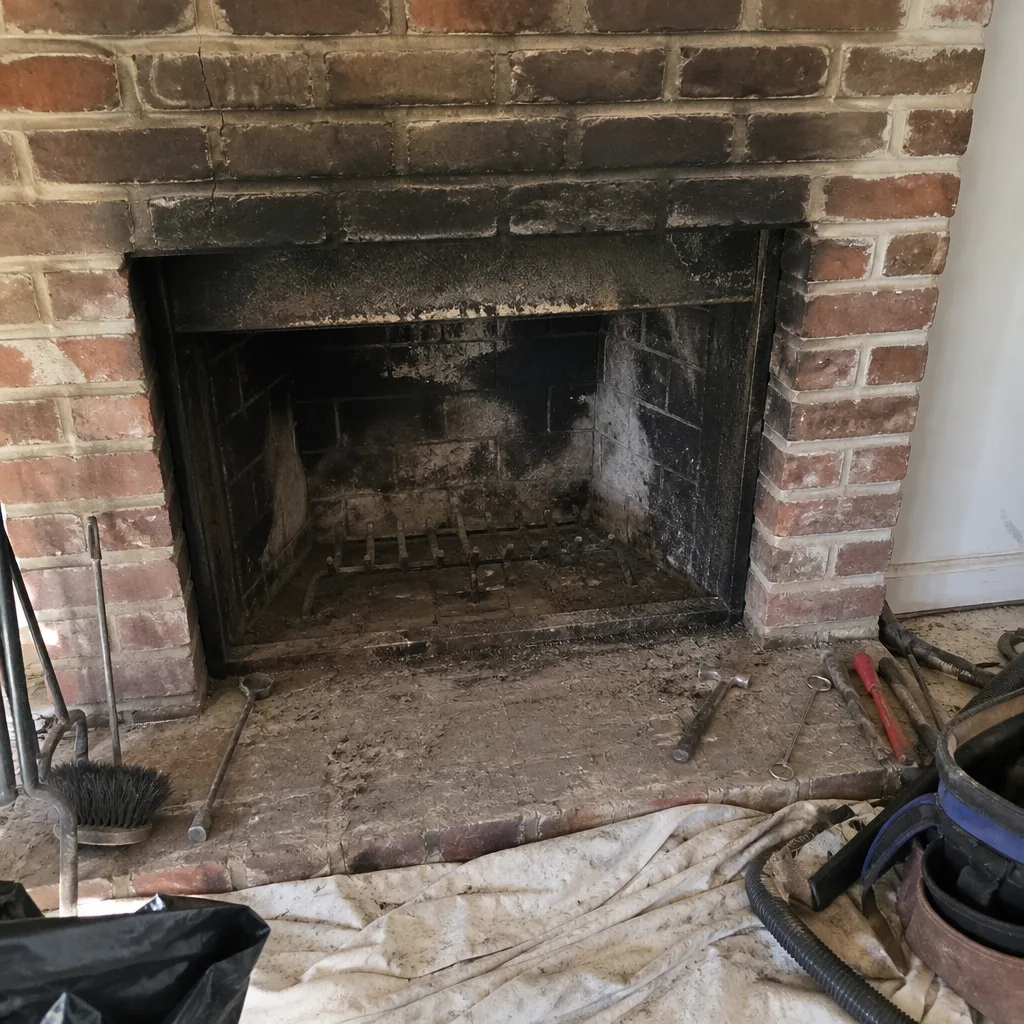 Before
 After
 Before
 After
When to Call a Professional
Some chimney issues are obvious and some aren’t, and the ones that aren’t are the reason to call. Call a professional if you smell a strong odor from the fireplace on damp days, if smoke rolls into the room rather than up the flue, if you see crumbling mortar in the firebox, if the damper won’t close fully, or if you can’t remember the last time the flue was inspected with a camera. Call before the season starts if you’ve never had the chimney looked at, and call in March if you used the fireplace through the winter and want it closed out properly. Any of these is a reasonable reason to book an inspection, and the inspection is what tells you whether you’re looking at a cleaning matter or a repair. Chimney Sweep Anaheim Hills offers free estimates in Anaheim Hills. Call (833) 468-5933. We answer 24/7. Fast dispatch from 7am to 7pm, Sunday through Friday.
How Much Does Seasonal Chimney Care Cost in Anaheim Hills?
Seasonal chimney care in Anaheim Hills is priced per job, based on a written estimate, so there’s no single number that fits every home. A pre-season inspection with camera and a sweep if warranted is one job. A March close-out with a cap check is another. A liner resurfacing or reline is a separate scope. The written estimate sets the final price, and the estimate is free.
What typically drives the estimate up or down:
- The condition the inspection finds, not a fixed schedule.
- Whether the liner needs cleaning only, resurfacing, or a full reline.
- Whether the cap, crown, or flashing needs repair or replacement.
- Access to the roof and the flue, which varies by home.
We don’t recommend anything without camera evidence you can see, and we say plainly when work can safely wait. That’s the answer to the most common hesitation: you shouldn’t have to take a repair recommendation on faith. Call (833) 468-5933 for an exact quote. Estimates are free.
Frequently Asked Questions
A chimney in Anaheim Hills should be inspected once a year and swept when the inspection shows deposits warrant it. Because most local fireplaces are used 10 to 15 times a season, many homes don’t need a sweep every year, but they do benefit from an annual inspection. The inspection is what tells you whether a sweep is needed, so book the inspection first and let the camera evidence guide the rest. Call (833) 468-5933 for an exact quote. Estimates are free.
September and October are the best months to schedule chimney service in Anaheim Hills. Booking then gets faster appointments than the November rush and catches dormancy damage before the first fire of the season. March is the second-best window, because closing out the fireplace properly prevents the odor and pest problems common in Southern California homes. Call (833) 468-5933 for an exact quote. Estimates are free.
Not every deteriorated liner needs a full replacement. HeatShield resurfacing can restore many clay tile liners that have cracked or deteriorated but haven’t fully failed, which avoids the cost of a full-liner job. A camera inspection is the only way to know which path applies to your chimney. When resurfacing won’t hold, DuraFlex flexible liner installation handles the full reline. Call (833) 468-5933 for an exact quote. Estimates are free.
Skipping seasonal care lets dormancy damage accumulate quietly. A cracked crown or loose cap lets water in, a cracked liner lets combustion gases escape the flue, and an open damper lets pests and moisture move between the flue and the living space. None of it announces itself until the fireplace is used again. An inspection in September catches it before first use. Call (833) 468-5933 for an exact quote. Estimates are free.
A fireplace smells on damp days when moisture interacts with creosote and soot left in the flue, and when an open or poorly sealed damper lets that air into the living space. The marine layer and late-season moisture events in January and February make this more noticeable in lightly used fireplaces, because the creosote layer is thin and uneven. A March close-out with ash removal and a damper seal check usually resolves it. Call (833) 468-5933 for an exact quote. Estimates are free.
Yes. A cap and crown check can be done on its own, and it’s often the most useful March visit in Anaheim Hills. The cap and crown are what defend the chimney during dormancy, so a loose cap, a cracked crown, or a failed screen is worth catching before summer. Replacement uses Gelco and Famco components. Call (833) 468-5933 for an exact quote. Estimates are free.
The Bottom Line
Anaheim Hills chimney care comes down to two dates on the calendar. Book an inspection in September or October, before the heating season starts, so dormancy damage is caught before it matters. Book a close-out in March, after the season ends, so the fireplace doesn’t sit through summer with ash, an open damper, or a loose cap. The rest of the year is either active use or dormancy, and both are predictable. Full-system care from one contractor, using professional-grade materials like HeatShield and DuraFlex where they apply, means you’re not patching together a sweep, a cap, and a repair from three different companies. Inspect first, repair right, and keep the whole system in view.
Contact
If you’re ready to put the Anaheim Hills seasonal calendar to work, call (833) 468-5933 for a free estimate. We answer 24/7. Fast dispatch from 7am to 7pm, Sunday through Friday. We’ll inspect first, show you the camera evidence, and tell you plainly what needs attention now and what can safely wait.
Written by the team at Chimney Sweep Anaheim Hills.